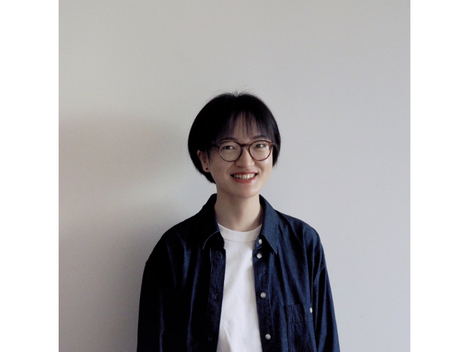
Tianyu Jiang (they/she) is a postdoctoral researcher at the Department of Music Sociology at the University of Music and Performing Arts Vienna (mdw). They received a PhD in 2025 through the interdisciplinary structured doctoral programme “Music Matters” at mdw, with a dissertation examining Shanghai’s underground queer and women-centered electronic dance music scene. Their research interests include electronic dance music culture, digital culture, urban space and place, and time-based media. Alongside academic research, Tianyu is a writer and film critic, with texts published in Talking Shorts and yanco magazine.
This dissertation presents an ethnography of the recent queer and women-centered underground electronic dance music scene in Shanghai. Through iterative engagement with digital ethnography and on-site fieldwork, I identify the concept of “the elusive dancefloor,” which encapsulates the specificity of the city’s underground electronic music scene being dynamic yet transient. This elusiveness, partially resulting from processes of translating and glocalizing the electronic dance music scenes in Europe and the US, presents both stimulating opportunities and distinct challenges for queer and women-identifying practitioners and partygoers. Over the course of the research, three main case studies were examined: the queer collective and electronic dance music label Medusa, the queer women and non-binary partygoers-oriented club collective HTTP, and the all-Asian feminist electronic music label Scandal. Additionally, the study includes an analysis of queer and women-centered club nights that emerged spontaneously during the research period. Three key analytical themes—club space, musical performance, and sociality—are the focal points for exploring various dimensions of the elusive dancefloor. Using “elusiveness” as an analytical lens, I investigate topics such as the positionality of different venues in the queer and women-centered electronic music scene, the distinctive decorative strategies employed by party collectives to materialize their agenda, the gendering processes within the “xini” musical performances, experiences of (un)belonging during queer club nights, and the negotiations and compromises involved in organizing queer and feminist electronic music events. The thematic discussion reveals that, while Shanghai’s underground electronic dance music scene often embodies a sense of emancipation and liberation, echoing the PLUR-ethos (Peace, Love, Unity, Respect) of the late twentieth-century European rave scene, such manifestation can be shaped and manipulated through textual discourse, artifacts, and performative gestures. Meanwhile, it can also be contested and disrupted through lived experiences. Positioned within an interdisciplinary framework bridging music sociology, cultural studies, and urban studies, the dissertation provides a nuanced perspective on contemporary cultural practices in urban China that moves beyond the confines of area studies; in doing so, it offers critical insights into the interwoven relationship between queer and feminist electronic musical practices in urban China and the broader situated social-political times.
Supervisory Core Team: Rosa Reitsamer, Dagmar Abfalter, Andrea Glauser