Inspiring Encounters in the Far North
Our Four-Day Erasmus+ Staff Mobility to Oslo
At the invitation of Ståle Tvete Vollan, director of the Communication Department at the Norges musikkhøgskole (NMH), my colleagues, Barbara Stieber and Seraina Brugger, and I travelled to Oslo in October 2025 to exchange ideas about the work processes and structures, technical systems and infrastructures, and current developments in the communication departments of our respective universities. Barbara and Ståle’s extremely productive collaboration that was already in progress as part of IN.TUNE made the beginning of our visit easier.
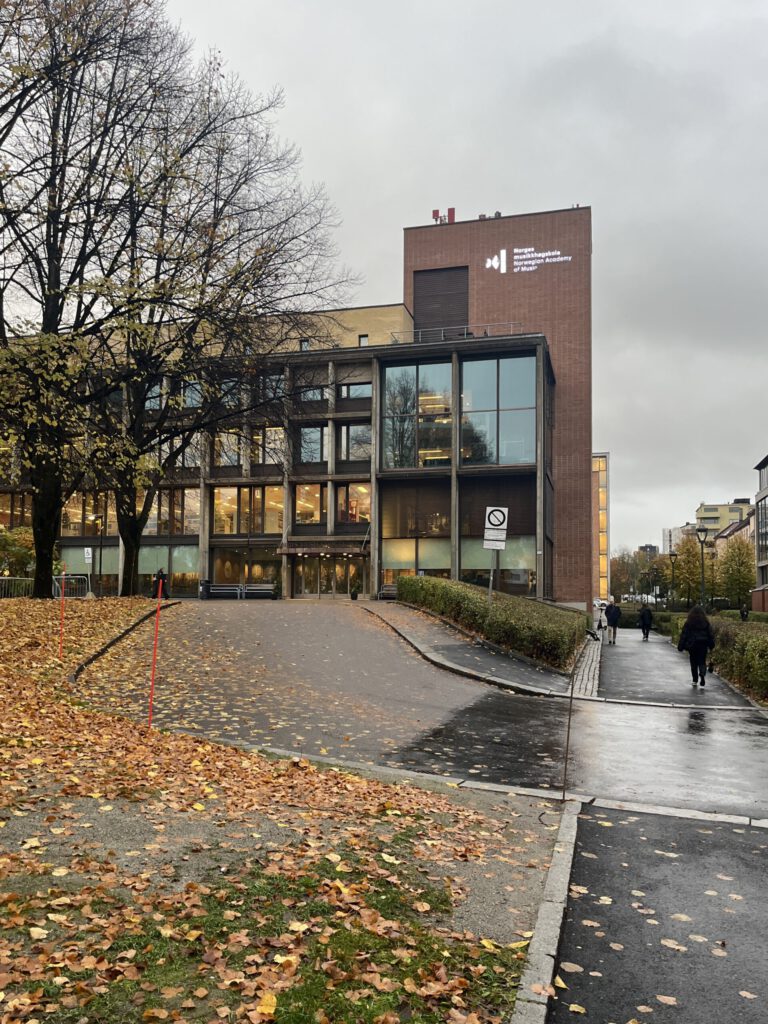
The only negative aspect of our stay should be mentioned at the outset: Within a period of only four days, we experienced everything from light rain to brief but heavy showers. It was unfortunately of no help that our Norwegian colleagues raved about the Northern Lights that could be seen only a few days before in the clear skies above Oslo. Nevertheless, the city greeted us upon our arrival with beautiful autumn colours that gave us a completely unique perspective on the city. In autumn, the Norwegian capital—despite grey skies—possesses a homey atmosphere that we often referred to as “cosy”. The windows of the many shops, cafés with cinnamon swirls, and other delicacies, spacious parks, impressive façades, and narrow streets winding their way over small hills through the town all make for a cosy and inviting cityscape. The NMH fits in with this overall impression. Only a few minutes’ walk from our hotel, situated in the Bogstadveien shopping street and near the Majorstuen underground station, one enters the forecourt and marvels at the brick building with a large glass front. This structure fits in perfectly with the surrounding buildings and with its colours once again underscores the fundamental autumn atmosphere of our journey.
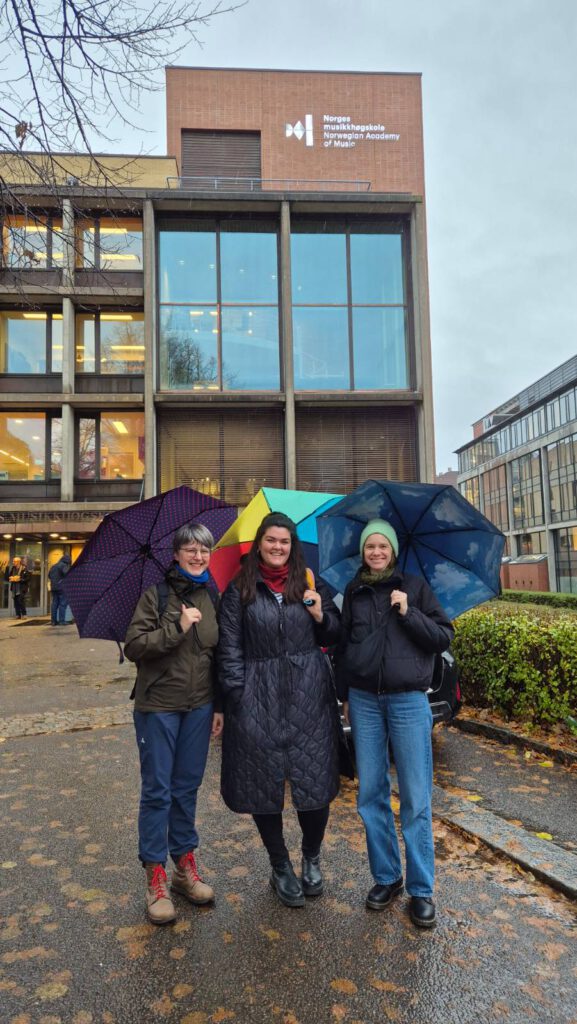
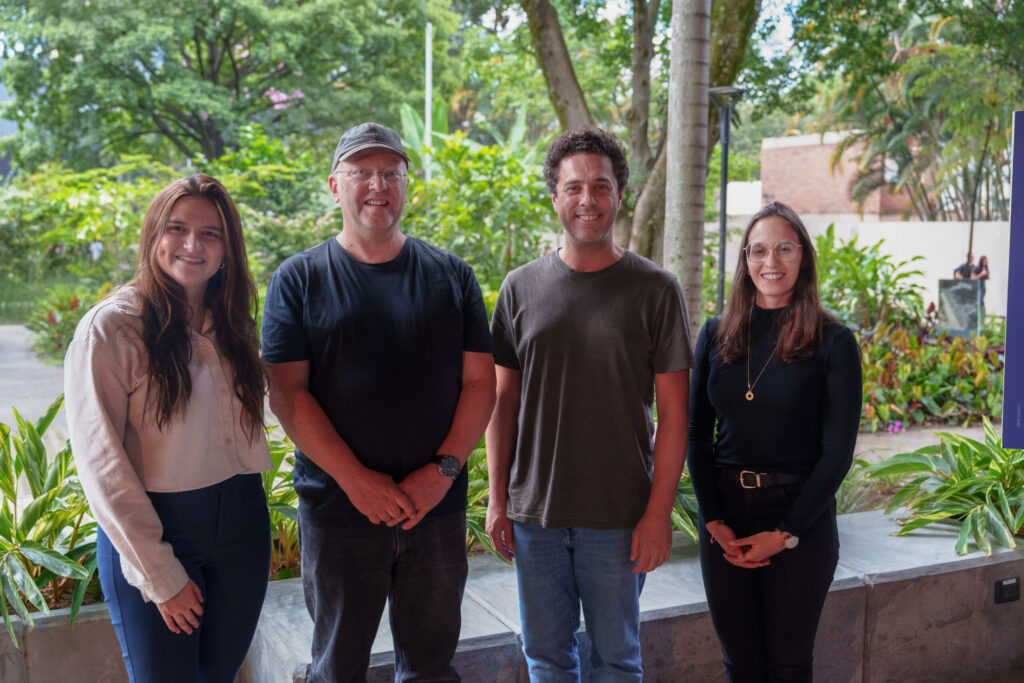
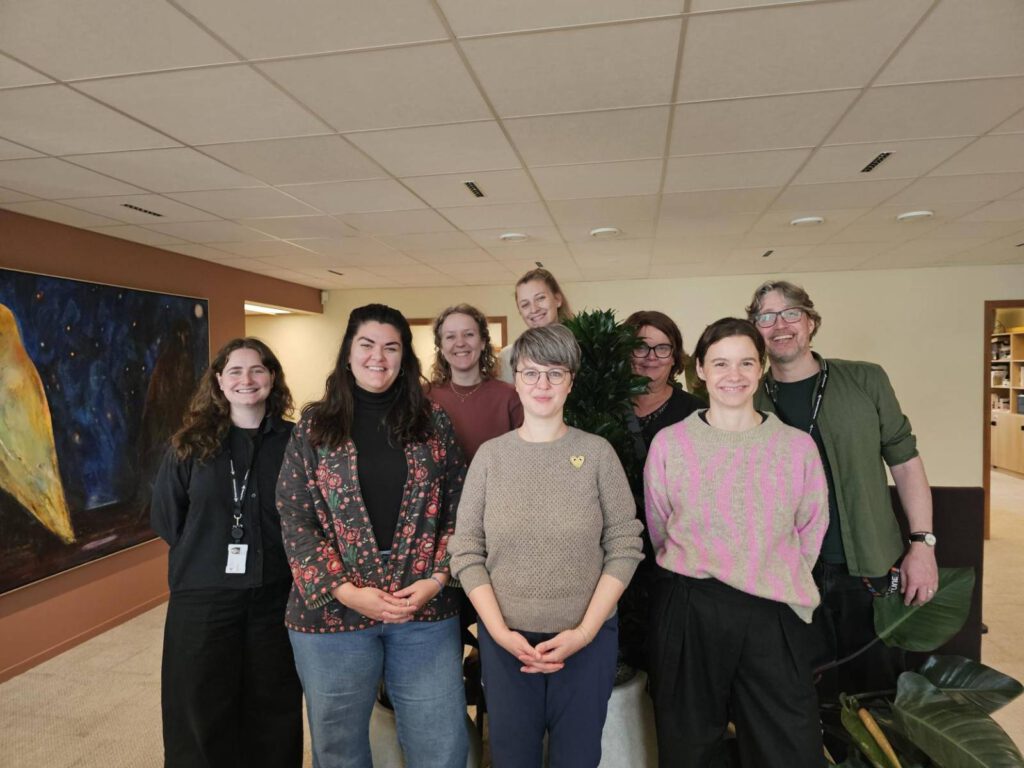
We felt comfortable right from the time we entered the building on the very first day. Everyone we encountered—whether it was students or university staff—was friendly and interested. Our hosts—the team of the Communication Department of the NMH: Erika Bruun, Ingrid Holst Sollie, Karina Krokaa, Marte Fillan, and Ståle—greeted us in their open office spaces on the first upper level. After a brief welcome and introductions, Karina and Ståle showed us around the spacious and university building with its winding hallways. The countless rooms, including practice rooms for the students, the large Lindemansalen concert hall, and the university’s own church/organ hall, made a lasting impression on us. The inviting office-space office of the administration, painted warm berry-like colours, should also be mentioned. Most of the offices of the individual departments do without doors as well, which additionally underscored the open way were always treated by the Norwegians during our stay.

Before our journey, we had hoped for a stimulating exchange with our colleagues in Oslo, but what they prepared for us exceeded all our expectations. In individual sessions, each working area was extensively described by the respective responsible colleague, and our questions were answered. In this way, we could gain a comprehensive overview of their working methods and in the following discussions were able to give our Norwegian partners insights into the administrative structures of the mdw as well.
In order to delve into the subject of AI, on our first day we attended the symposium Machines – moving – music. A symposium on creative responses to AI in the Levinsalen, which was being held during our visit, and listened to Jennifer Walshe’s lecture 13 Ways of Looking at AI, Art & Music, which opened up new perspectives on artificial intelligence. Another highlight of our stay was a short lecture with musical accompaniment by Are Sandbakken, an instructor in the Strings and Harp Department of the NMH, who introduced us to the world of “rubato” and the “rubato revolution”, taught us about the fundamental importance of music and language, and presented his insights with great passion. Particularly interesting for us was his description of the life and work of Edvard Grieg. The Norwegian composer and pianist is known in Austria as well, of course, but Are was able to vividly illustrate his importance for the music history of Norway.
To conclude our intense but very enriching first day at the NMH, we had dinner together in the city’s Grünerløkka neighbourhood, where we enjoyed personal conversation over outstanding food and in a cosy atmosphere.
Our second day started with a comprehensive overview of the content production of the NMH, various tools for optimising the website, and insights into the scholarly communication of our Norwegian partner university—from the website and internal and external communication to social media and the utilisation of AI tools and new technologies for improving work processes. These subject areas, presented in only two days, showed us new possibilities, supplied us with input and ideas, and made possible a valuable, lasting exchange.
Despite a busy schedule and additional IN.TUNE meetings for Barbara during our stay, we still had the opportunity to explore Oslo a bit. Oslo’s Kampen neighbourhood, Frogner Park with its Vigeland sculpture park, and the Deichman Bjørvika, one of Europe’s most modern libraries, showed us the city from another perspective. But what impressed us most was the imposing form of the opera house in the shape of an ice floe, situated directly on the water, and equipped with a huge walkable roof, which made an unforgettable impression on us by day with its smooth white façade of Carrara marble, and by night with its many lights and glass walls.


The bureaucratic work necessary for an Erasmus+ Staff Mobility of only a few days should not be underestimated, and we had a number of questions while filling out all the forms. But the work was more than worth it. With the tremendous support of our colleagues from the Center for Further Education/Erasmus STT, who always had an open ear for us, we were able to master all the paperwork as well. Fundamentally, IN.TUNE opens new opportunities for forging international connections, expanding networks, and deepening partnerships. Thanks to the already-established connection to the NMH and the outstanding cooperation within the Alliance, the international exchange and especially the initial contact with a partner university was made even easier. To anyone interested in such a mobility, we can only recommend shedding your fear of bureaucratic obstacles, utilising existing connections to partner universities—as part of IN.TUNE, for example—filling out all the forms, and then enjoying inspiring days with colleagues and returning to your own workplace with new experiences.
We, in any case, will long draw on our Norwegian “adventure” in Oslo.
More impressions of Oslo:
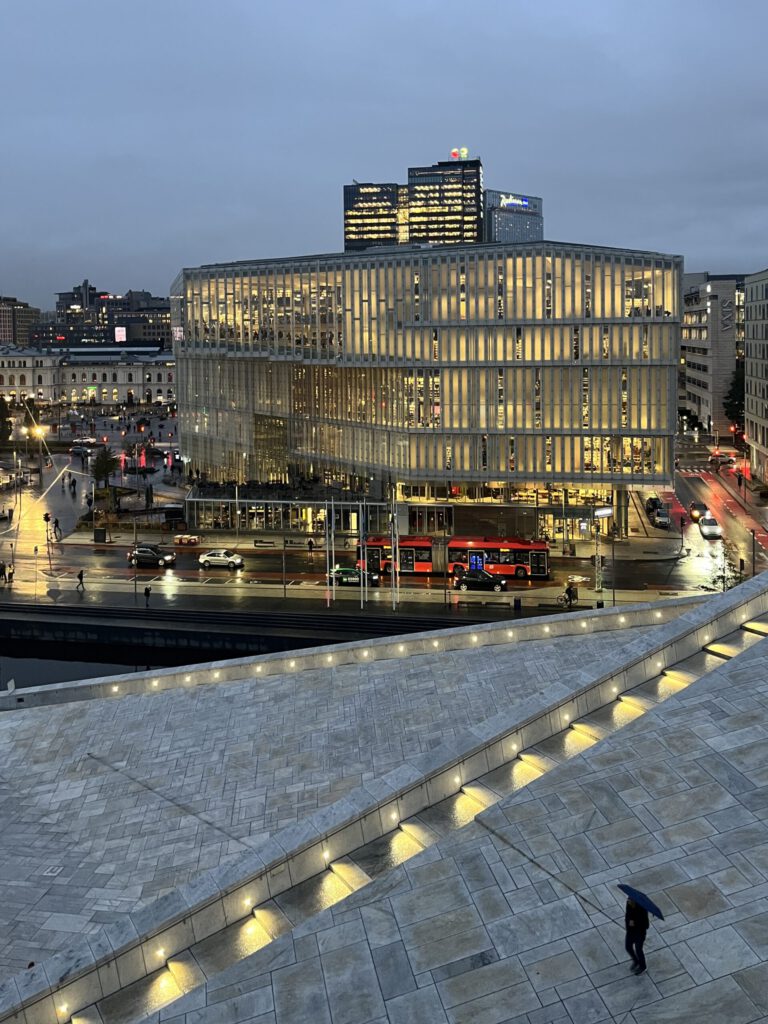
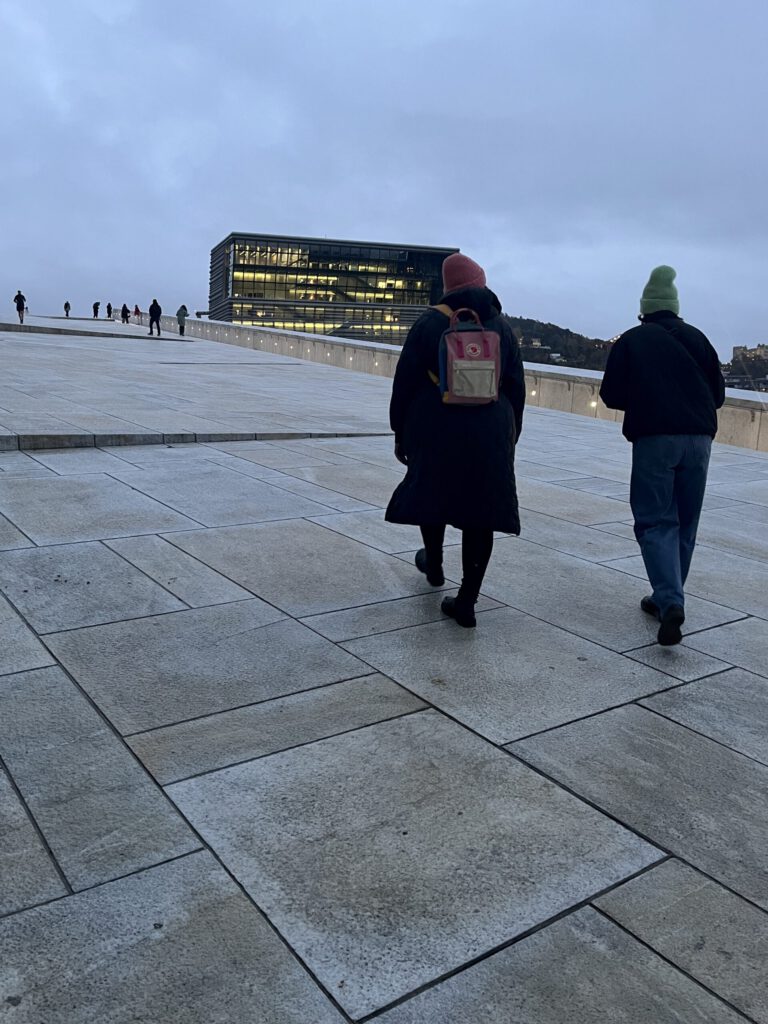

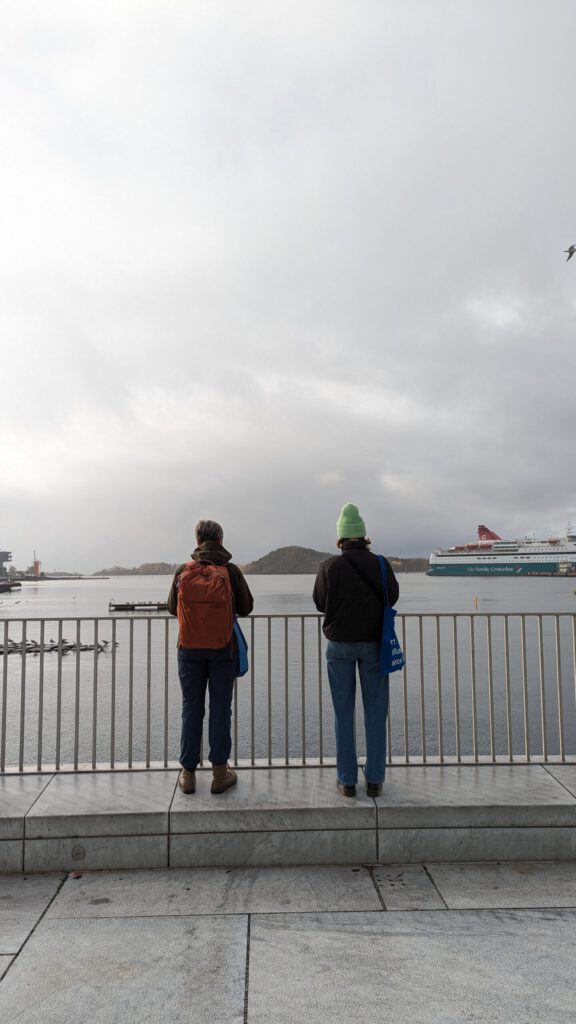



Photo credits: Carina Lampeter, Seraina Brugger, Barbara Stieber
Are you mdw staff and interested in visiting one of our partner institutions?