“On a Teacher Mobility, You Are an Ambassador for the mdw”
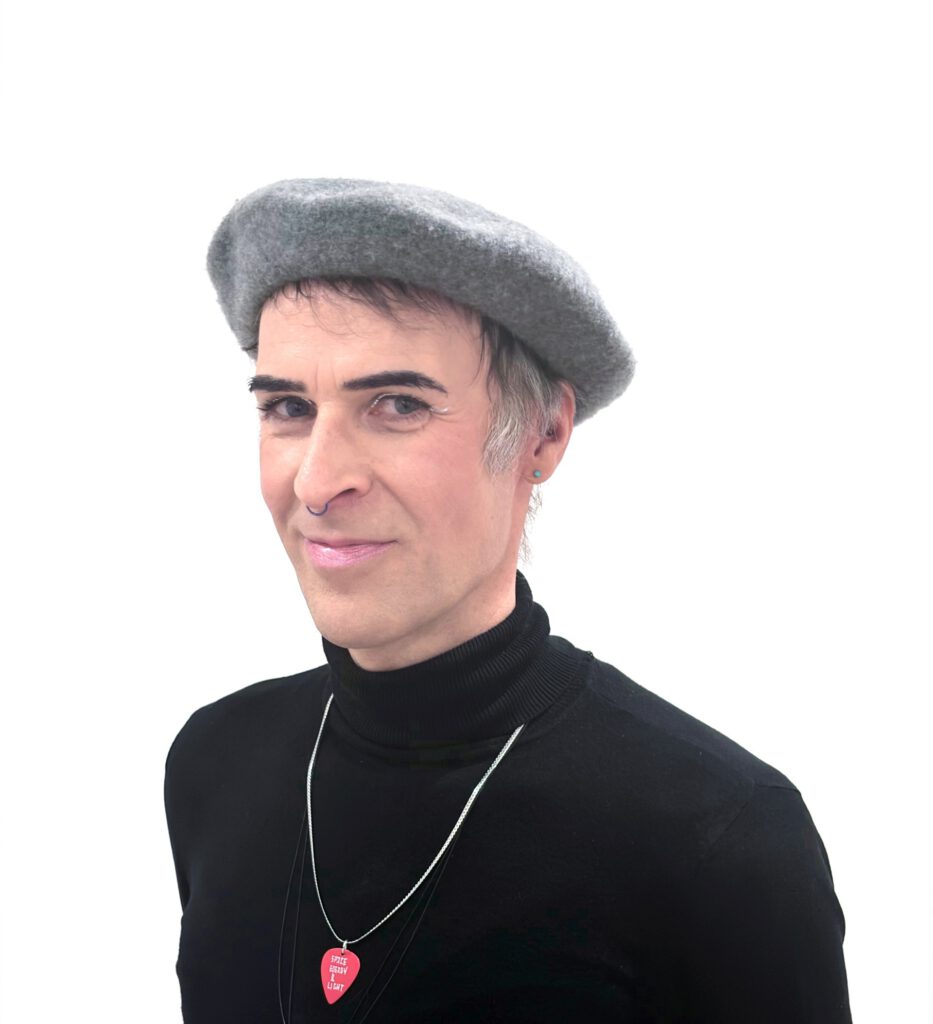
Daniel Serrano is a composer and teaches music theory in the mdw’s Leonard Bernstein Department of Wind and Percussion Instruments. He studied violin and chamber music at the Musikene in San Sebastián and completed his composition studies with Michael Jarrell and music theory with Gesine Schröder at the mdw.
As a teacher at the mdw, he often takes advantage of the opportunities of Erasmus+ and other development programmes for his teaching and his projects abroad. In August 2024, one of his mobilities took him to the Escola de Comunicações e Artes of the University of São Paulo. “It is a very good university with a high standard among the students and an outstanding position in the rankings of Latin American universities,” says Serrano.
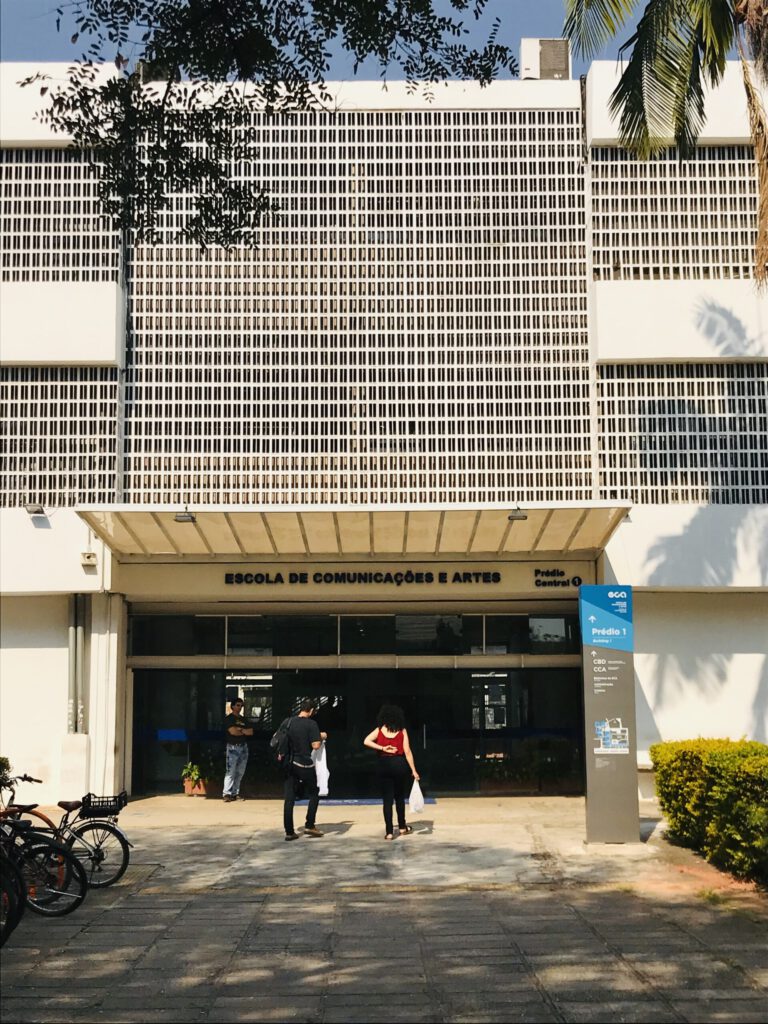
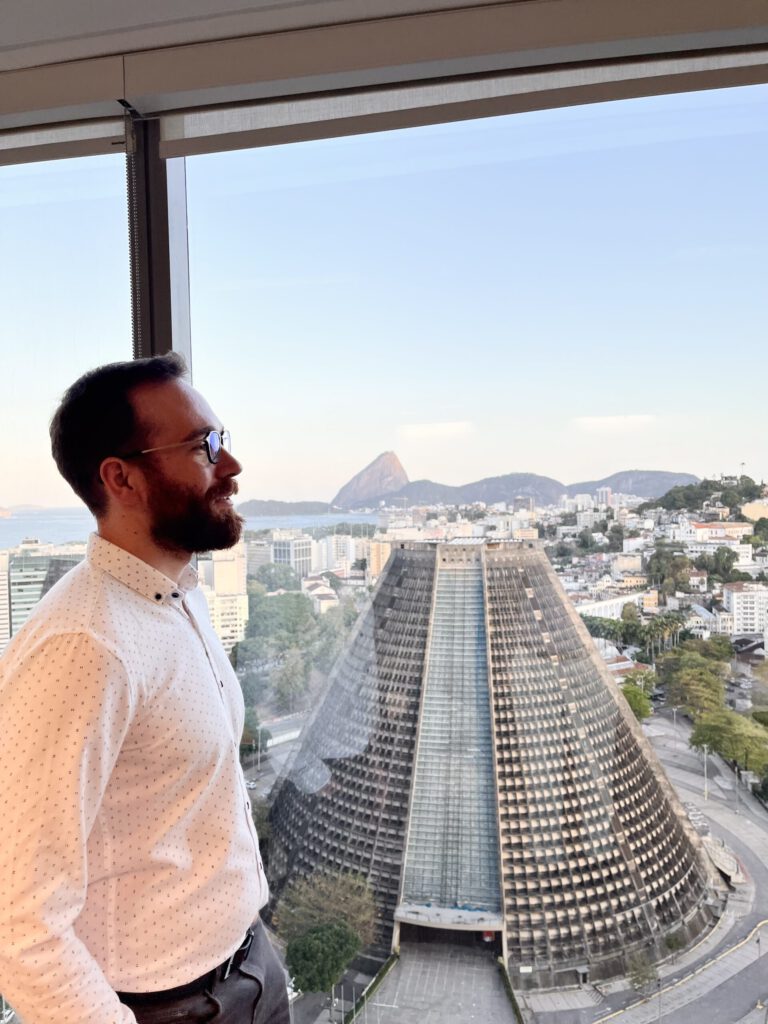
He began his stay very pleasantly by attending a concert and engaging in conversation afterwards with a number of people from the Institute for Music. In the following days, Serrano held workshops for composition students, also providing feedback on their works and giving a chamber music workshop. “I would describe the atmosphere at the institute as very familiar; it is easy to strike up conversations with others,” says Serrano.
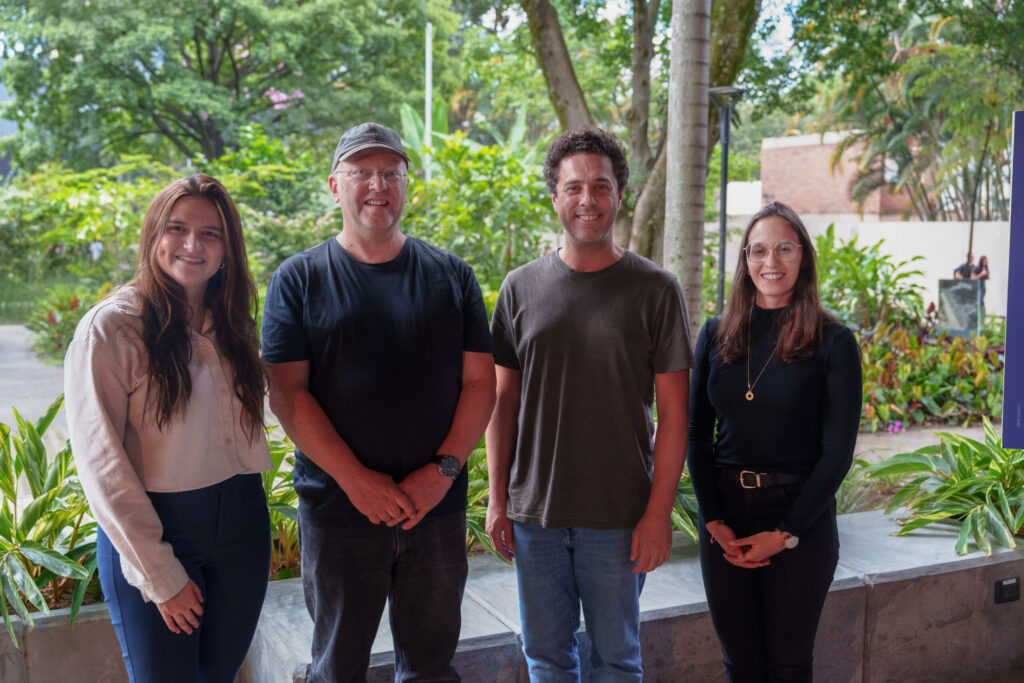
He enjoys a particularly successful collaboration with Adriana Lopes da Cunha Moreira, an instructor for music theory, analysis, perception, and chamber music at the institute, with whom he also taught during his stay. Serrano focused on counterpoint and Lopes da Cunha Moreira on rhythm. The two of them also have concrete plans for continuing the cooperation between the mdw and University of São Paulo. The first implementation of this was Adriana Lopes da Cunha Moreira’s teacher mobility at the mdw in November 2025, where she gave a workshop for mdw students on the topic of rhythm. In the future, these mobilities are to be expanded to include students from both universities. An important component of the collaboration is to be the symposium in São Paulo and Vienna planned for 2027. “We want to connect music theory, musicology, and performance in a way that is as interdisciplinary as possible,” says Serrano about the project, which will soon be submitted. This undertaking illustrates how a mobility by an mdw teacher can result in a sustained cooperation between universities with an academic exchange on both a teacher and student level.

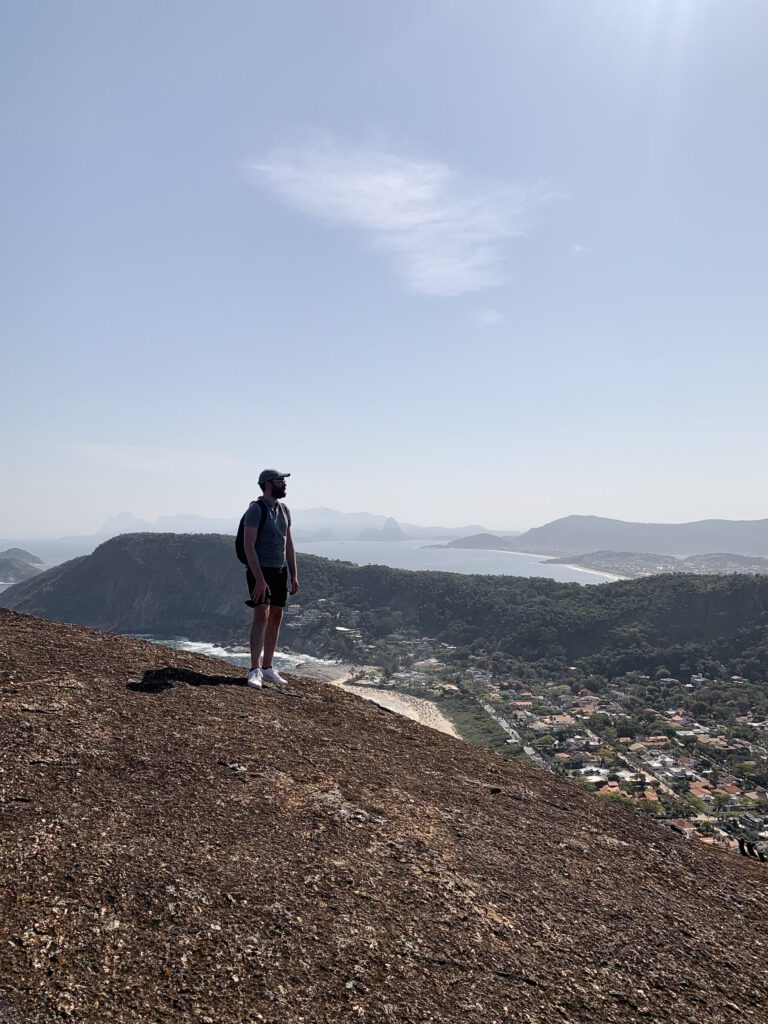
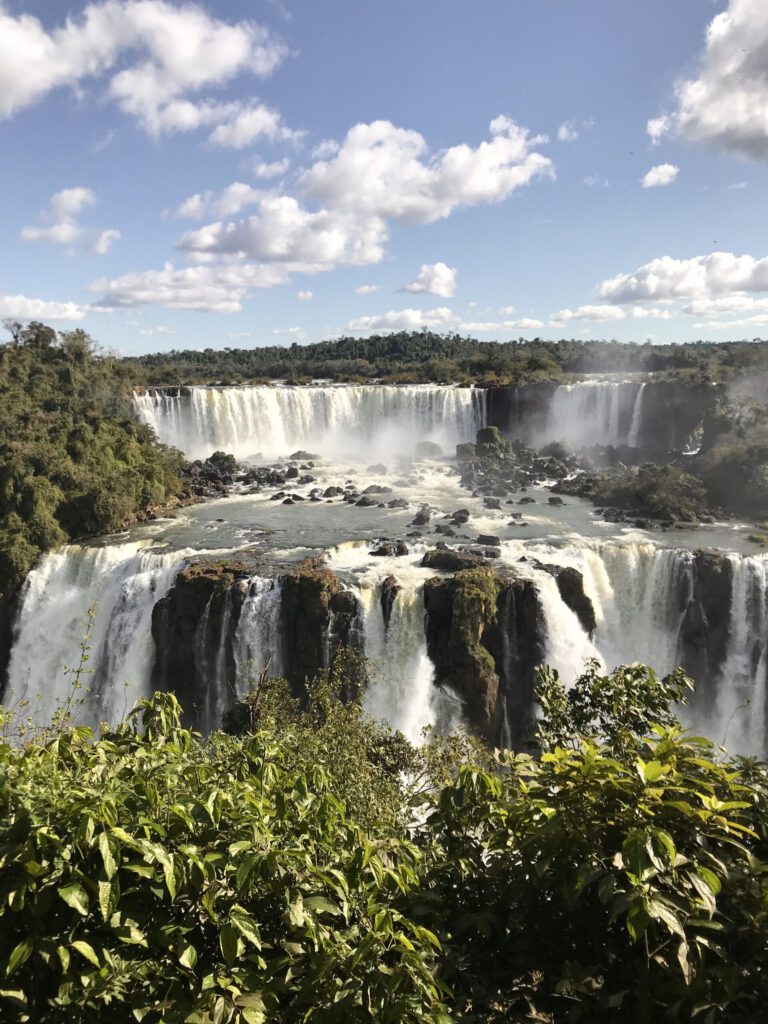
Aside from his work at the university, Serrano still had time during his stay in São Paulo to visit museums and “Japantown”, the Liberdade area, which is the largest Japanese community outside Japan. He was able to visit other places in Brazil as well, where he was particularly impressed by the beauty of the country’s nature.
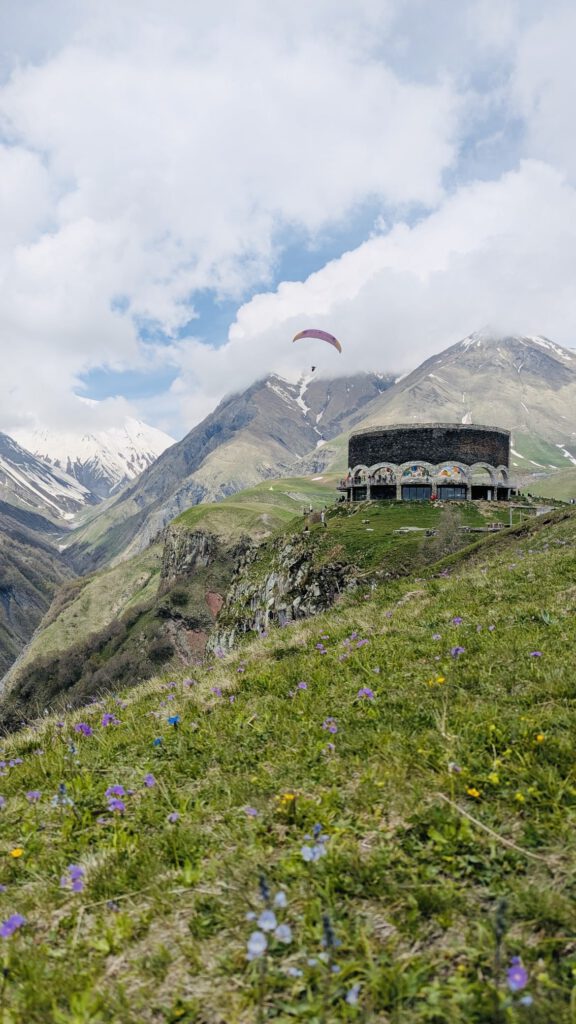
Another mobility had taken him to Georgia in May 2025. At the V. Sarajishvili Tbilisi State Conservatoire, the composer gave a masterclass for composition students. Among other things, he analysed their compositions with them, some of which addressed current developments in Georgia, such as the media composition by one student about the conflict surrounding a building in Tbilisi that was built during the Soviet era and now is to be torn down.
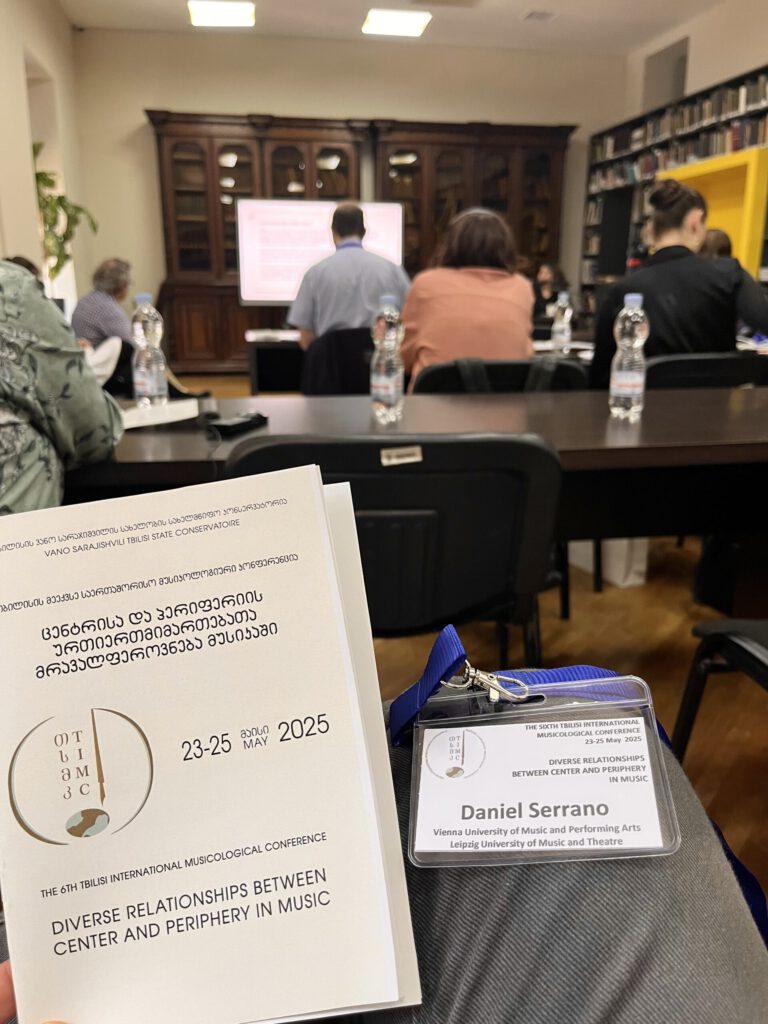
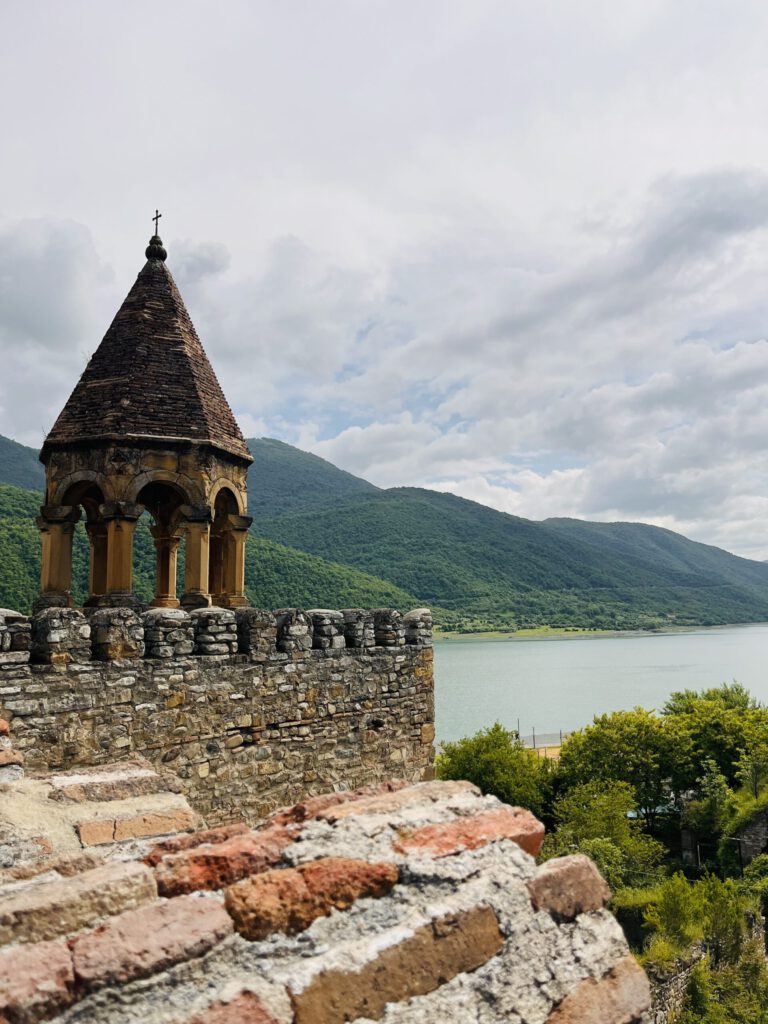
Serrano spoke with other composition teachers about the education situation. “The students at the V. Sarajishvili Tbilisi State Conservatoire whom I met impressed me with their high level of education and their great commitment. Via Erasmus+, the Conservatoire also regularly tries to host teachers from European partner universities,” says Serrano. As a continuation of this active exchange between the mdw and the V. Sarajishvili Tbilisi State Conservatoire, this academic year will again see teacher mobilities in both directions.

The mobilities shape the participants’ views of their own teaching and their place of work. “I enjoy looking at other ways of teaching and working, which provides me with other perspectives and ideas for my work,” remarks the mdw teacher. “You also learn to teach confidently in various languages.” Serrano’s mother tongue is Spanish, but at the mdw, he usually teaches in German. In Georgia, he held his workshops in English; in Brazil in Spanish, at the request of the students.
Because of the large number of international students and teachers at the mdw, the environment there is already very international, but it is still very important to Serrano to see other settings and places: “By getting to know another culture and society, you may also better understand the compositions and artistic approaches of another country.”
His next mobility, in February 2026 as part of ASEA Uninet, will take him and fellow mdw teacher Luca Lavuri to Malaysia, to the Universiti Teknologi MARA (UiTM) in Shah Alam, and to Thailand’s College of Arts, Media, and Technology of Chiang Mai University. Serrano enjoys travelling to Asia in general. In 2025, he and Luca Lavuri were at the University of Hong Kong and the Chinese University of Hong Kong in Shenzhen as part of the “Saiten-Tasten | A Transcultural Encounter” project, where the pianist Lavuri performed compositions by Serrano and colleagues from the Chinese partner universities.
“On an mdw teacher mobility at a guest institution, you are an ambassador for the mdw, because you are presenting the practices and methods of our university. Through my teaching activities abroad, I contribute to enhancing the status and international character of the mdw. Students and colleagues at the partner universities receive fresh impulses and strengthen their international profile. For my part, I gather enriching and inspiring experiences. It is a win-win situation,” says Serrano, who is looking forward to more exciting encounters.
Text: Isabella Gaisbauer
Are you a mdw teacher and interested in teaching in one of our partner institutions outside Europe?