At the beginning of March 2026, I attended the 15th annual SEADOM (Southeast Asian Directors of Music) Congress in Singapore even though I’m neither Southeast Asian nor a director of a professional music school. Here’s why.
Bencoolen is the name of the neighborhood where 2 of the 3 arts education institutions that hosted the 15th annual SEADOM Congress are located. The very name of the neighborhood holds a long history of trade and exchange amongst diverse peoples. Bencoolen, in old Malay, “Bengkulu”, was a busy British trading post on the Island of Sumatra in Indonesia from 1685 until it was traded to the Dutch for the Island of Singapore in 1824. After this trade many Malays from Bengkulu or, anglicized, “Bencoolen” moved to Singapore and founded the Bencoolen community. Ever since, the area, with its two thriving arts colleges, has continued to be infused with a “spirit of encounter.” In this spirit leaders, musicians and educators in higher music education from all over Southeast Asia and beyond gathered here at the beginning of March to share their musical experience.
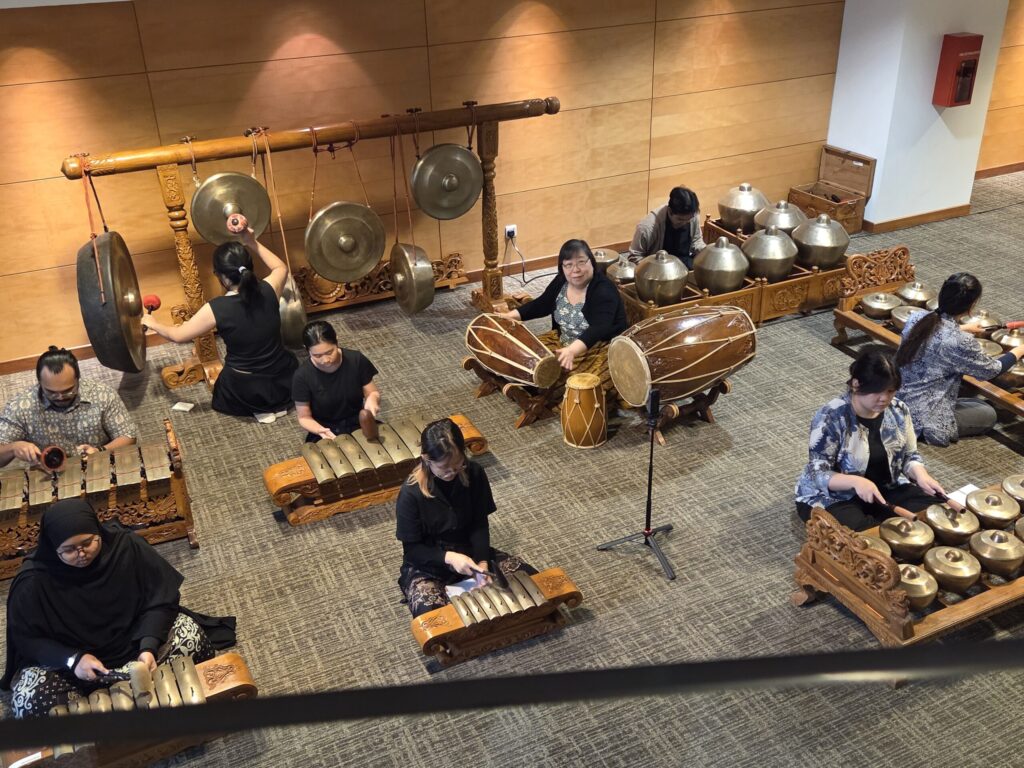
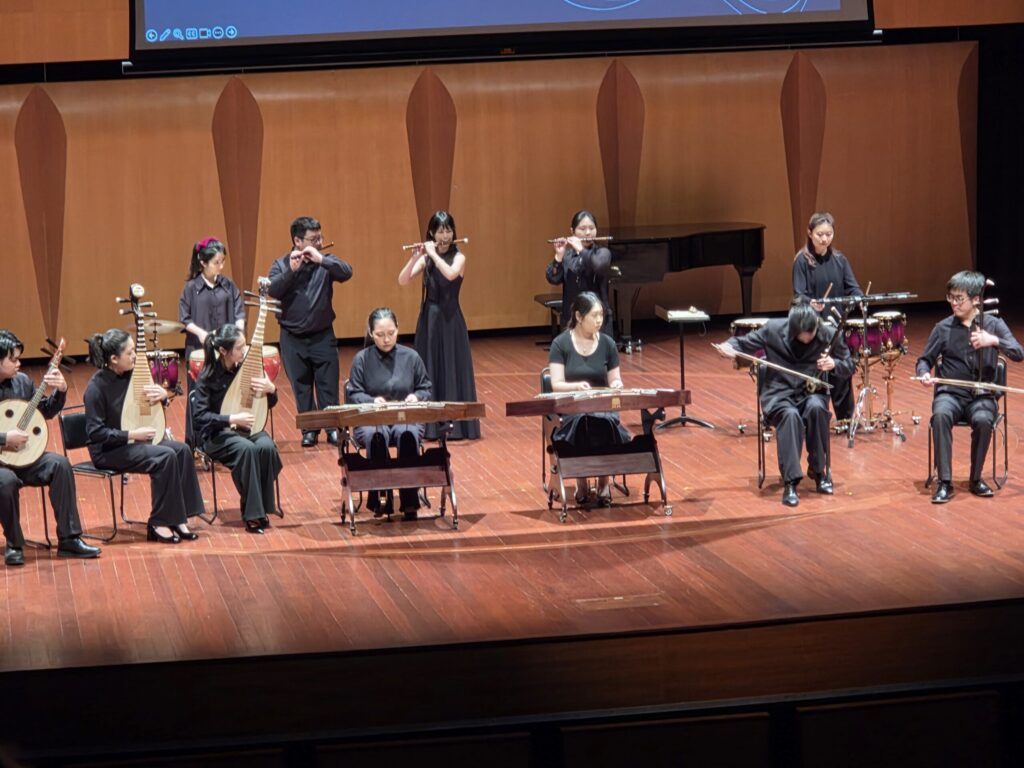
Dr. Ernest Lim, Dean of the Faculty of Performing Arts at NAFA, Nanyang Academy of Fine Arts, Singapore launched the opening of the Congress with this reminder of the long history of sharing among countries and civilizations in the region which is the foundation of the deep and vibrant relationships the countries of SE Asia share. The title of this year’s Congress is, “Echoes and Emergence.” This theme formed a thread connecting the varied keynote addresses and other presentations offered over the 3 days of the gathering. As Prof. Kuok Kian Woon, Vice-Chancellor of the University of the Arts, Singapore emphasized in his keynote address, the countries of SE Asia aren’t as separate as they appear to be. The peoples of the region have been shaped by inter-civilizational dialogue over centuries. I think the SEADOM Congress serves as a foundational tool to bring these dialogues to the forefront, giving this shared musical experience a home base where it can grow and change over the years, thus establishing a contemporary culture and tradition of SE Asian collaboration in music education. A multitude of fruitful projects flow from this “shared musical encounter,” such as concerts, student and faculty exchanges, evolving best practices in teaching and research, to name just a few.
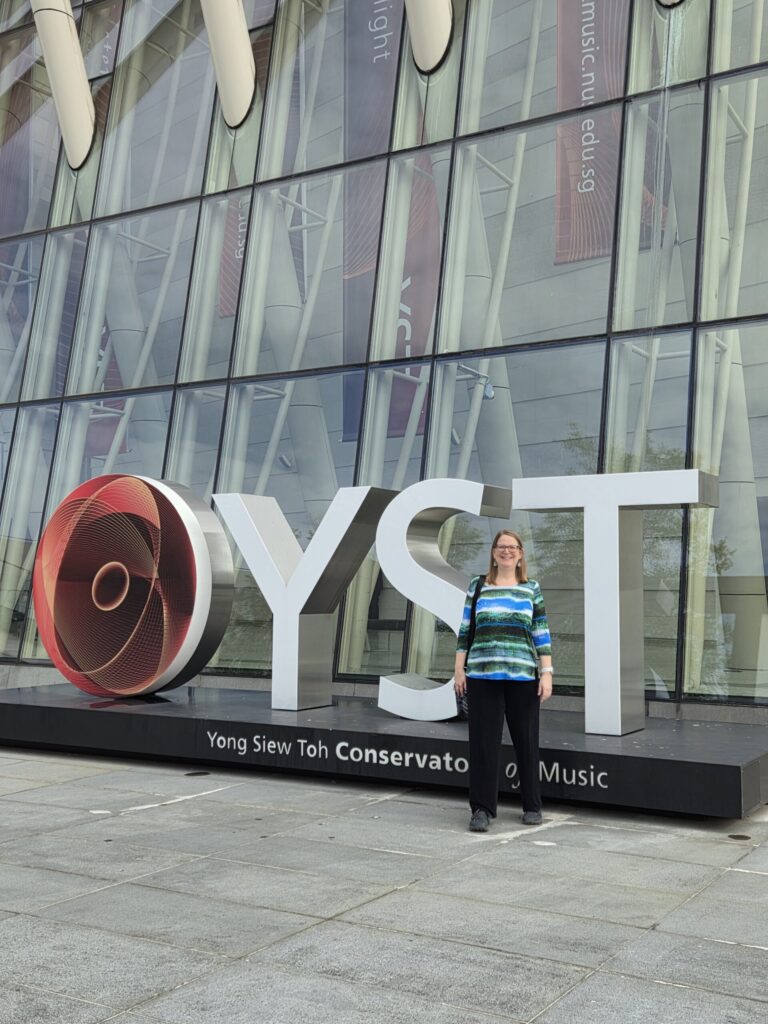
So why am I, an accompanist from the mdw, attending this meeting? Europe has its own traditions deeply embedded in its history and culture for cross border encounters in higher music education. We are fortunate to have many well-established institutions for cultural exchange, and we are also fortunate to have countless organizations, groups and individuals actively creating new, innovative possibilities for cultural sharing and collaboration. Having lived in Austria for over 35 years, it sometimes appears as if these well-established pathways of exchange were always there. It would be easy to take the continuing innovation and increasing opportunities for cross-border projects for granted. It would be easy to view the existing structures as if they had always been there and were already full to capacity, with no room for even more contributions and innovation. However, even a strong and thriving culture of international encounters in the performing arts and music education needs continual development and re-shaping with fresh, new ideas. Most importantly, as the new SEADOM President, Asst. Prof. Dr. Anothai Nitibhon, acting President of the Princess Galyani Vadhana Institute of Music in Bangkok pointed out in her welcoming address, “Strength in local population is not separate from international collaboration, it is its foundation.”
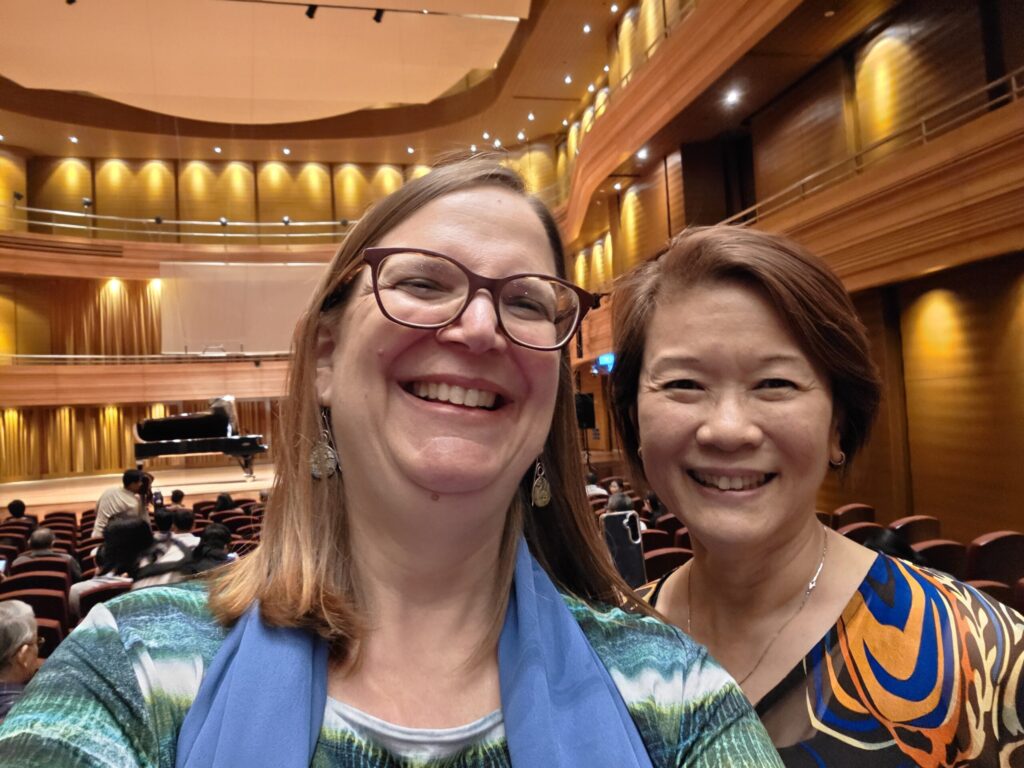
Seeing a relatively young organization establishing itself, creating a shared regional identity and flourishing with new and forward-thinking practices enables me to better envision my own possible pathways for contributing to the strong, centuries old cultural landscape where I live and work. Just as traveling abroad lets you truly see your home country with a bit of a “bird’s eye view”, participating in the discussions and cooperations in a completely different region of the world offers a chance a look at the bigger picture, “Über den eigenen Tellerrand schauen,” as they say in German. Seeing the similarities and differences, both the patterns that seem to emerge everywhere where best practices in higher music education are discussed and the many unique outcomes of these discussions in different parts of the world makes it possible to envision new ideas and methods in a centuries-old musical landscape.
The SEADOM Congress’s theme, “Echoes and Emergence,” can find resonance with leaders, musicians and educators from all parts of the world. Tradition and the echoes of the past can sometimes seem deafening, but, loud though they are, they needn’t drown out the new and innovative. In fact, they are the foundation from which new and vibrant approaches spring forth.