“An Impetus for Learning Beyond One’s Own Research Topic”
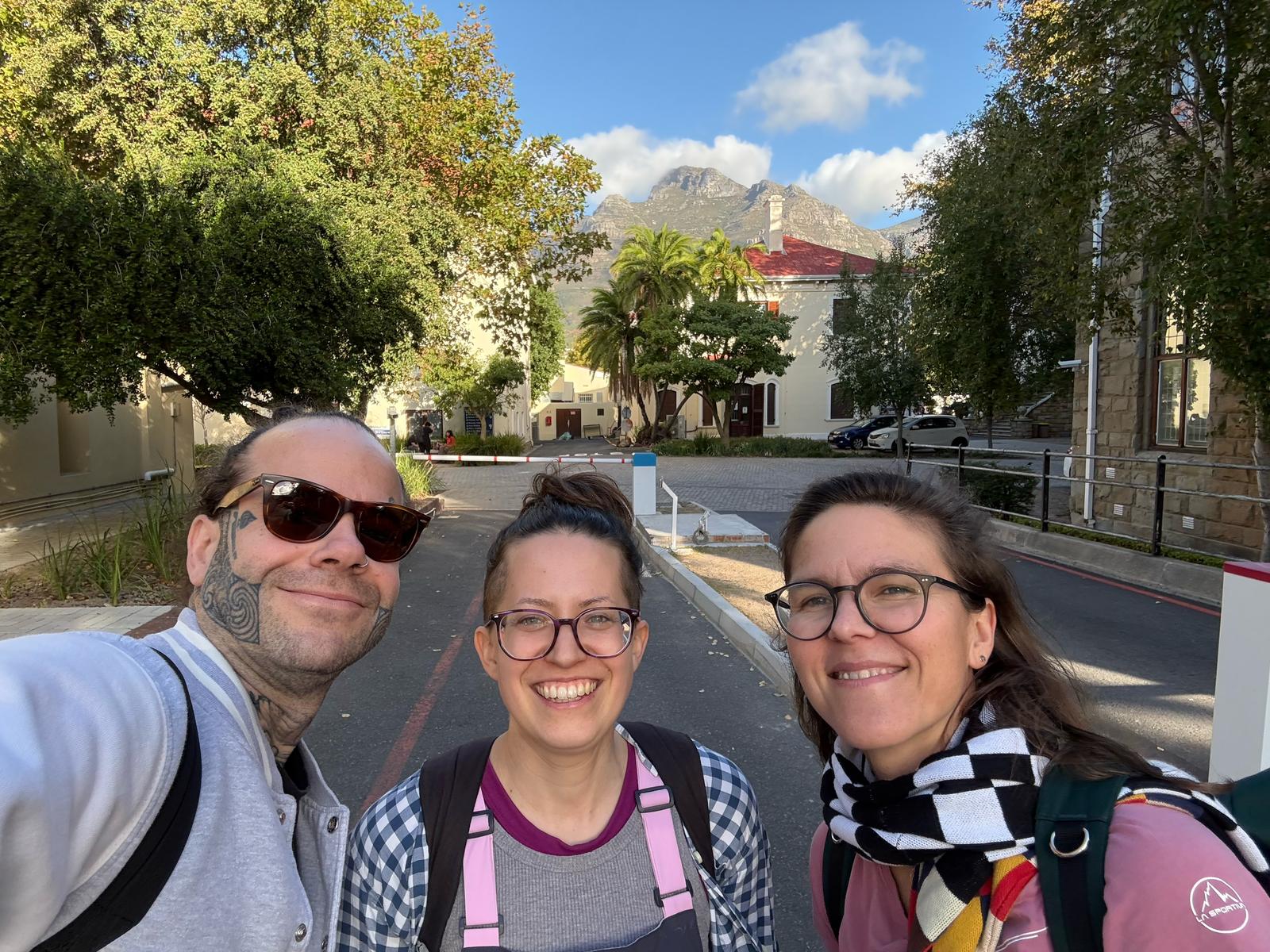
A PhD short-term mobility took the three mdw students Caroline Gansterer-Heider, Constantin Luger, and Abigail Wagner to Cape Town, South Africa, for a week in March 2025. Their teacher Evelyn Annuß, Professor for Gender Studies, initiated the research trip. She and mdw teachers Isabel Frey and Philipp Hohmann held classes at the University of Cape Town, which were also attended by the doctoral students from the mdw, and engaged in intensive exchange with students from the Centre for Theatre, Dance & Performance Studies there. In addition to university events, the days in Cape Town were filled with a cultural programme that helped the mdw students understand the past and present of South Africa.


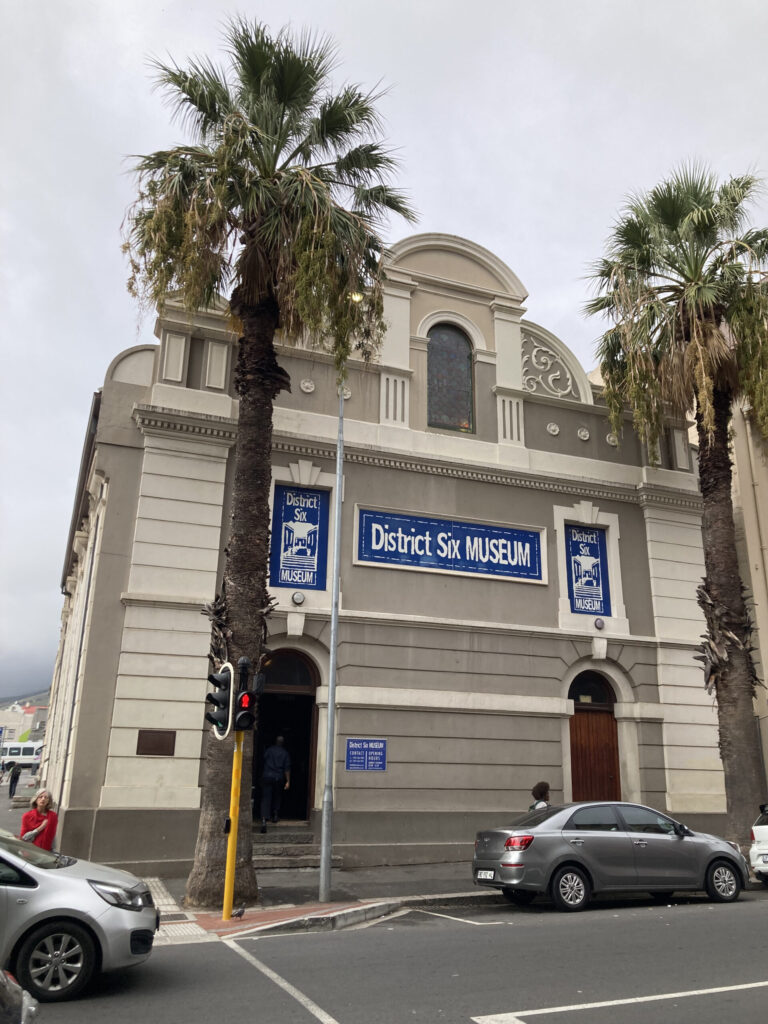
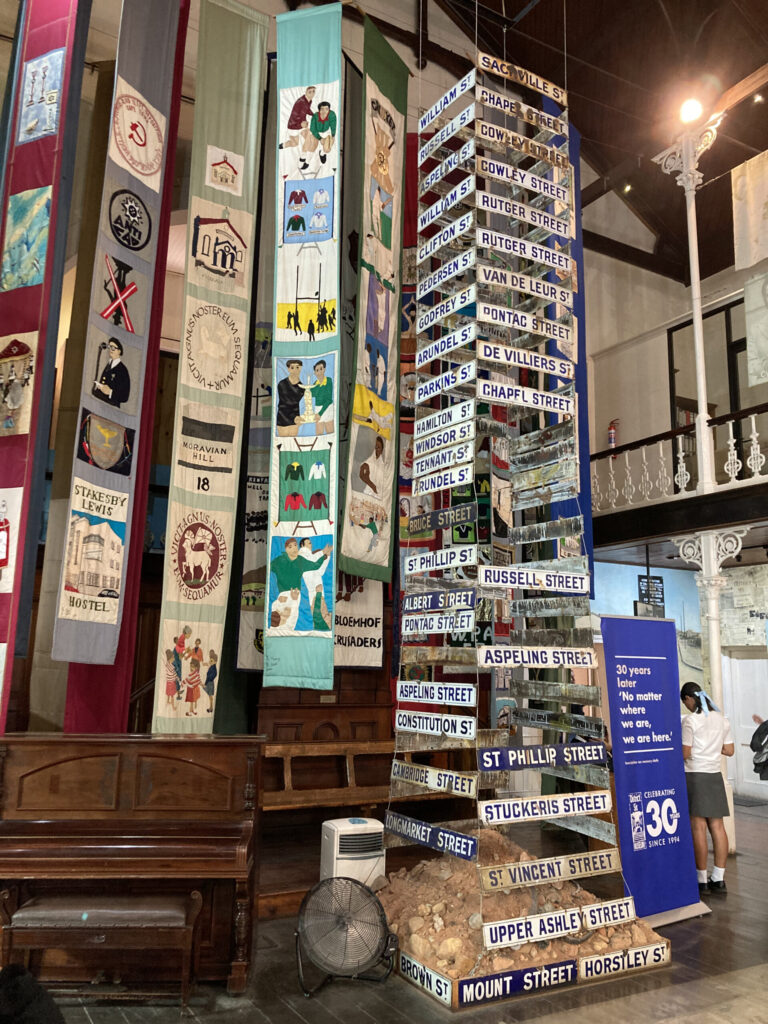
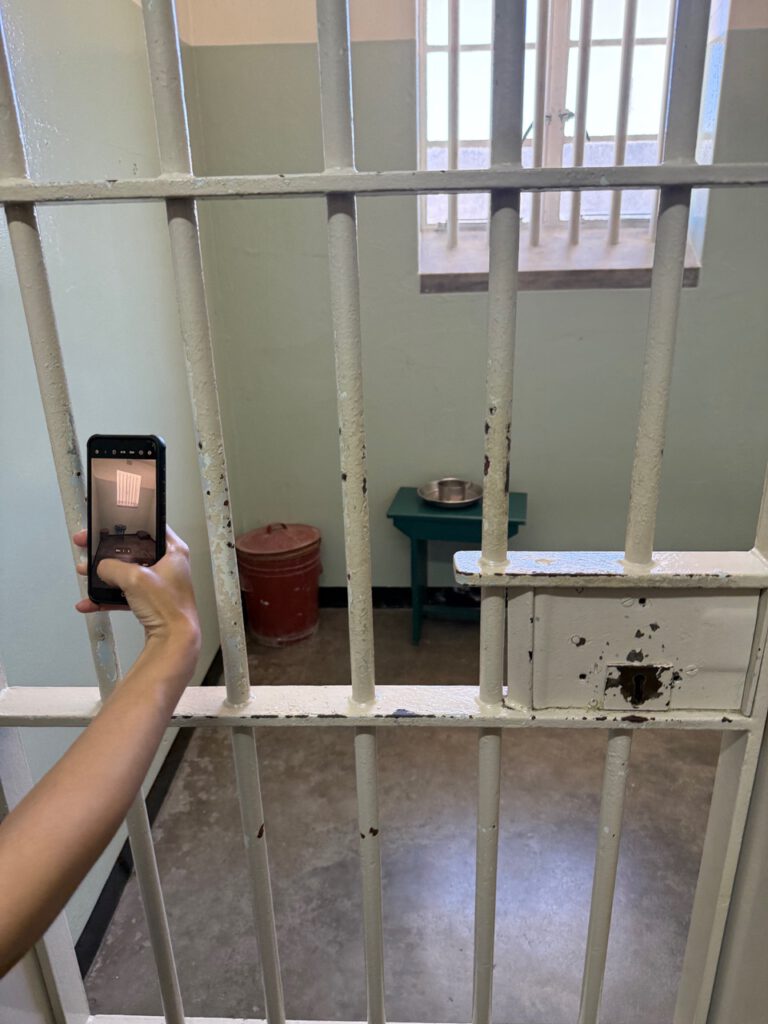
“Before you travel to South Africa, you know the basics of the country’s history of colonisation, slavery, and apartheid, of course,” says Constantin Luger. “But when you’re actually there, the turbulent history of the country and the city becomes very immediate.” A must for the students was a visit to the District Six Museum, which shows the history of Cape Town’s District Six, an area where people of various cultural, social, and ethnic backgrounds lived at one time. At the end of the 1960s, most of the neighbourhood’s inhabitants were forcibly removed and it was declared a whites-only residential area. The students also visited the former prison on Robben Island. During apartheid, it was used primarily to imprison political prisoners. Nelson Mandela spent eighteen years of his imprisonment there, prior to being elected South Africa’s first Black president in 1994. The former prison was opened to visitors in 1997.

For the students, participating in this trip first and foremost served to widen their horizons. “For me, it was an impetus for learning beyond one’s own research topic,” says Abigail Wagner, who researches in the area of historical musicology. Constantin Luger studies in the Department of Cultural Management and Gender Studies. His research subject is the late Austrian pop singer Falco as a fictional character. “In general, I am committed to taking away as much as possible from my studies,” explains Constantin. “My conversations with students at the University of Cape Town gave me many new ideas, including ideas about artistic research.” Caroline Gansterer-Heider conducts artistic-scholarly research in the area of bias in cinematographic technology. “This trip and deeper insights into the research being conducted at the University of Cape Town and at the new International Research Center – Gender and Performativity at the mdw were very enlightening for me and caused me to reflect on my own white, Eurocentric perspective of my research topic,” remarks Caroline. “The history of inequality, oppression, and resistance—including in the form of the visual arts and above all in performance—is incredibly impressive. No theory in a book can compare to being right there and witnessing the traces of this history.”
Nearly 30,000 students study at the University of Cape Town in numerous disciplines, including business, law, the humanities, and engineering. The university is spread over various locations in the city. The Centre for Theatre, Dance & Performance Studies is located in the suburb known as The Gardens, a tourist area with many hotels and restaurants.
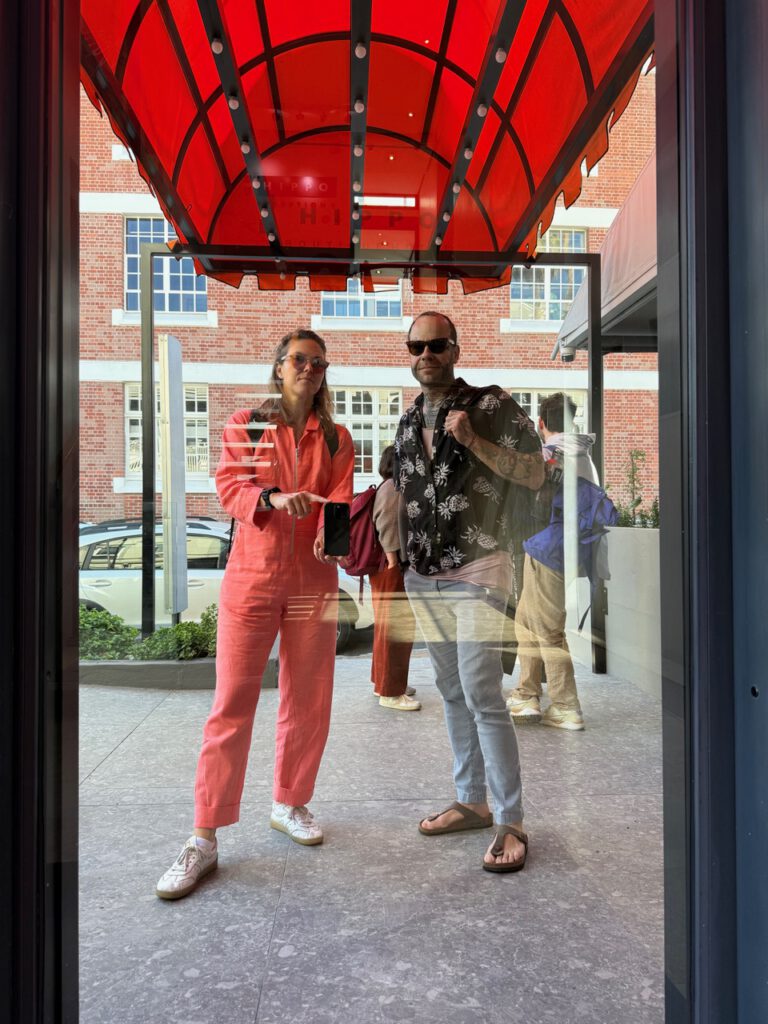
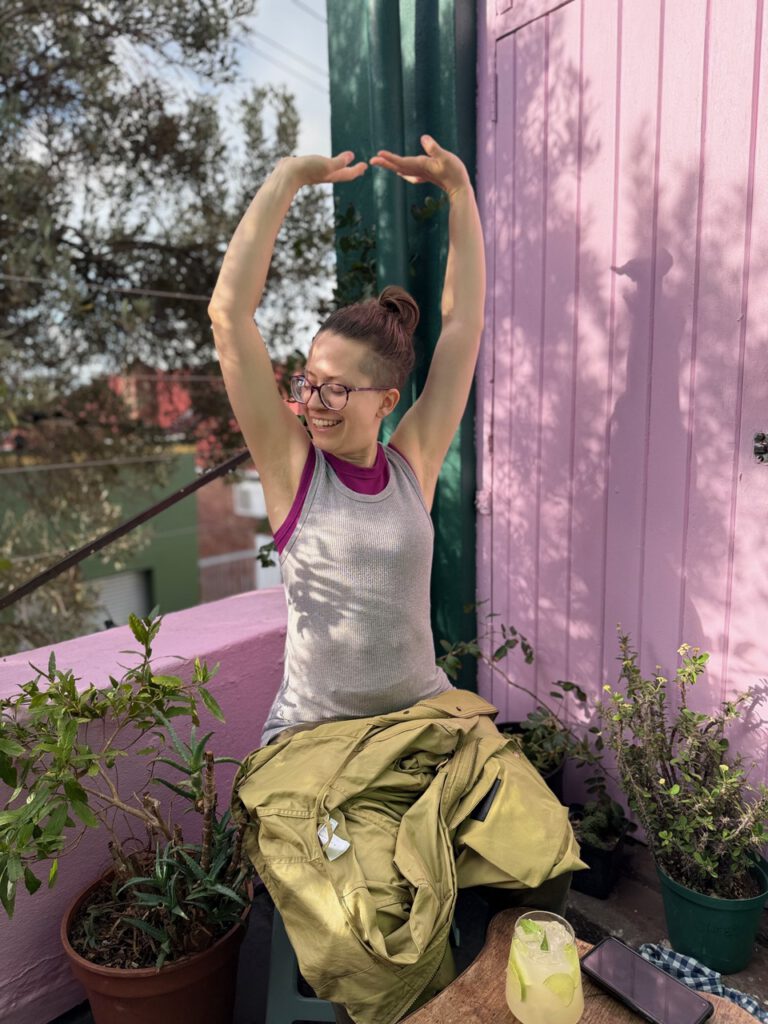
“Exploring the city, you notice how it is divided into separated spaces,” says Abigail. Social inequalities according to the area are also evident in the access to urban infrastructure, for example when scheduled power outages usually effect neighbourhoods outside the wealthy areas and those frequented by tourists. “Next to townships surrounded by walls and barbed wire, you find the villas and wine estates of the wealthy class, which are also spatially demarcated,” says Constantin. “This is grotesque. It takes a while to process these impressions.”
The mdw students were very enthusiastic about their open exchange with the teachers and students in Cape Town and plan to maintain these connections. Colleagues from the University of Cape Town will come to Vienna for the opening of the mdw’s International Research Center – Gender and Performativity (ICGP) from 12 to 14 June 2025. Constantin and Caroline could imagine doing another mobility to South Africa, particularly in view of the connections they have made in the field of artistic research.
All three would recommend a PhD short-term mobility to other doctoral students. “The PhD curriculum is strongly focused on presenting one’s own research topic. A mobility like this one is a good opportunity to learn again to explore other topics as well,” says Abigail. Constantin adds, “For the interdisciplinary aspect, mobilities are very valuable. At the intersection of art and research, it is important in general to be exposed to new input.”
Impressions of Cape Town:
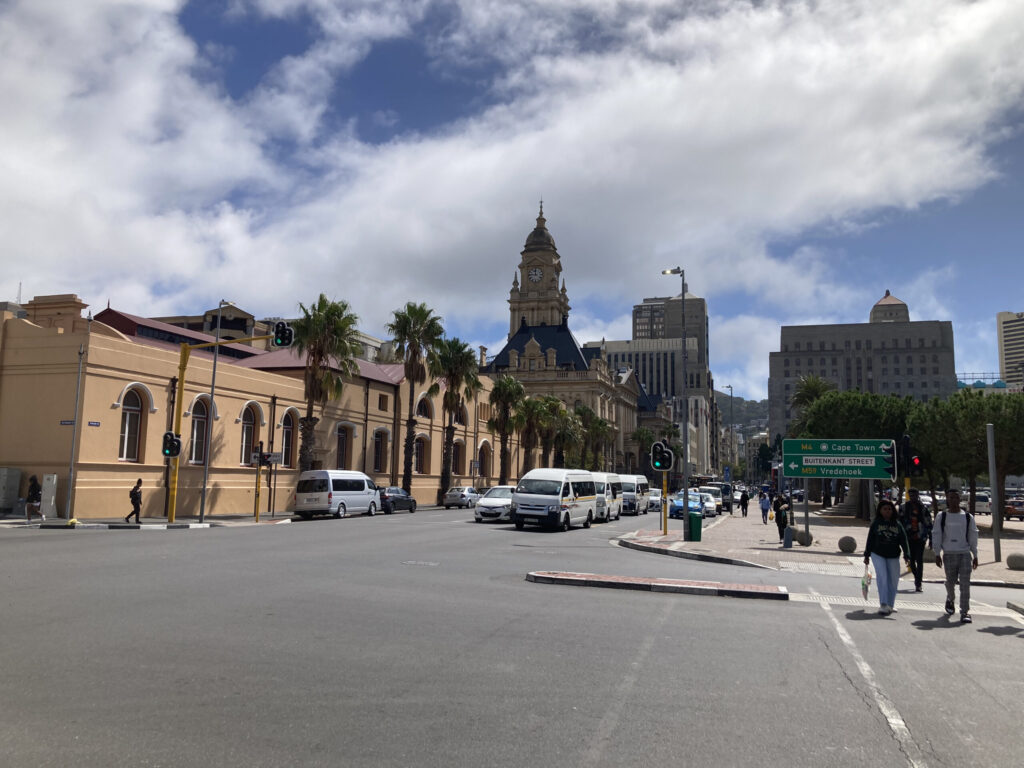
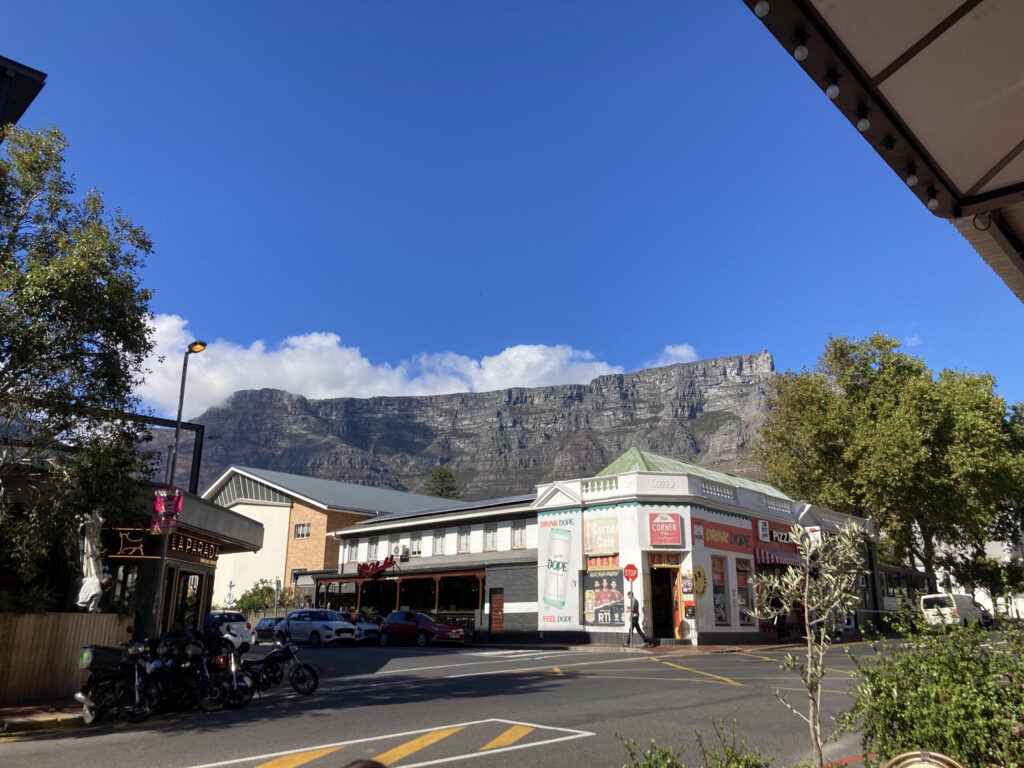
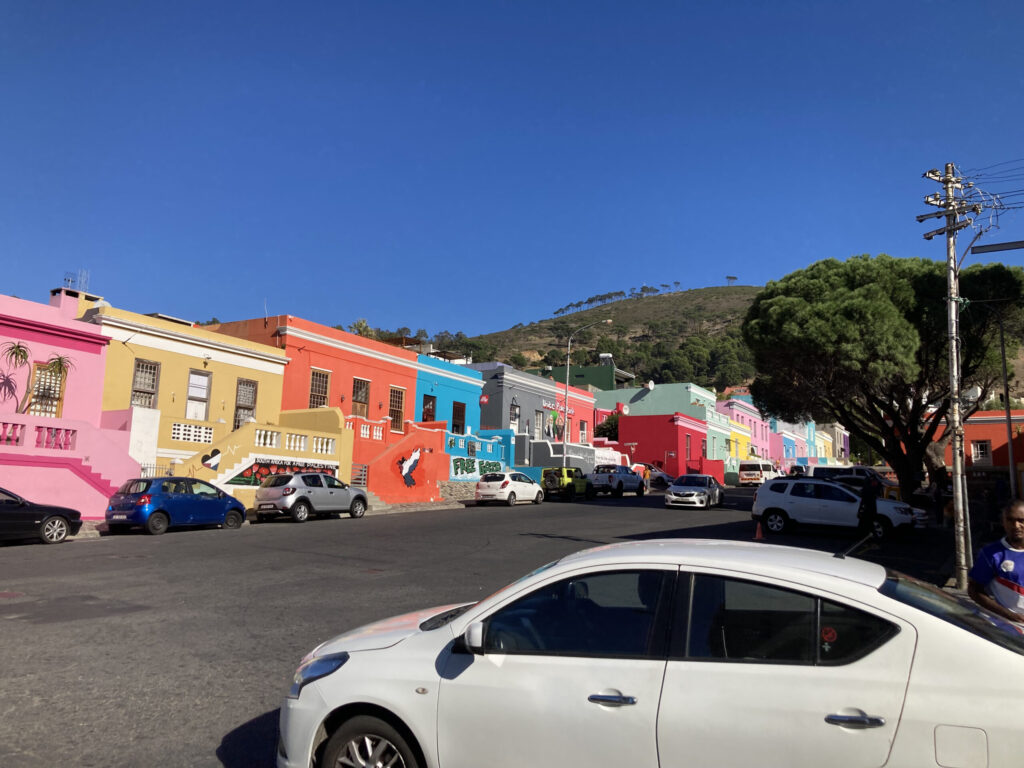
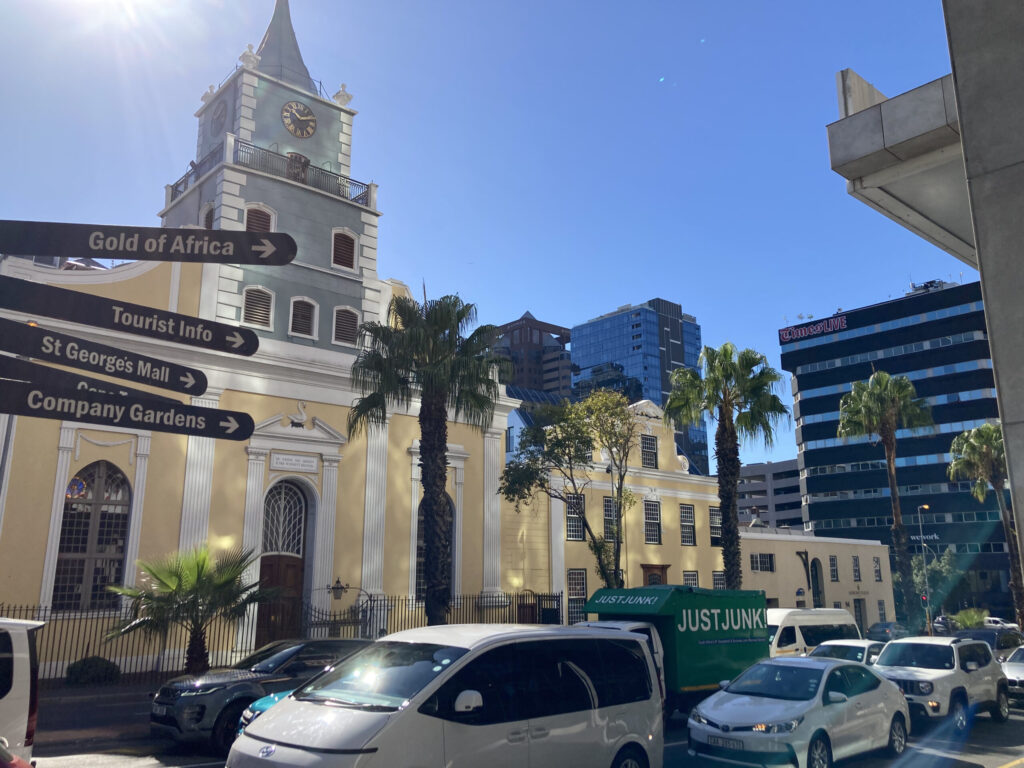
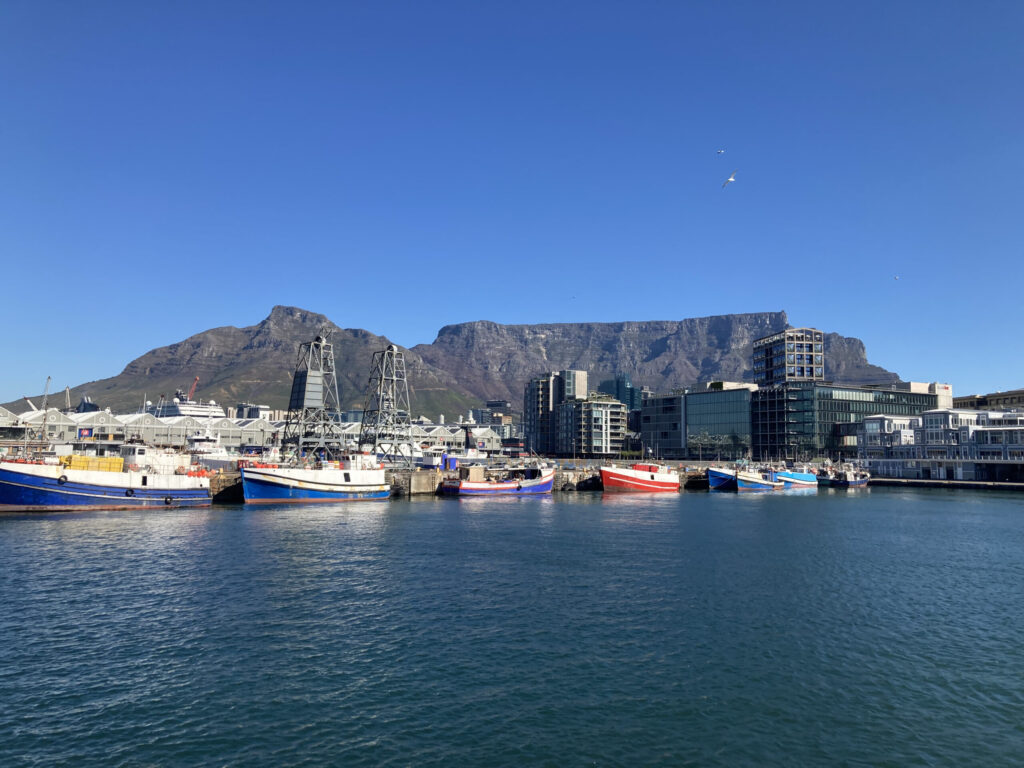
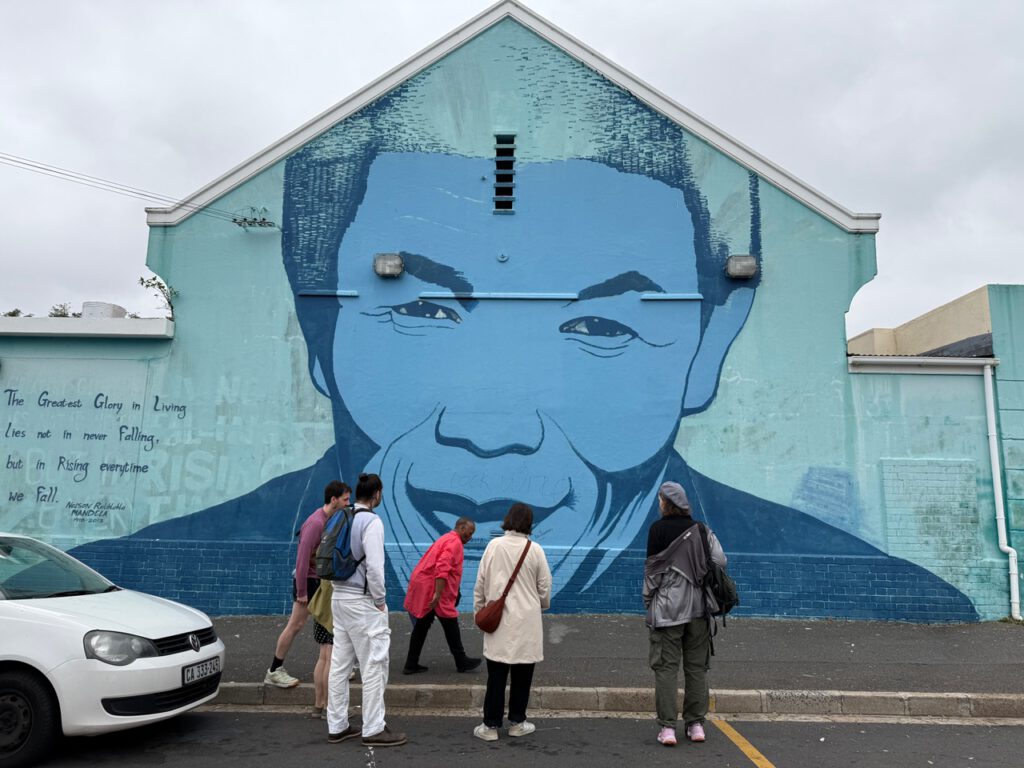
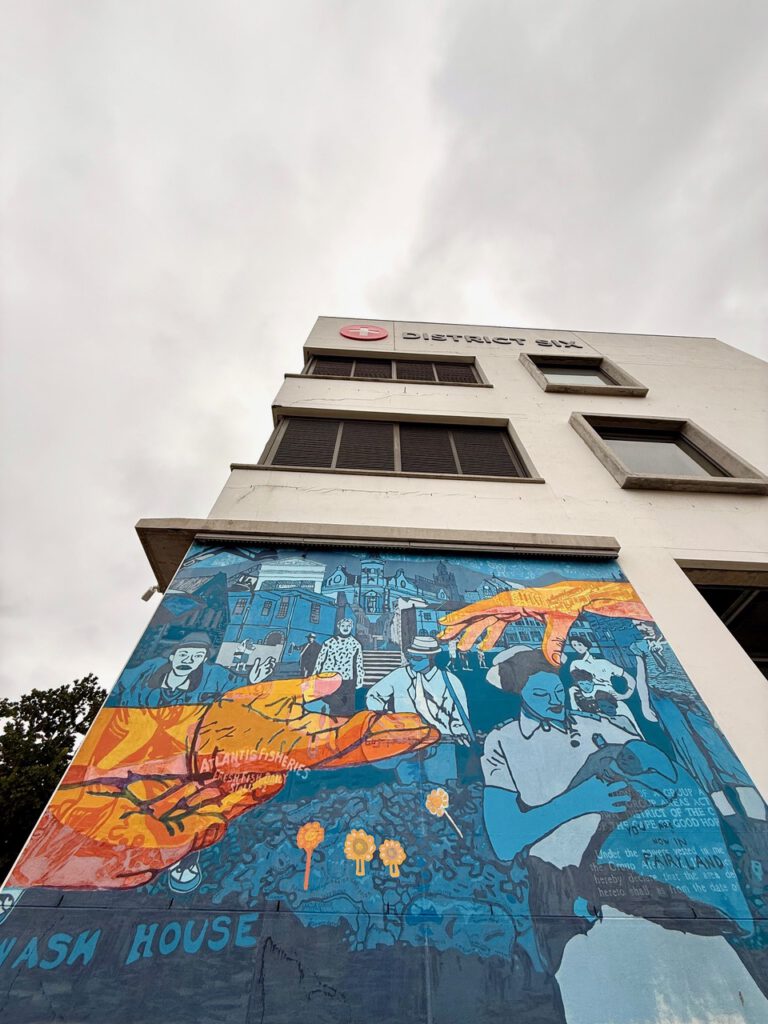
Credits: Caroline Gansterer-Heider/Constantin Luger
Text: Isabella Gaisbauer