Connecting Research, Dialogue, and People: Reflections on the AMPF Conference in Freiburg
From 23 to 26 September 2025, I had the privilege of attending the annual conference of the Arbeitskreis für Musikpädagogische Forschung und Praxis (AMPF) in Freiburg—an inspiring gathering that brought together around 190 music education scholars, mainly from Germany and Austria, with some contributions from other countries. Supported by the mdw International Mobility Funding for Early-Stage Researchers and the Department of Music Education Research and Practice – IMP, this opportunity allowed me not only to share my own research but also to immerse myself in the diverse perspectives shaping the field of music education today.
My presentation, “Between Centre and Periphery: Governance Structures and their Impact on (Music) Education in Europe”, sparked a lively discussion among colleagues, which proved just as valuable as the presentation itself. Critical questions and generous feedback opened up new avenues for my work—reminders that research thrives on dialogue, not isolation.

The conference program was equally stimulating: discussions about how music teacher trainees navigate their professional identities, as well as debates on the role of AI and digital tools in qualitative research, offered fresh impulses for my own academic journey. In addition, panels explored the specific challenges of translating pop-cultural learning and knowledge cultures into formal education, the importance of musical self-concept and identity formation in teacher training, and new perspectives on post-digital practices such as multimedia performance in music classrooms. Thought-provoking debates addressed how criteria for “good music teaching” are defined and evaluated by students themselves, while other contributions examined the role of community ensembles as spaces for participation and democratic learning. The range of topics—ranging from theoretical innovation to very practical questions of classroom culture—highlighted the diversity and vitality of current music education research, and opened up inspiring connections to my own work. Beyond the sessions, the AMPF once again showed how international conferences are about more than just papers and panels. Conversations over coffee turned into concrete opportunities: I was invited to join a curriculum research group exploring the structures and canons of music education—a collaboration that promises to extend far beyond Freiburg.
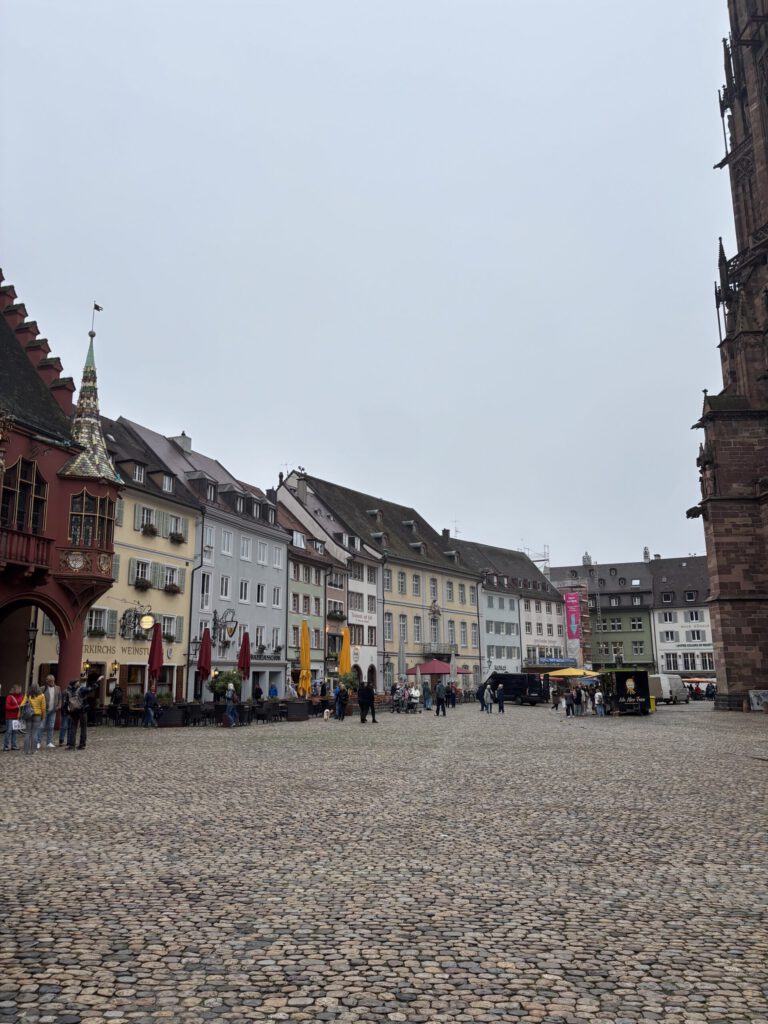
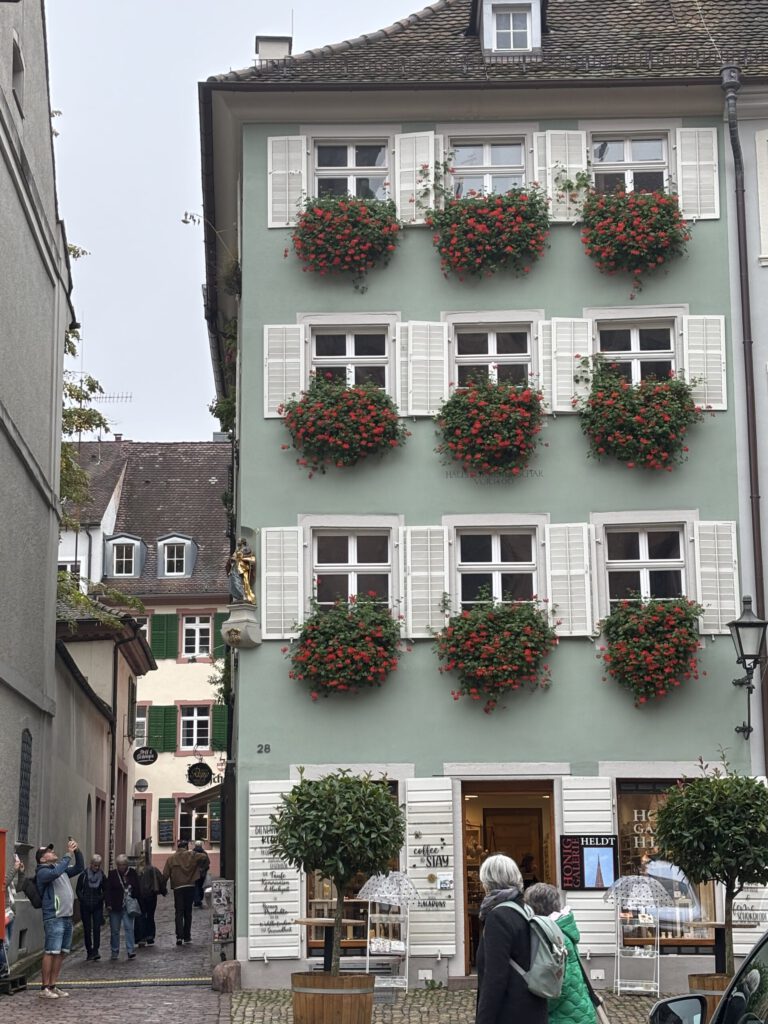
Attending the AMPF has thus been a milestone: it gave me the chance to make my research visible internationally, receive constructive input, and strengthen long-term academic networks. I am deeply grateful to mdw’s Research Support and the Department of Music Education Research and Practice – IMP for enabling this experience.