Between Mountains and Ideas: Reflections from the PEA Conference in Merano
The journey to Merano already felt like a prelude to the conference itself: first by train to Munich, then by Flixbus winding its way up and down narrow mountain roads, past steep gorges and picturesque villages. The rhythm of the curves and the sudden views of alpine valleys set the stage for what awaited me—a conference that promised movement, perspective shifts, and moments of resonance.
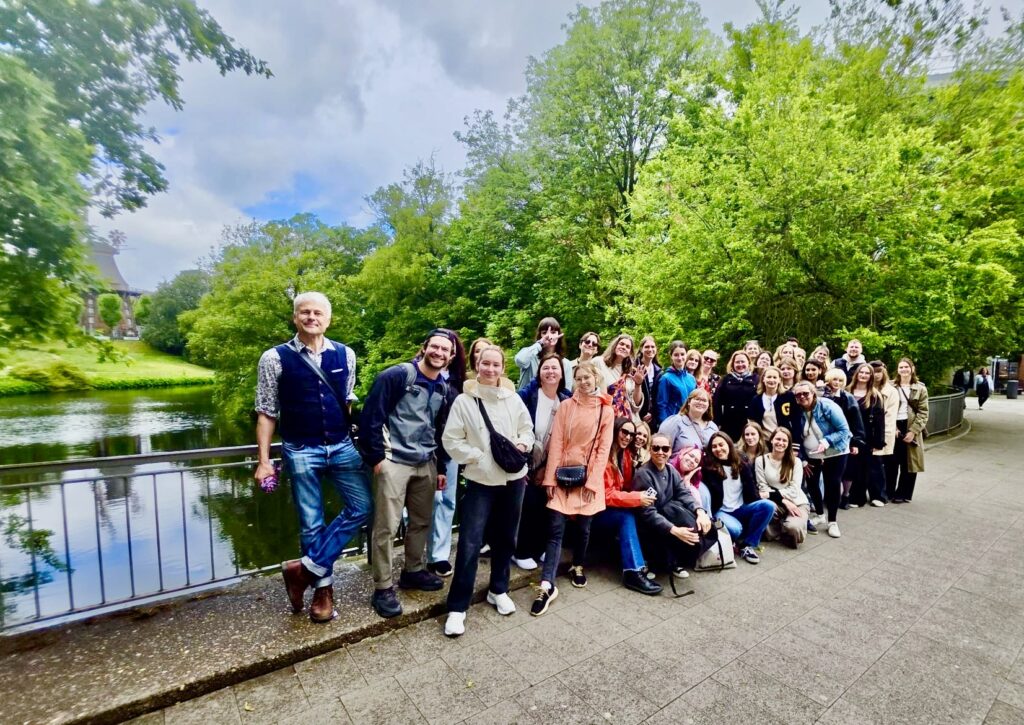
From 4 to 6 September 2025, the spa town of Merano hosted the PEA Conference (Pedagogy, Ecology and the Arts). With about forty participants from various countries, the gathering was small in scale yet rich in depth. Its intimate format fostered a sense of genuine exchange, with conversations flowing not only in panel rooms but also during coffee breaks on sunlit terraces, where warm weather and clear skies added to the spirit of conviviality.

Thematically, the conference circled around the notion of power in education—in its relational, structural, and creative dimensions. Keynotes set the tone: Peter Mayo explored lifelong learning and power for sustainable development, while Rachele Borghi and Rahel Sereke spoke on margins, resistance, and communities. Panels and workshops expanded these perspectives in multiple directions:
- exploring how urban educational networks shape agency,
- reflecting on biodiversity education and participatory learning,
- discussing emotions, gender relations, and civic engagement,
- investigating feedback, discourse, and reform in schools,
- and experimenting with embodied learning, dance, and artistic practices as forms of empowerment.
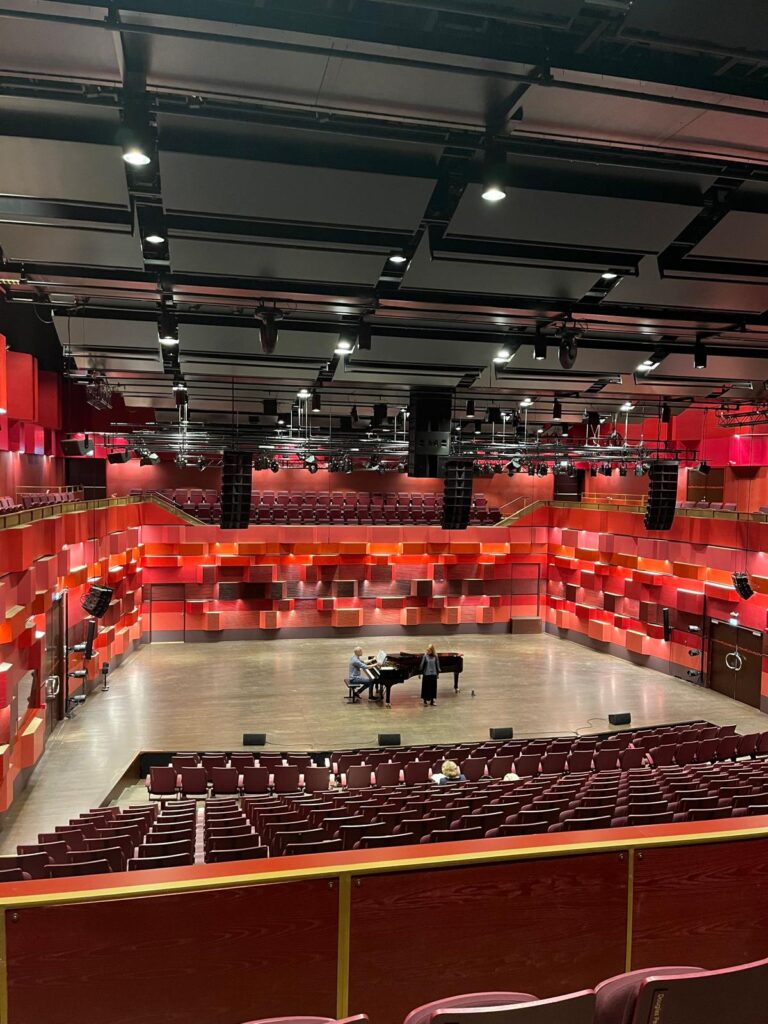
My own presentation, “Resonant Futures: Glimpses of What Matters in the Future of Music Education in Europe”, was part of a panel on discourse and power in education. The discussion that followed provided thoughtful feedback and opened new perspectives for linking music education more strongly to questions of sustainability, equity, and relationality.
What made the PEA experience so unique was not only its intellectual breadth but also its atmosphere: shared meals in gardens, lively exchanges during workshops, guided tours of exhibitions, and evenings spent reflecting on pedagogy and art in informal circles. This blending of scholarship, activism, and artistic practice made Merano the perfect backdrop—a place where the landscape itself seemed to echo the themes of transformation and interconnectedness.

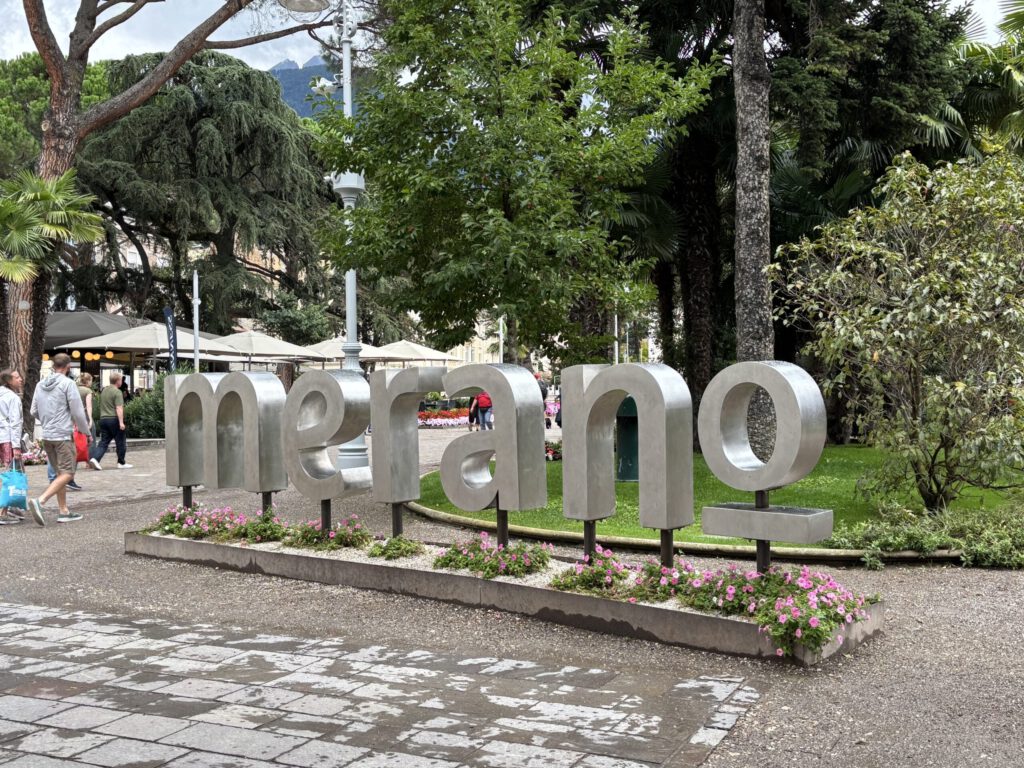
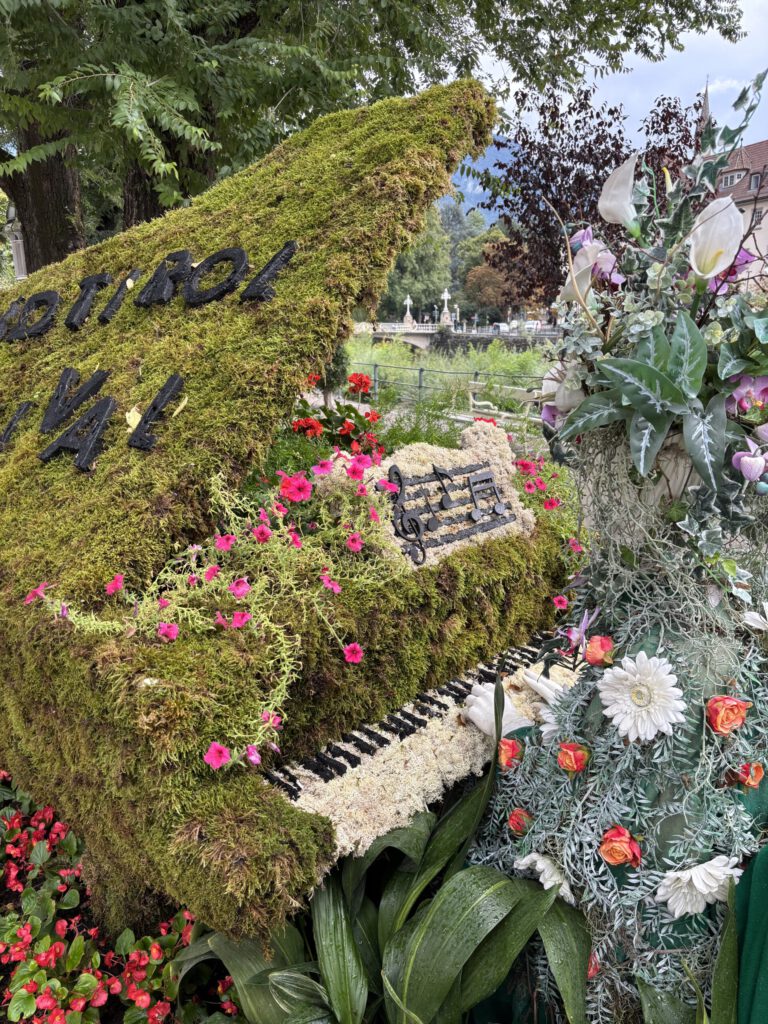
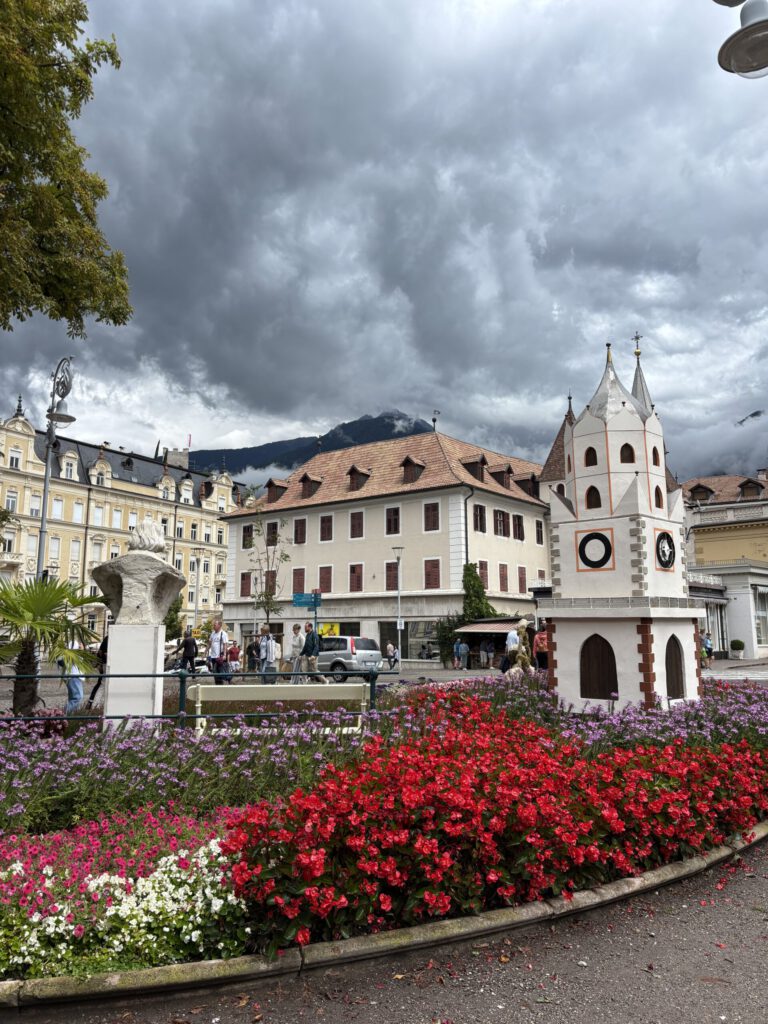
Equally memorable was the location itself: Merano, with its quiet and picturesque surroundings, turned out to be the perfect backdrop for research and reflection. Nestled between mountains and valleys, the town’s calm atmosphere and the nearby walking trails offered space to process ideas outdoors. The combination of natural beauty and intellectual exchange created an inspiring setting that encouraged both dialogue and contemplation.
Looking ahead, I am especially excited to contribute an article to the forthcoming conference book, which will be published open access next year. This volume will extend the conversations begun in Merano and make them accessible to a broader community.
Leaving Merano, I carried with me not just notes and ideas but also new networks. The PEA Conference showed me how powerful academic exchange can be when it is at once rigorous, critical, and deeply human—much like the winding path that led me there.
Finally, I would like to express my sincere gratitude to the Research Support at mdw for making my participation in the PEA Conference possible.