Erasmus+ Staff Mobility – My Stay at the Conservatorium van Amsterdam
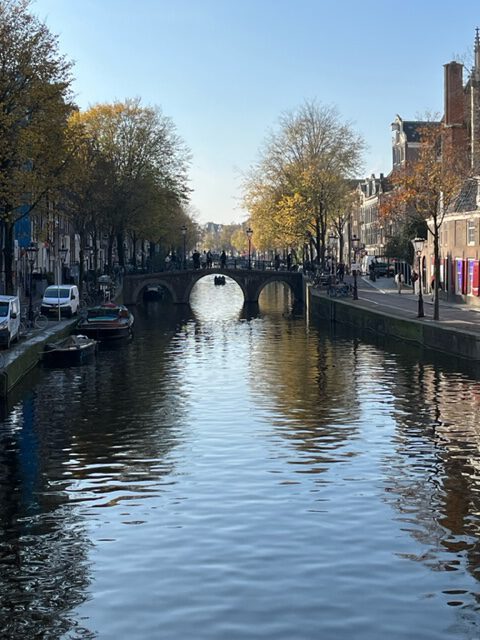
From 4 to 7 November 2025, I visited the Conservatorium van Amsterdam as part of the Erasmus+ Staff Mobility programme.
My first day began with a conversation with Raphaela Danksagmüller, head of the university’s Booking Agency and Lunch Concerts. This agency places students with event organisers all over Amsterdam—for performances in churches, museums, and concert halls, but also in social institutions. All engagements are paid, and through this experience, the students learn to plan professionally and to present and design a performance programme. Danksagmüller emphasises the importance of fair pay as a sign of respect for the work of the musicians.
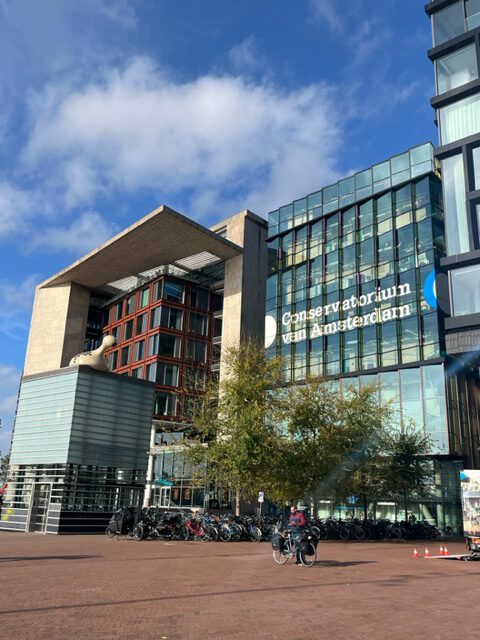
In the afternoon, Ruth Graf-Fleet, head of the Erasmus Office, showed me around the university’s impressive building. Particularly notable for me was the room management via a digital system and the how the rooms are accessed with a chip card—both systems ensure structure and security.
In the following days, I met with Bettina Lorsheijd, head of the Communications Department, who is currently working on a strategic reorientation of communication at the university. Her goal: The university should be perceived as being more open, accessible, and authentic. To this end, she focusses on storytelling and cooperation with the media instead of conventional advertising. Equally important for her is improving internal communication in order to involve the teaching staff more closely in strategic developments.
I spoke with Daan Kortekaas, Programme Coordinator of the Sweelinck Academy, about fostering young talent. He places special emphasis on chamber music, as it promotes a sense of community and musical cooperation—an approach very similar to our Talent Lab. He spoke openly about challenges such as financing and inequal instrument distribution, and we exchanged ideas and experiences.
Another meeting was with Britt van Klaveren, Production Leader Classical Department. I was impressed by the centrally organised event management: Projects are coordinated in a work group with all department heads; yearly programmes are agreed on and resources are thus efficiently utilised. This structured approach could serve as a model for the mdw in order to avoid schedule conflicts and overburdening the students.
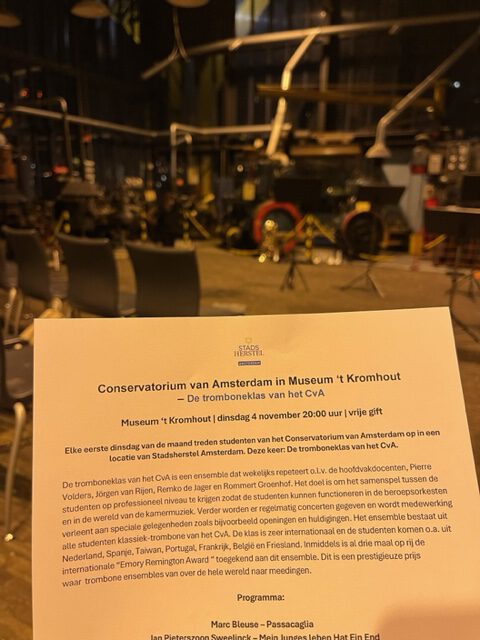
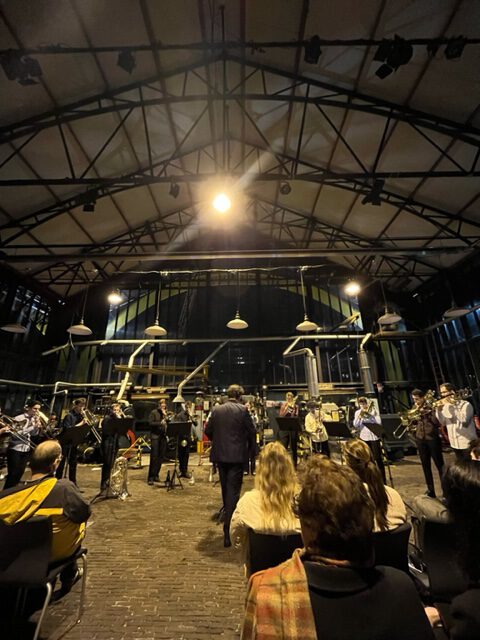
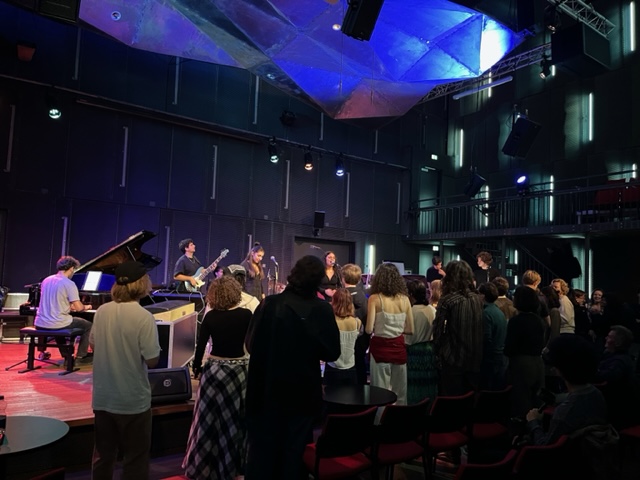
I was able to attend two very different concerts during my stay: a performance by a trombone ensemble at the t’Kromhout Museum and the Jazz Vocal Night organised by the Jazz Department—an exciting evening with vocals, original compositions, and spontaneous dancing.
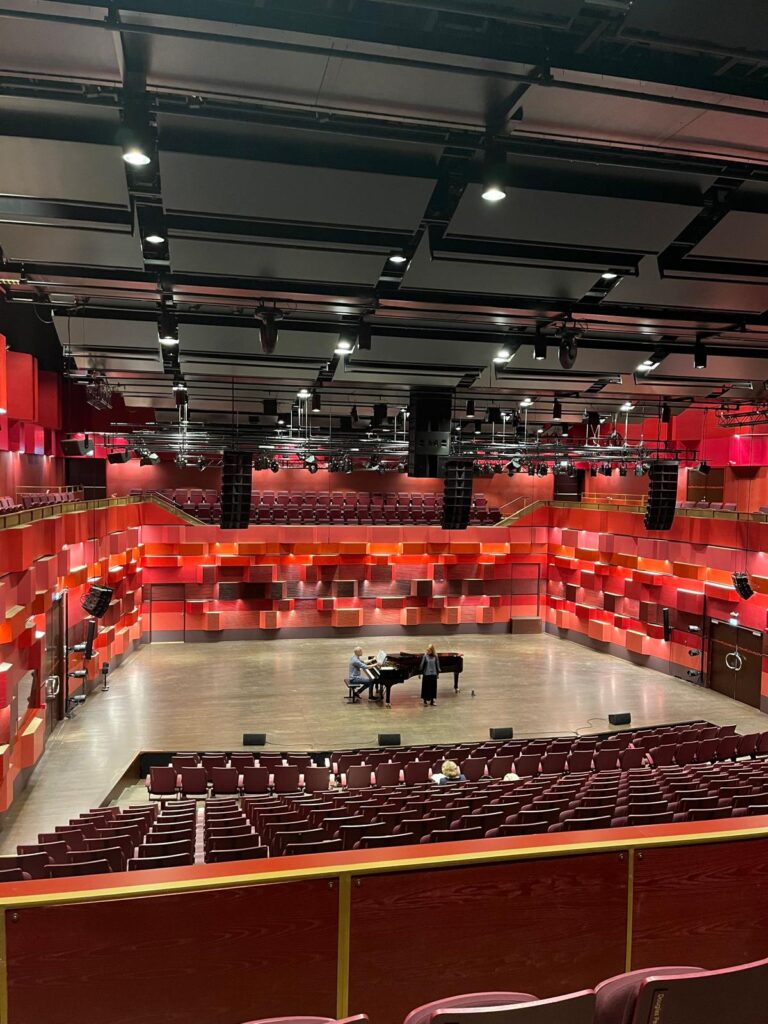
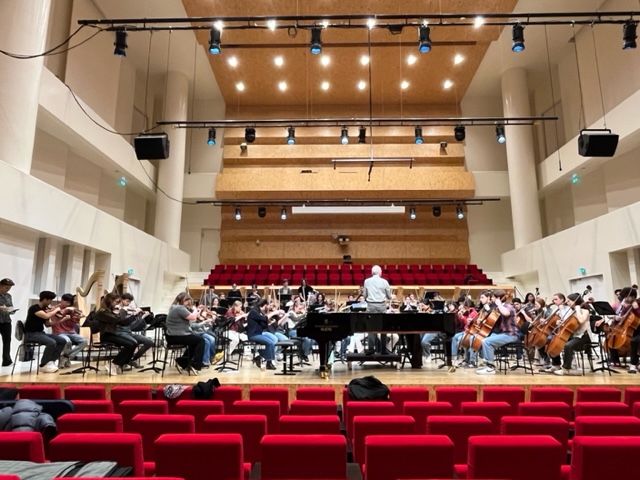
On my last day, I participated in an orchestra rehearsal for the “Philharmonic Fridays” project and spoke with Clara Brons, Producer Classical Music, about organisational challenges. Here, as well, the workload of the students was an important topic. A brief visit to the Sweelinck Baroque Orchestra rounded out my visit.
I can look back on four intense, inspiring days—full of insights, exchange, and valuable conversations. I would like to extend my sincere thanks to all colleagues at the Conservatorium van Amsterdam for their openness and their time. This stay was very enriching for me—professionally as well as personally.
Are you mdw staff and interested in visiting one of our partner institutions?