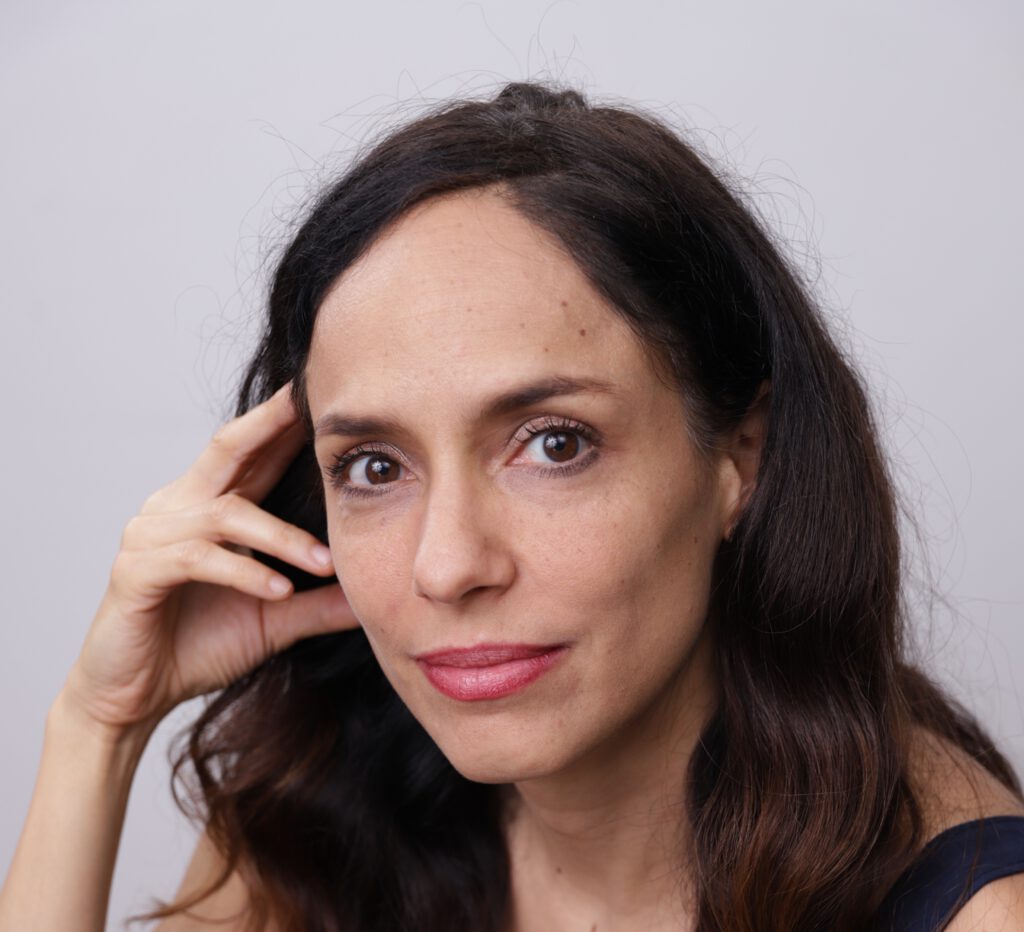
Georgian Music in Dialogue
Erasmus+ Teaching Mobility at the mdw
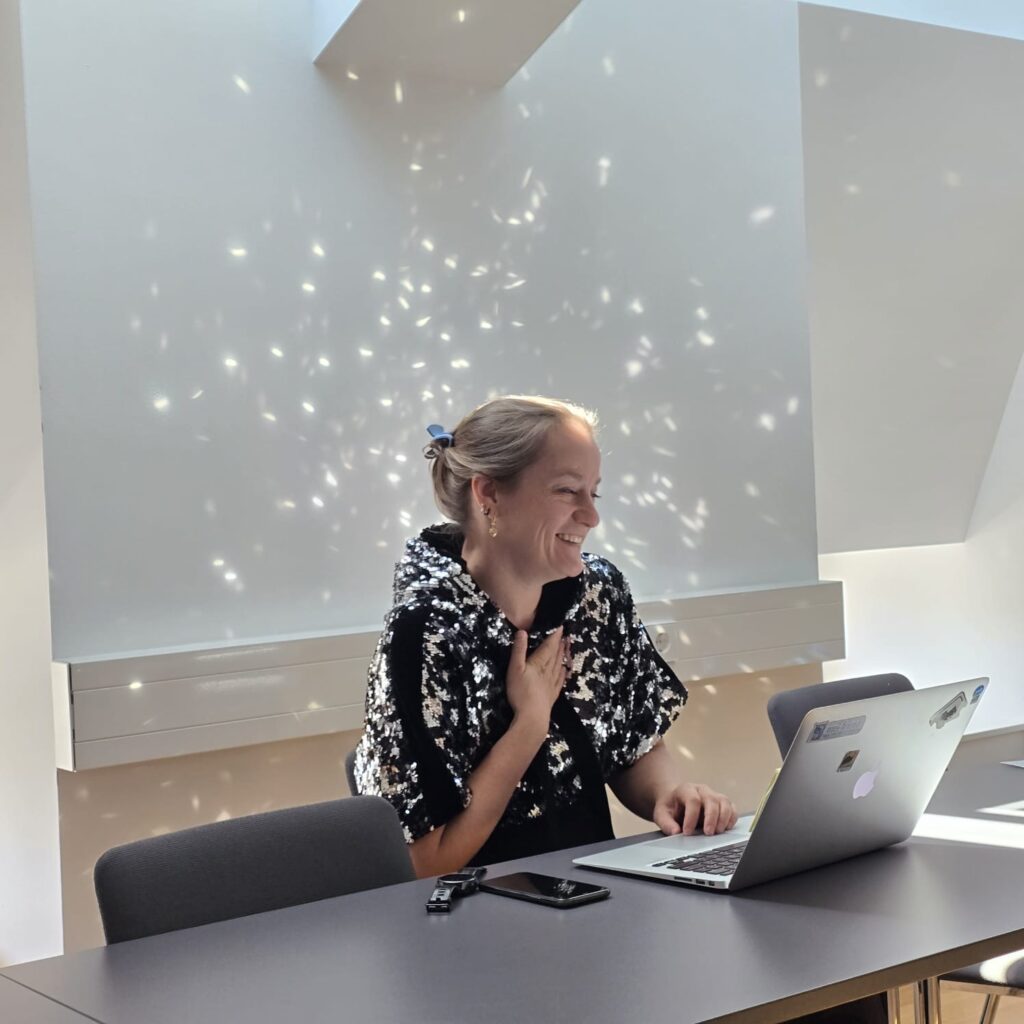
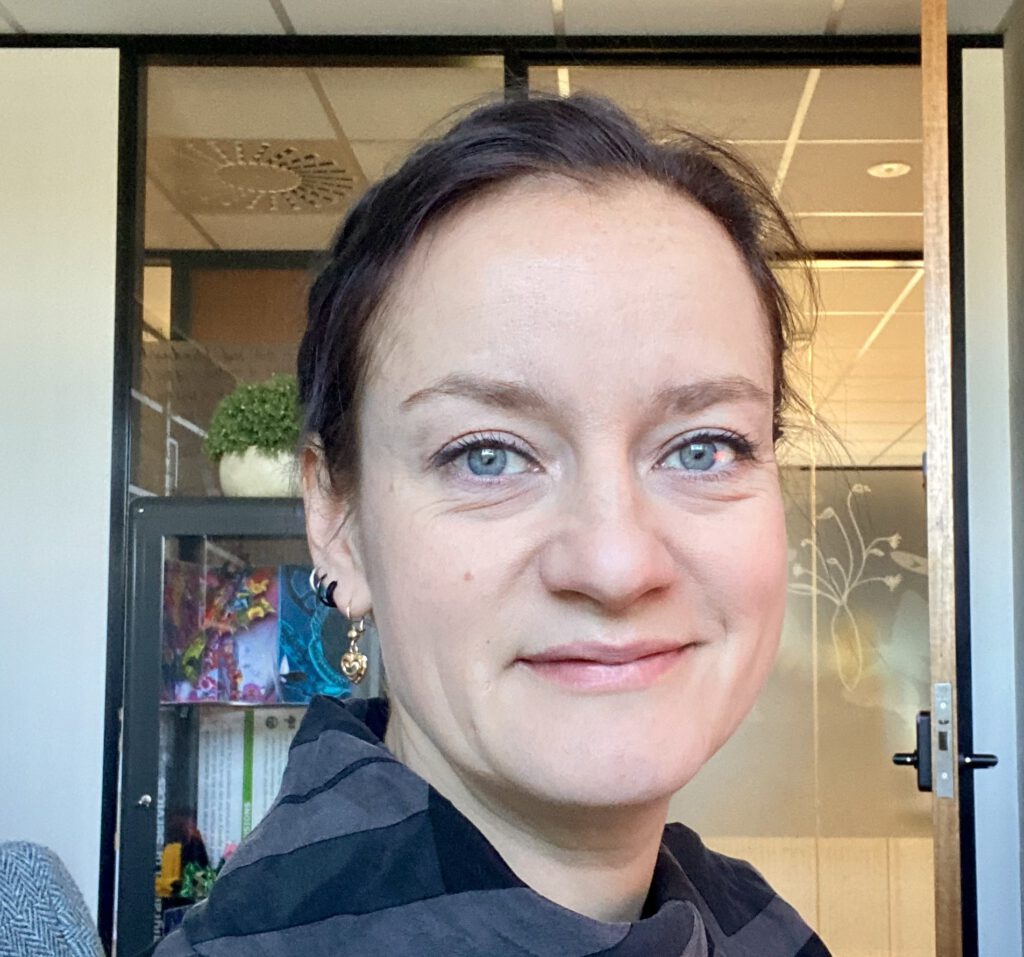
Maka Maya Virsaladze:
Vienna is often described as the Mecca of classical music — a place where one feels as though time itself shifts, where the legends of great musical traditions seem vividly present, and where music becomes not only sound, but a space that carries us across dimensions of history, memory, and imagination.
To arrive in this extraordinary environment — at the musical heart of Austria, the mdw — and to share my own creative work there was both a profound honour and a deep responsibility. I was truly nervous, aware of the symbolic weight of presenting my artistic voice in a city so deeply connected to the history of Western music.
From April 20 to 24, 2026, within the framework of the Erasmus+ Teaching Mobility programme, I visited the mdw together with Associate Professor Tamar Zhvania from the Vano Sarajishvili Tbilisi State Conservatoire.
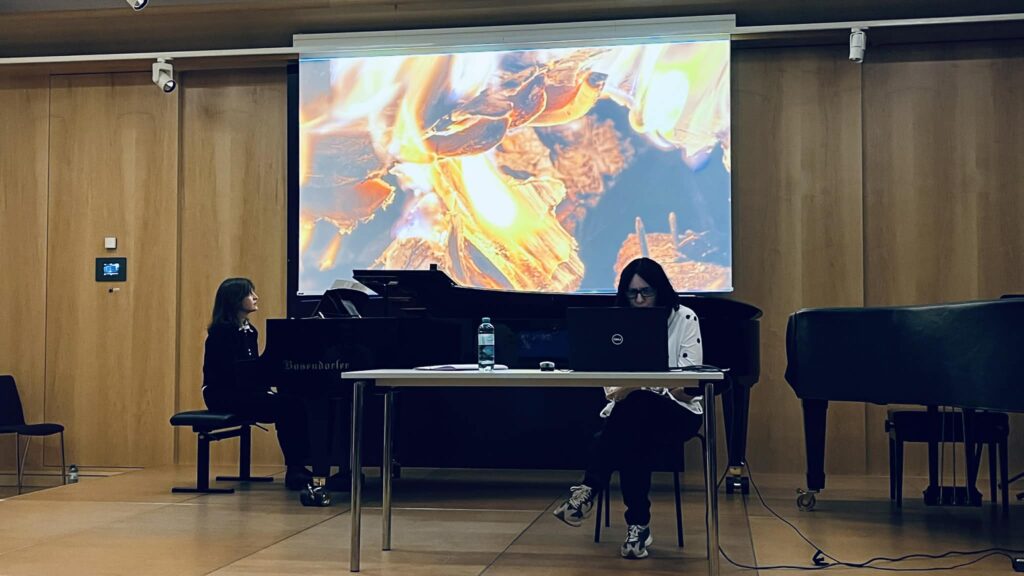
During this visit, I conducted five lectures for mdw performance students. Alongside presenting my own compositional work, I introduced aspects of 20th and 21st-century compositional techniques — including aleatorics, polystylistics, and eco-music methodologies — through examples drawn from Georgian music. For me, this was not only a pedagogical process, but also an opportunity to bring Georgian contemporary musical thought into an international academic context.
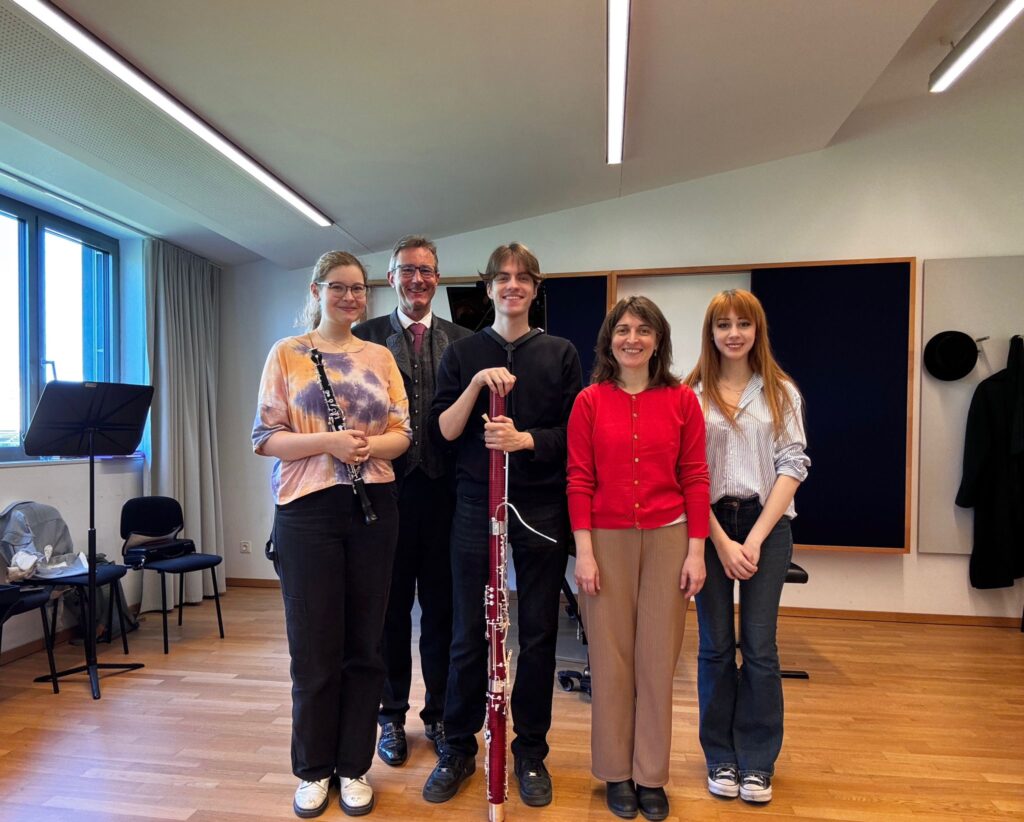
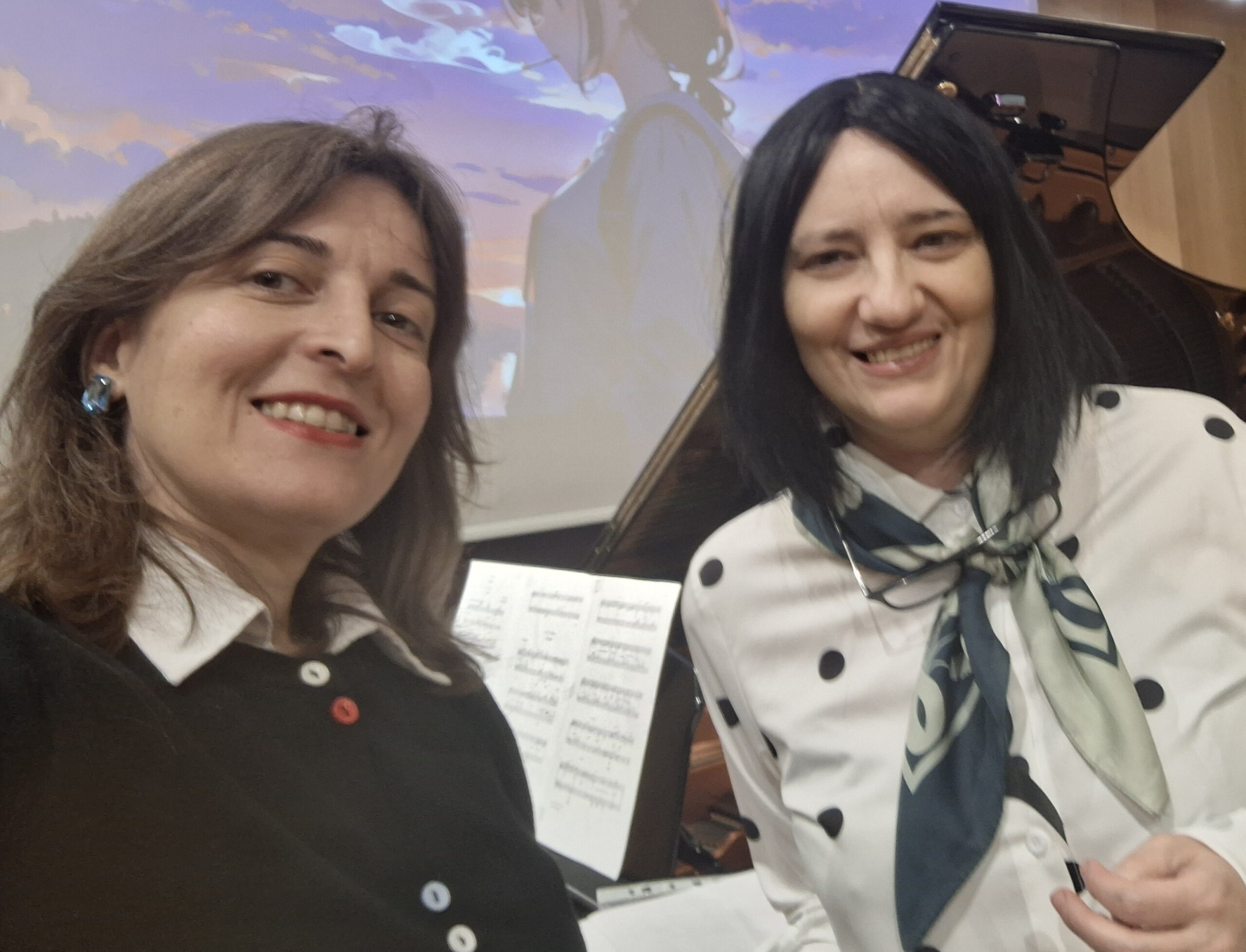
A particularly meaningful part of the visit was my Author’s Talk lecture-concert, dedicated to my own music. The concert programme featured my piano compositions, performed by pianist Tamar Zhvania, whose artistic sensitivity, professionalism, and musical depth gave these works a truly remarkable presence.
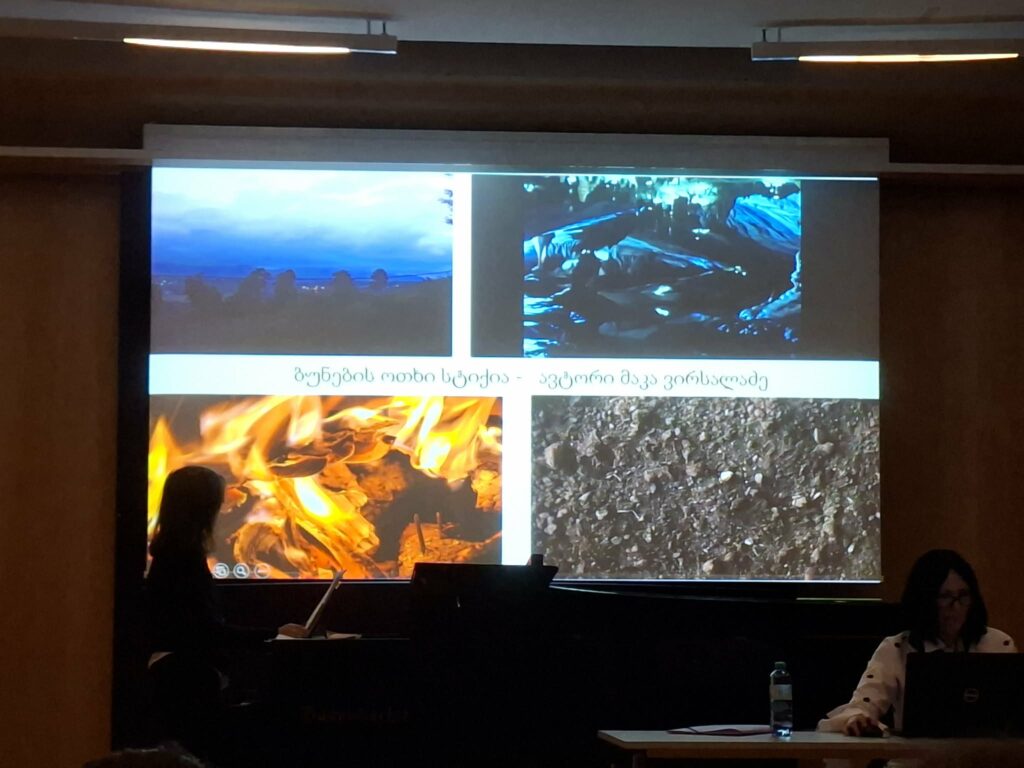
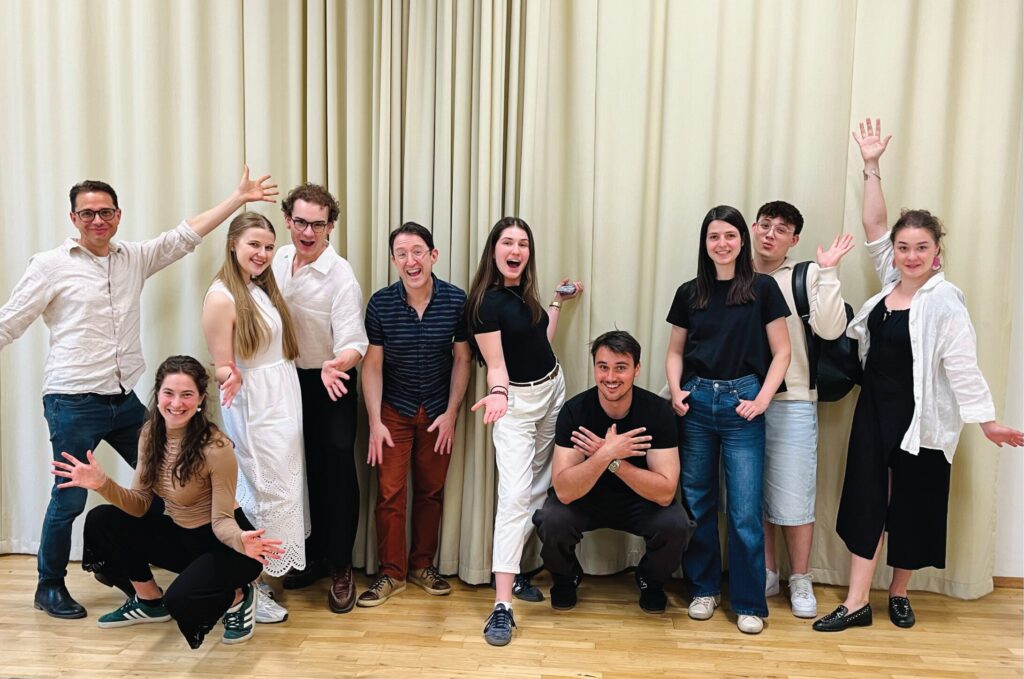
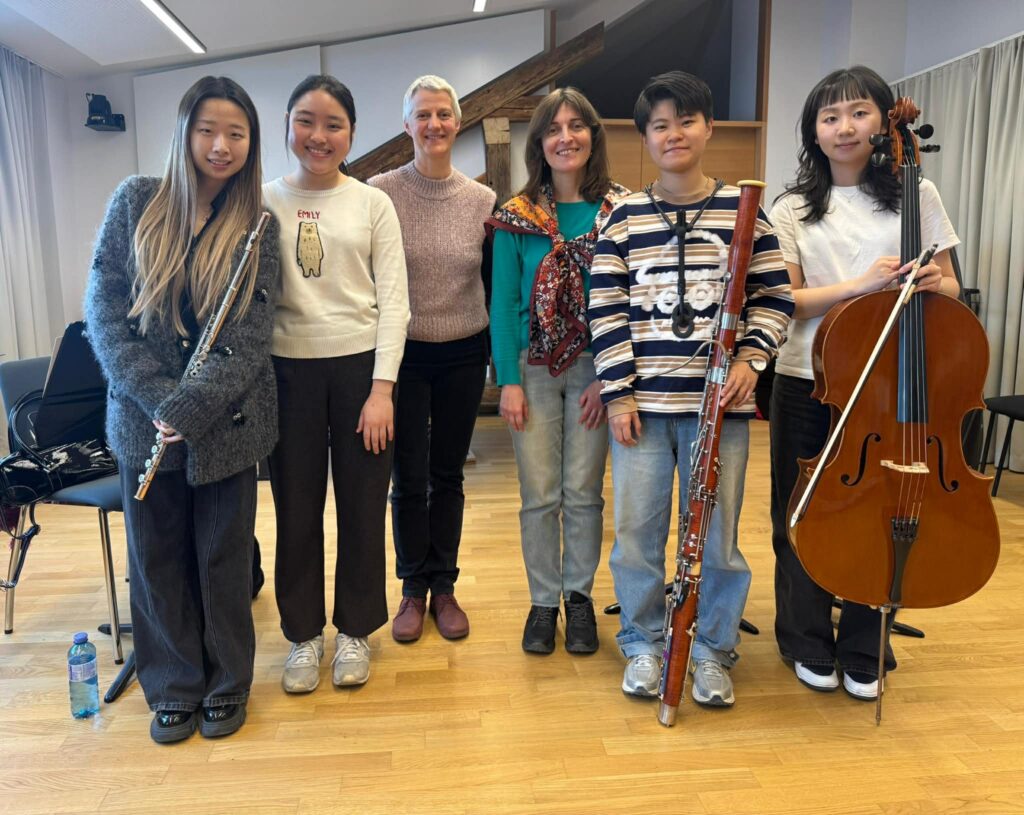
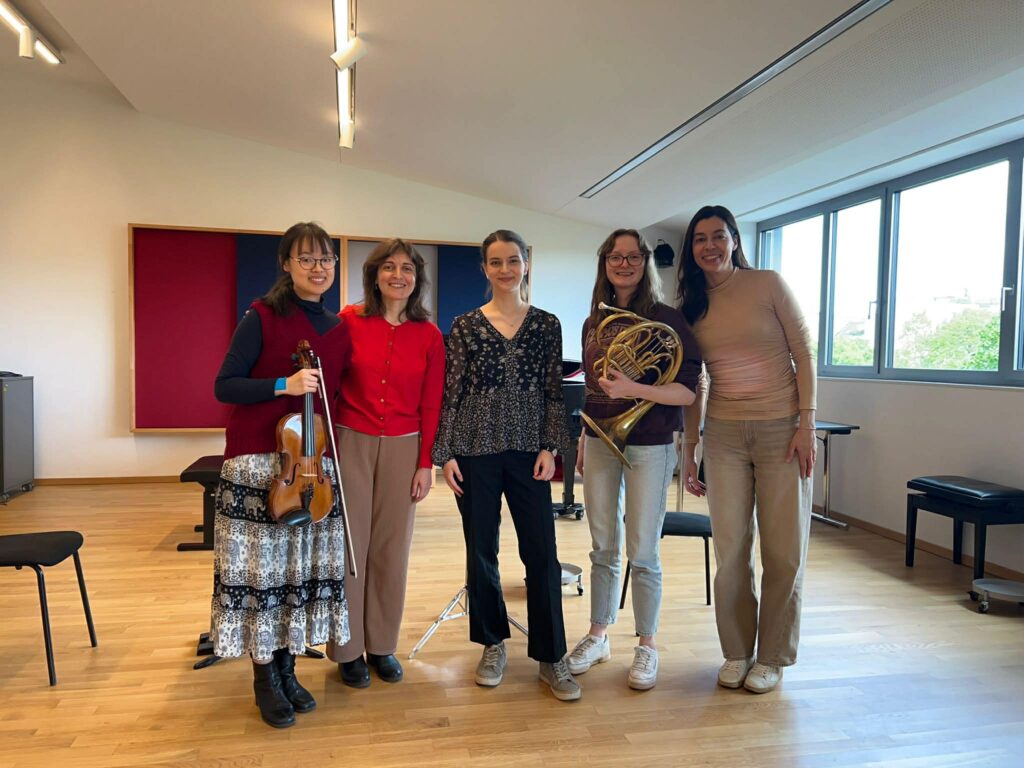
Beyond theoretical discussion, the visit also included practical composition sessions in which students engaged directly with compositional thinking, creative methods, and improvisational practice. These moments of exchange transformed lectures into dialogue — spaces where analysis, creativity, and performance intersected.
This initiative was made possible through the idea and invitation of composer and mdw lecturer Daniel Serrano García, whose generosity, thoughtful organisation, and sense of responsibility created an inspiring academic and artistic environment for us. I remain deeply grateful to him for this opportunity.
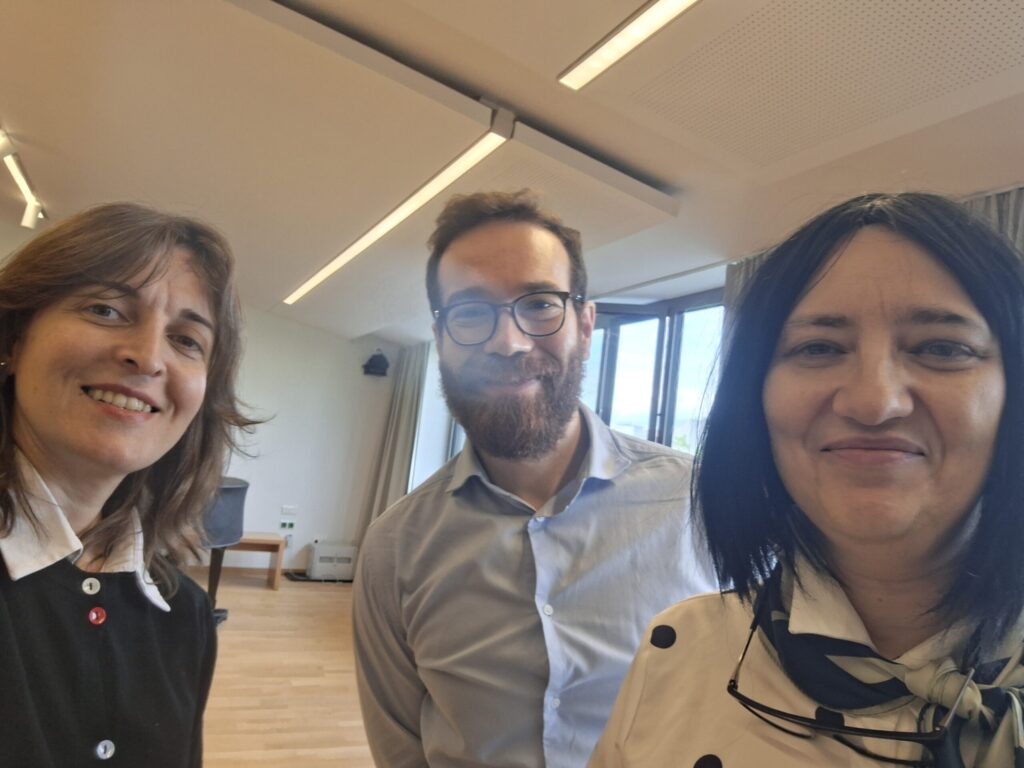
I would also like to sincerely thank the International Office of the mdw for the invitation and support, the mdw students for their curiosity, openness, and inspiring engagement, and the International Department of the Tbilisi State Conservatoire for its encouragement and assistance.
My special gratitude also goes to Tamar Zhvania, whose extraordinary professionalism and dedication were essential not only to the concert, but also to the broader artistic quality of this experience.
This journey reminded me once again that music transcends borders and time. It creates invisible yet powerful connections between people, cultures, and ideas — connections that remain long after the final sound has faded.
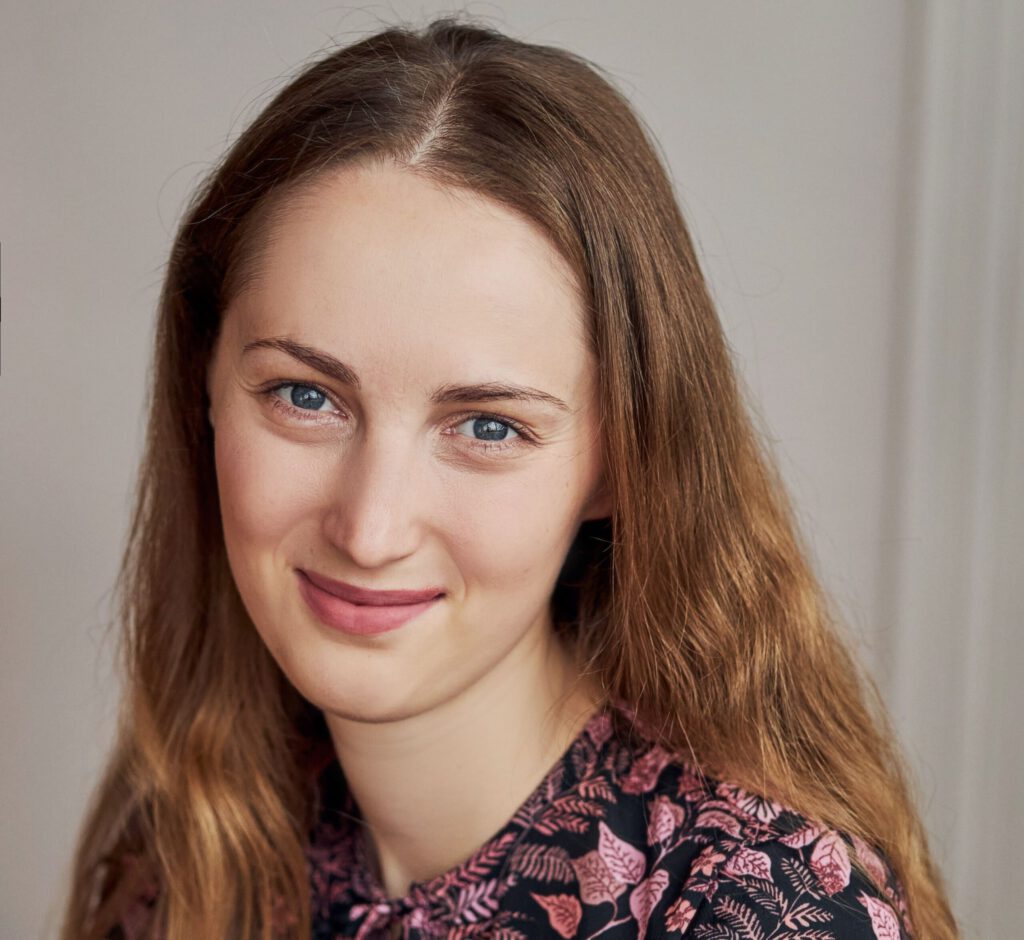
Tamar Zhvania:
It was a privilege for Georgian composer Maka Virsaladze and me, pianist Tamar Zhvania, to be invited by Daniel Serrano to present and perform Maka’s works at the mdw.
Alongside the performances, we gave lectures and masterclasses, sharing our experience with students. We are grateful for the warm reception and positive feedback, and extend special thanks to Petra Stump-Linshalm for organising my chamber music masterclasses and for being a wonderful host.
Are you a teacher from a non-EU country interested in an Erasmus+ visit at the mdw?