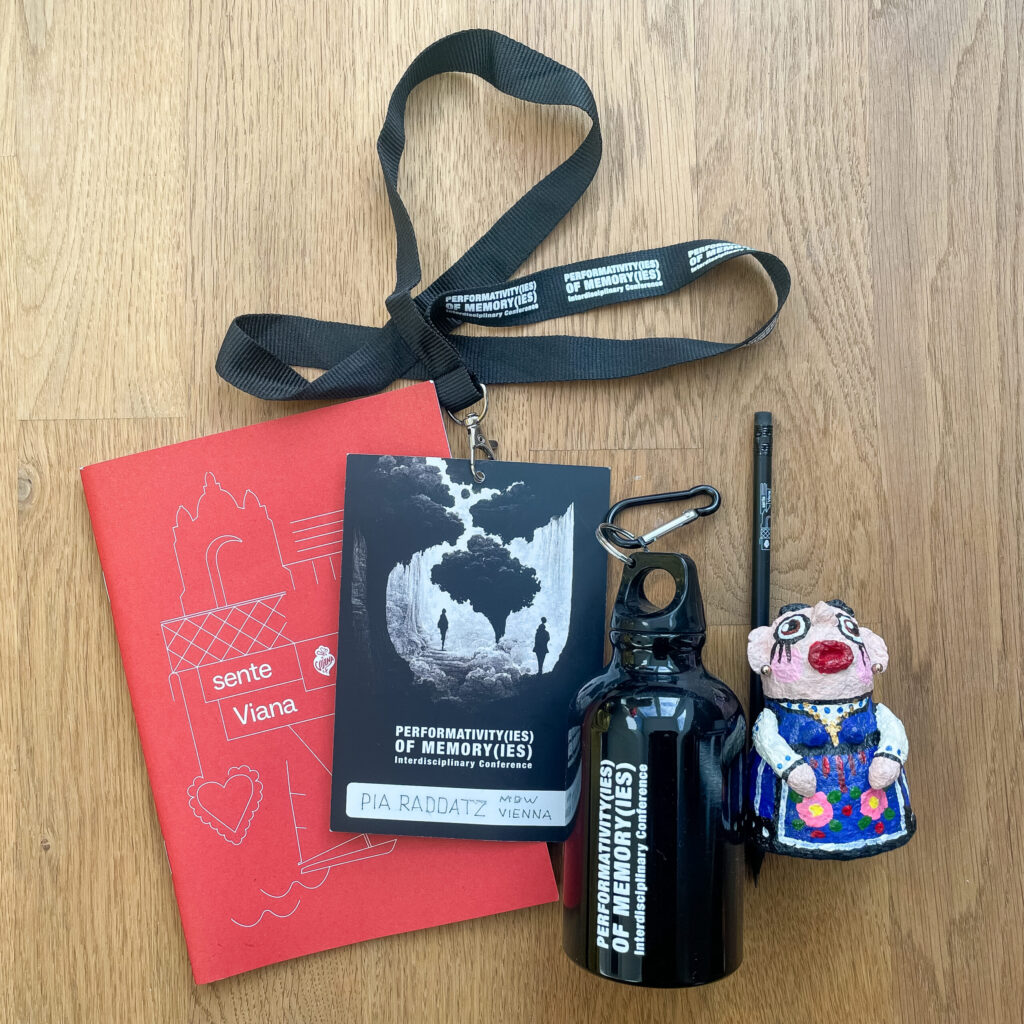
Performativity(ies) of Memory(ies) Interdisciplinary Conference
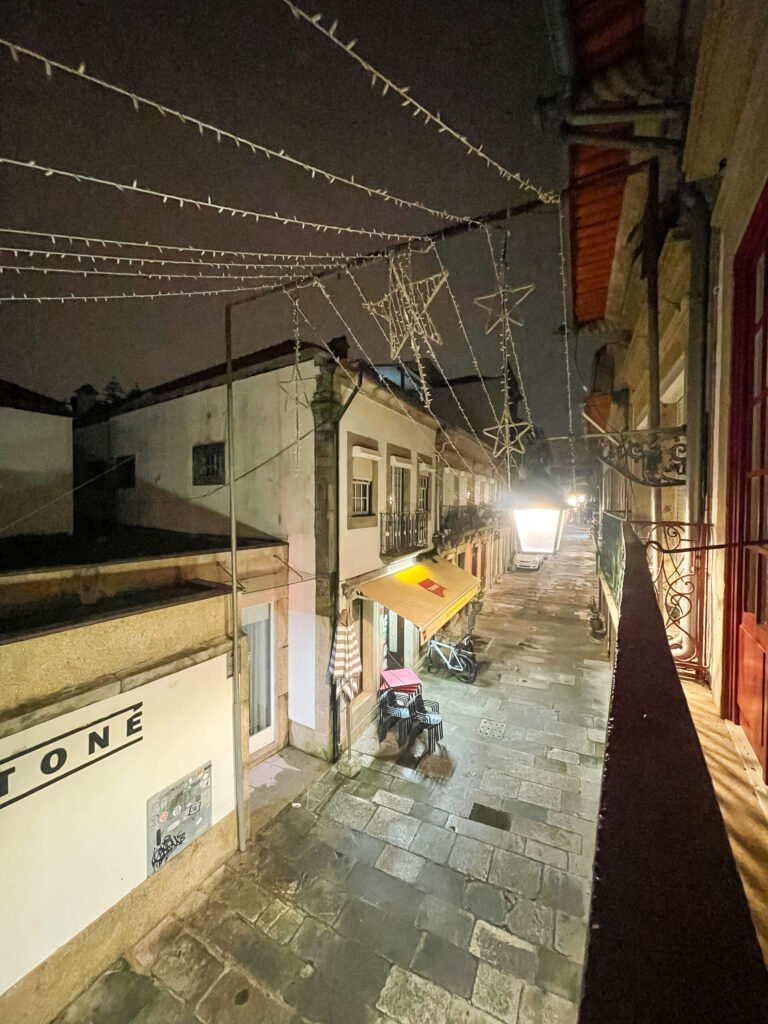
Viana do Castelo, Portugal
Organised by the ESE-IPVC School of Education of the Polytechnic Institute of Viana do Castelo, the ID+ Research Institute for Design Media and Culture, in cooperation with the IPCA Polytechnic University of Cávado and Ave, the Performativity(ies) of Memory(ies) Interdisciplinary Conference (PMIC) took place between October 23 and 24 2025 in Viana do Castelo, Portugal. Over the course of two days, eighteen sessions, seventy-one presentations and four keynotes, PMIC unfolded an interdisciplinary scope across artistic and scholarly research about the processes and relationships of vernacular, academic and artistic memory production (bodies, texts, sounds, images, narratives), as well as sites of their political and societal contestation.


Sarah Bay-Cheng’s (University of Toronto, Canada) introductory keynote on “The New Living Memories: Algorithmic Performances of the Past” kickstarted the conference addressing the AI-generated production of digital historiographies. Based on digital processing of large visual stock, Bay-Cheng pointed out in her presentation that such memories are constructed and performed as reenacting algorithmic memories; hence, archives act as performers or performance. With their performativity not necessarily grounded in facts, this new mode of memory construction, as Bay-Cheng showed, becomes a dramaturgy of data, a history of the computational stage, and machine-made memories. The subsequent performance in ESE-IPVC’s atrium by Patrícia Oliveira provided a contrasting grounding in songs and practices of regional traditional shepherding. The first day then continued with three parallel presentation sessions—hopping between the separate rooms helped to get to know and talk to presenters and attendees, as the discussions continued during lunch and coffee breaks, and contacts were exchanged in order to keep in touch after the conference.


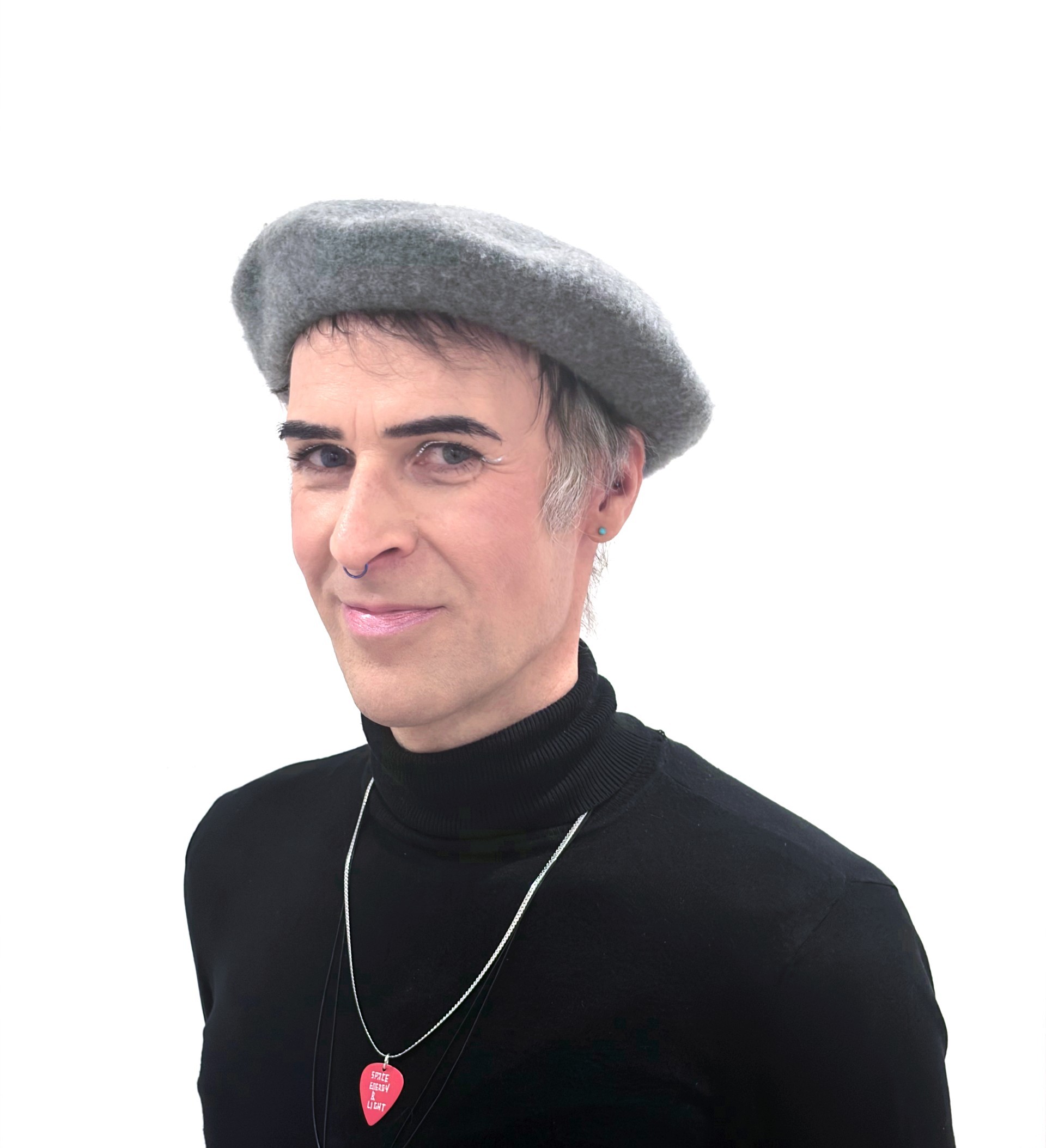
Day two started with a keynote by Eleni Ikoniadou (Aristotle University of Thessaloniki, Greece) on her fieldwork in resistant artistic production as a means of preserving culture as well as pre-conflict memories during times of war. I was glad to attend the presentations by the mdw’s Melanie Unseld (Department of Musicology and Performance Studies) and Magdalena Fürnkranz (ipop – Departement for Popular Music) on “Remembered and Performed Fe/Male Lives and Recreating Refractions of Bob Dylan: Cat Power Sings Dylan”, as I got to learn first-hand about both of their work and research interest. My presentation “Towards Unlearning cis-het Narratives in Popular Music History Discourse. Queer Theoretical Perspectives on Two Club Culture TV Documentaries” took place in a session along with critical input by Ana Pereira (“Who’s Afraid of Memory? Decolonization of Portugal’s Public Space”), Dzifa Peters (“Photography, Memory and Afrodiasporic Identities in the Context of Postmigration”), and Agata Chalupnik (“Can a Song be a Memory Site?”). In my feminist and queer theory-influenced music sociological presentation, the aim was to provide an introduction to the discourse and narrativisation of Electronic Dance Music historicisation and heritagisation as constructed and represented in two popular German club culture TV documentaries. The orientation provided by various popular music history and heritage discourses determines what is being presented as cultural memory, which hegemonical undercurrents are being carried on by this, and what is being passed on as popular music heritage to younger generations. This session’s subsequent Q&A addressed the challenges on a wider social and political scale, but also within academia and its curriculums. Overall, I was quite happy with the feedback, and I particularly enjoyed the academic exchange later in a broader group of conference presenters.

Over the course of two days, I had the chance to attend twenty-two presentations across many disciplines, three keynotes, and the supporting performances and screenings. Overall, the scope of presentation themes of the conference was quite broad, which was acknowledged and appreciated by all participants I had the chance to talk to. A number of presentations provided valuable input for my doctoral research, while others pointed to topics of potential interest in the future. Attending this conference again proved the importance of keeping abreast with current research, of learning theoretical frameworks and methodology in and outside of one’s own academic discipline. Representing affiliated institutions on conferences as well is an important part of academic work, just as raising awareness on behalf of your own research and topics is. Proactive networking with other researchers provides valuable insights on various universities and other institutions, which might be of interest at some point in our future careers. With all that being said, I am deeply grateful to mdw’s Research Support Office and its International Mobility for Early-stage Researchers programme (ESR), as well as to the Department of Music Sociology, for making my conference participation possible. Thank you!