Jazz Across Continents
The mdw at the 2026 IASJ Jazz Meeting in Ulaanbaatar
For one week, Ulaanbaatar became a meeting place for the global jazz community. At the 36th IASJ Jazz Meeting, students and faculty from many countries performed, learned, and exchanged ideas. The mdw was represented by a delegation of three students and two faculty members.
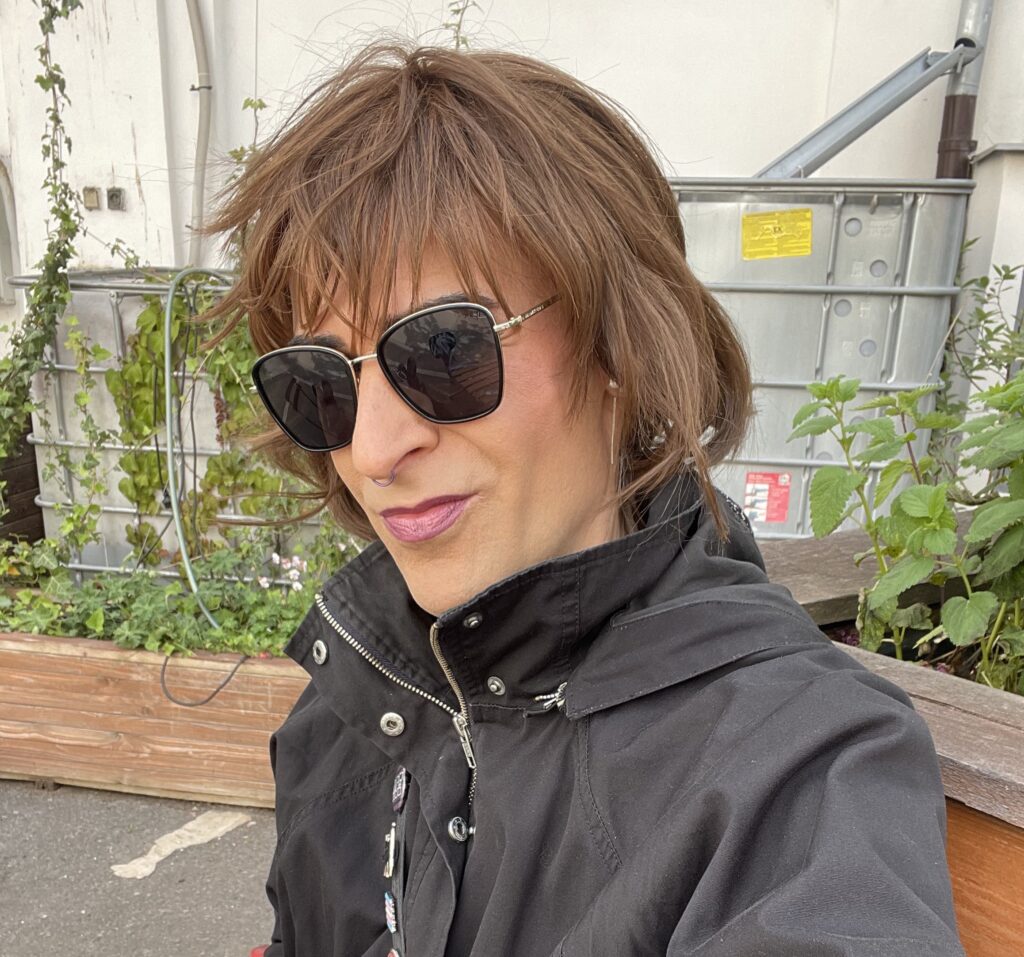
The mdw delegation set out on Saturday, 4 July 2026, traveling to Ulaanbaatar via Copenhagen and Beijing. The group included students Alexander Vounelakos (piano), Jakob Schweitzer (alto saxophone), and Gavriil Kompas (guitar), as well as faculty members David Panzl and me. As the official head of the delegation, I also represented the mdw at the institutional level throughout the meeting.
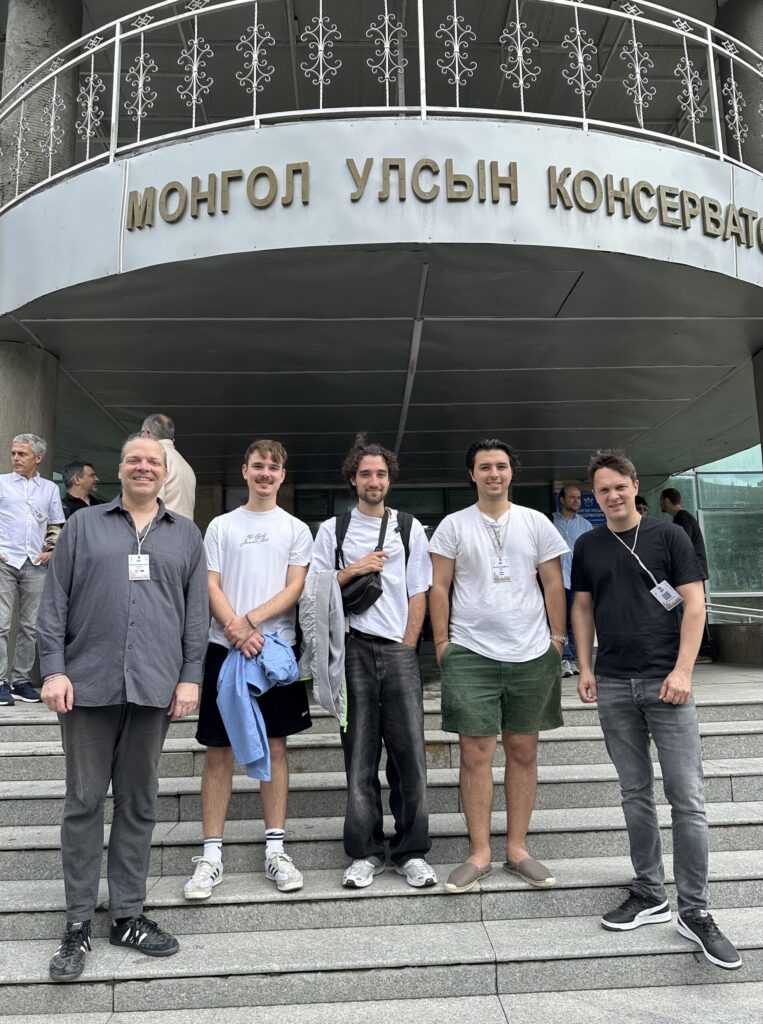
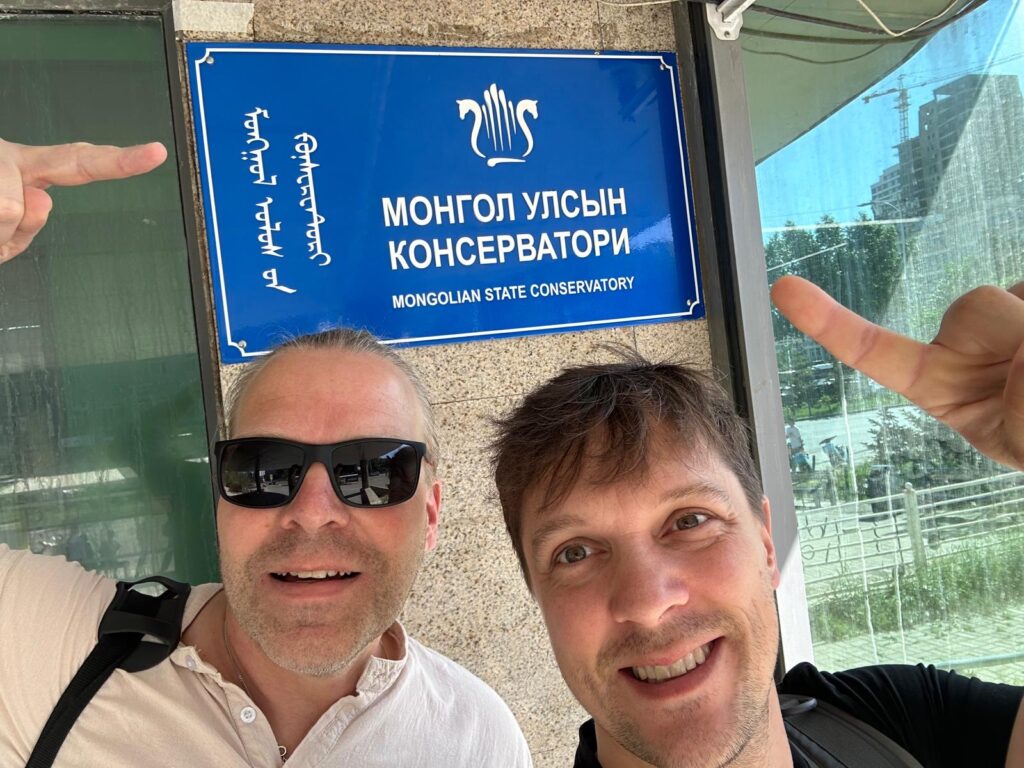
Markus Geiselhart, Jakob Schweitzer, Alexander Vounelakos, Gavriil Kompas, and David Panzl (from left).
Jazz as a Shared Language
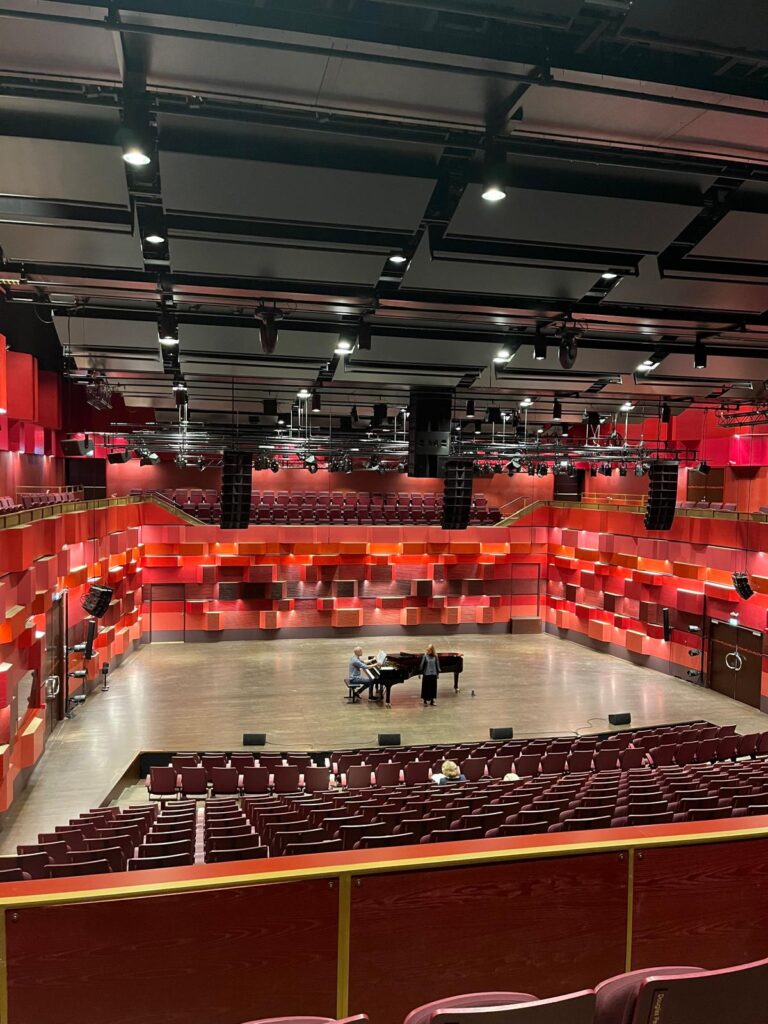
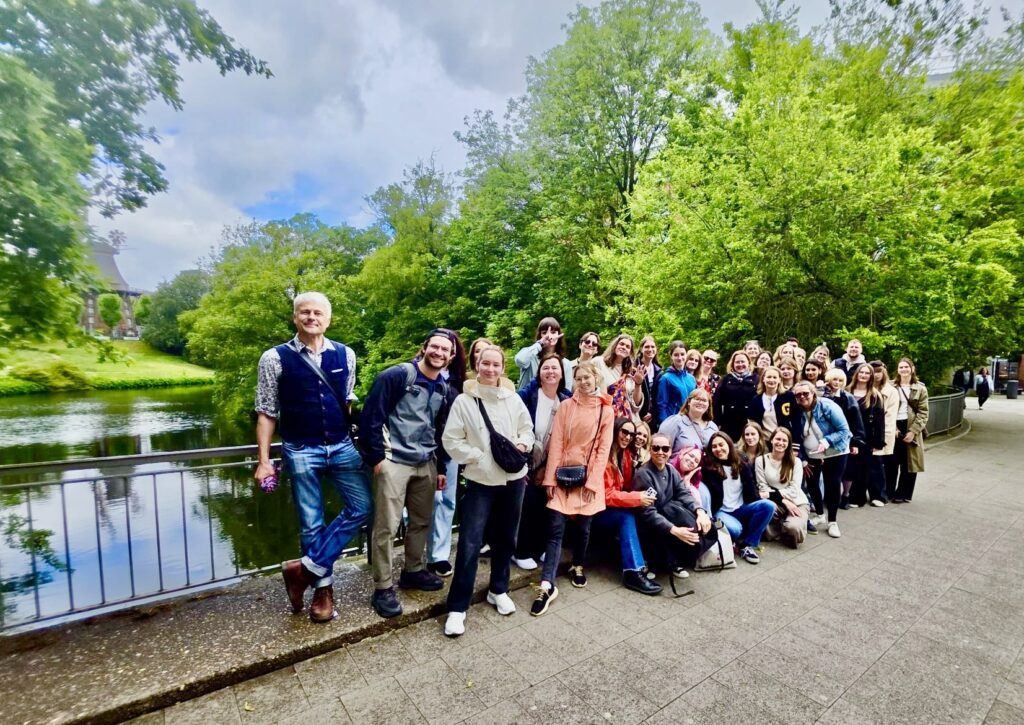
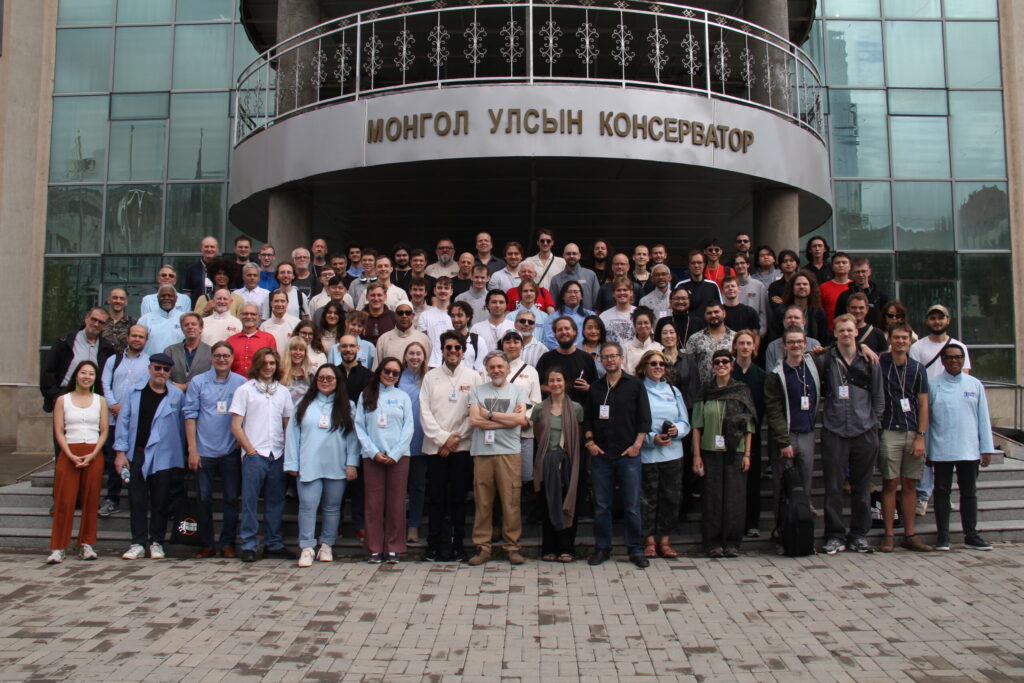
The Jazz Meeting took place from 6 to 11 July at the Mongolian State Conservatory and was hosted by JazzLab NGO together with the conservatory. As the first IASJ meeting held in Asia, it was a milestone both musically and geographically. Panamanian pianist, composer, and educator Danilo Pérez served as Artist in Residence. His morning gatherings, master class, and visits to the international combos helped shape the week’s collaborative spirit.
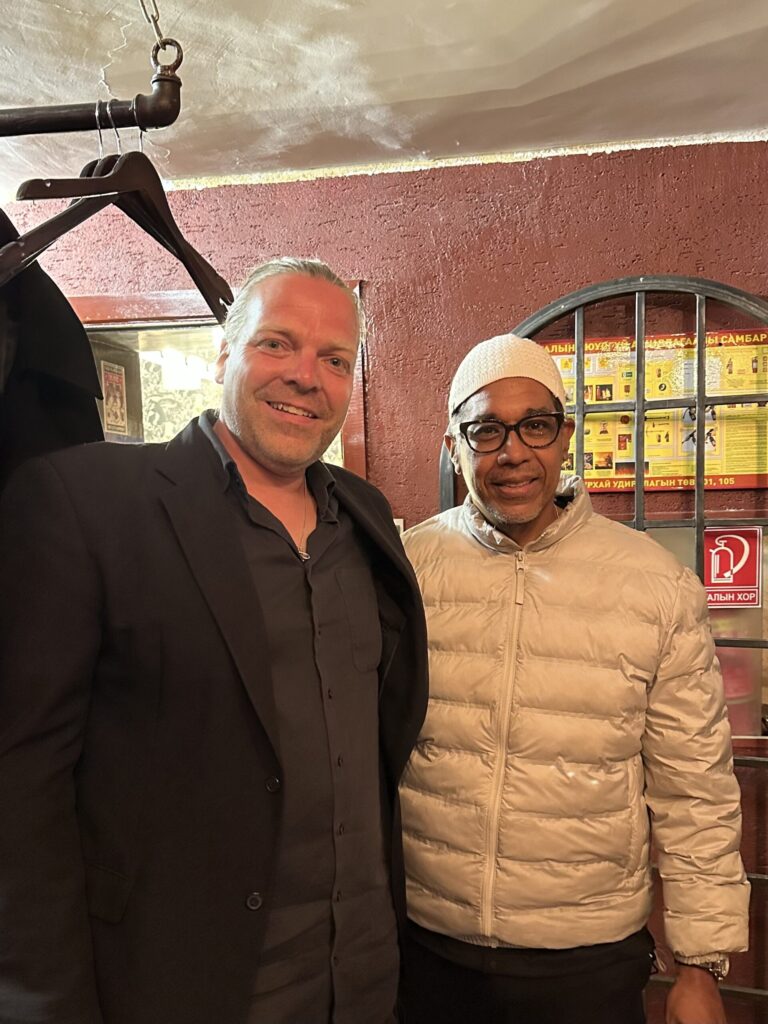
The schedule combined artistic practice, educational exchange, and international networking. Masterclasses, presentations, and panel discussions were complemented by daily rehearsals, concerts, and evening jam sessions at several venues in central Ulaanbaatar. A traditional concert, a reception hosted by European, German, and Canadian representatives, and shared meals offered additional perspectives on the host country.
International Combos and Intensive Ensemble Work
Alexander Vounelakos, Jakob Schweitzer, and Gavriil Kompas were assigned to international combos for the entire week. Working with musicians from different educational and musical backgrounds, they prepared a concert set featuring original compositions while also engaging with Mongolian repertoire. The process called for openness, quick musical communication, and a willingness to shape different artistic ideas into a cohesive ensemble sound.
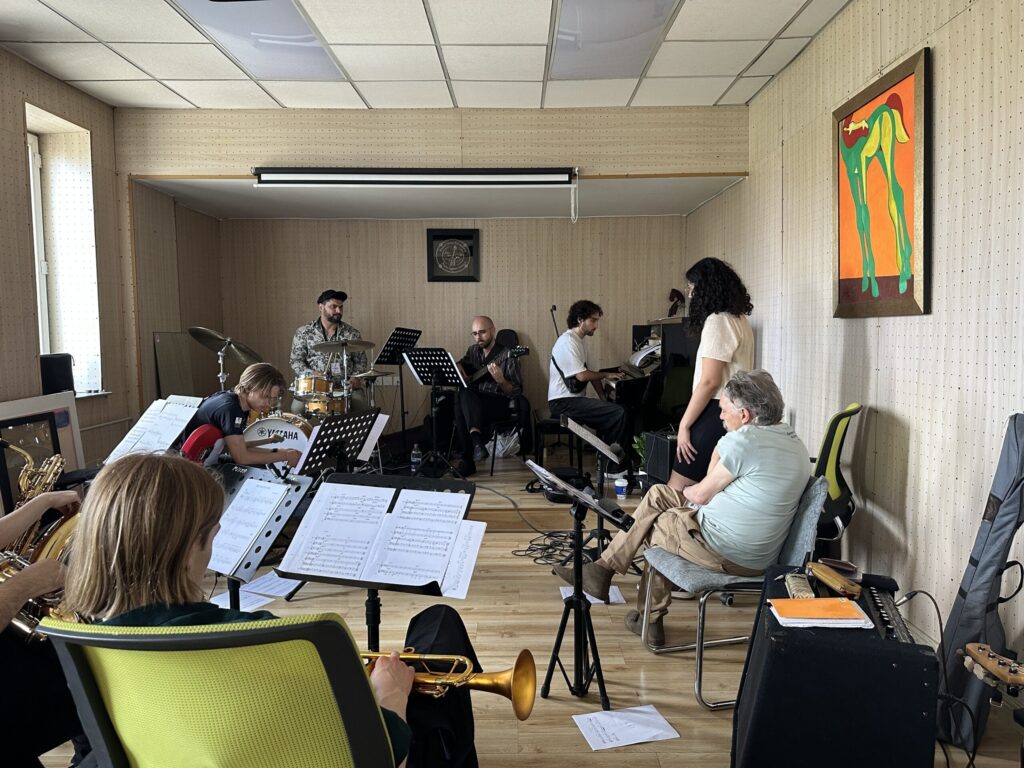
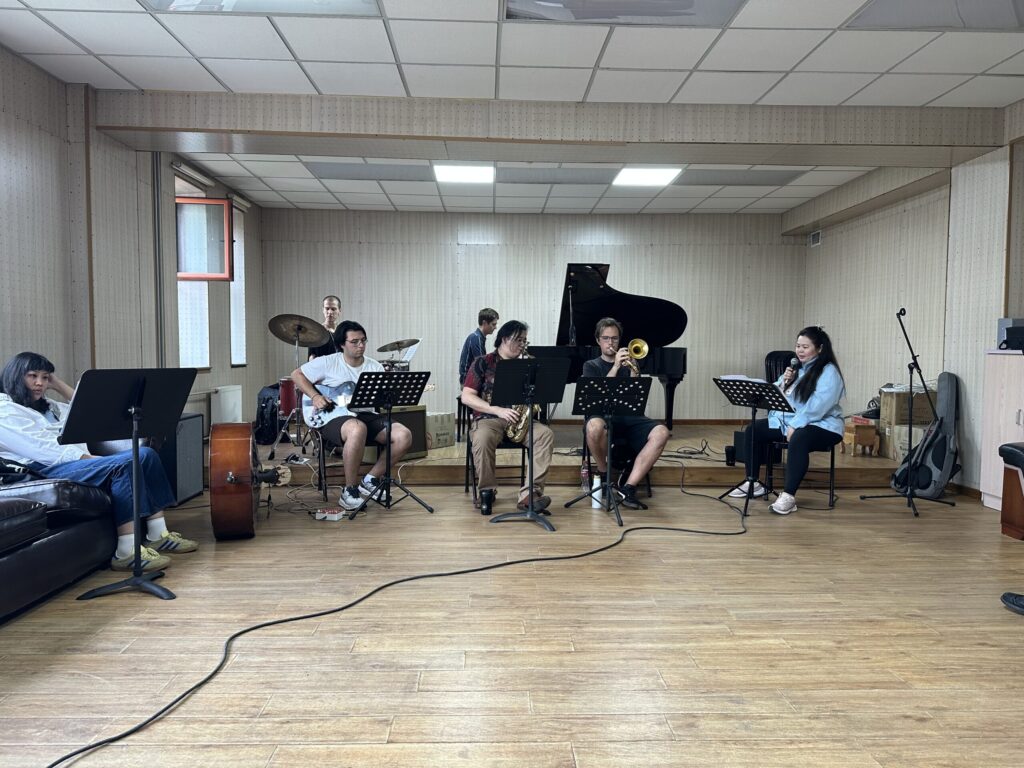
Throughout the week, David Panzl and me contributed to combo rehearsals as co-coaches. The direct exchange in the rehearsal room made the range of musical approaches immediately tangible. Coaching was less about one-way instruction than about exploring sound, interplay, interpretation, and improvisation together.
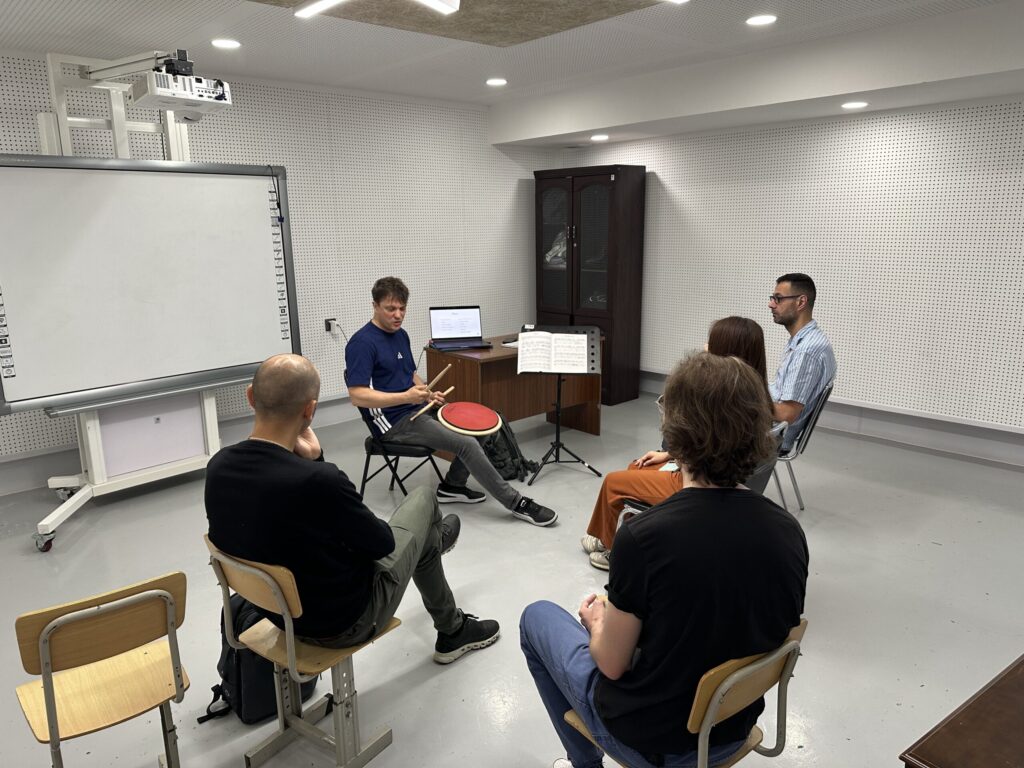
Panzl also contributed his own session on modern approaches to rudimental drumming. As delegation head, I attended the IASJ General Assembly on Friday and cast the mdw’s vote. The university was therefore represented not only in the artistic and educational programme, but also in the international governance of the network.
Connections Beyond the Rehearsal Room
An essential part of the IASJ Jazz Meeting began after the official daytime programme. Several jam sessions took place each evening, bringing together students, faculty, and musicians from Mongolia’s jazz scene in constantly changing lineups. These sessions gave the mdw students additional opportunities to build connections, test new musical ideas in the moment, and perform in an international setting.
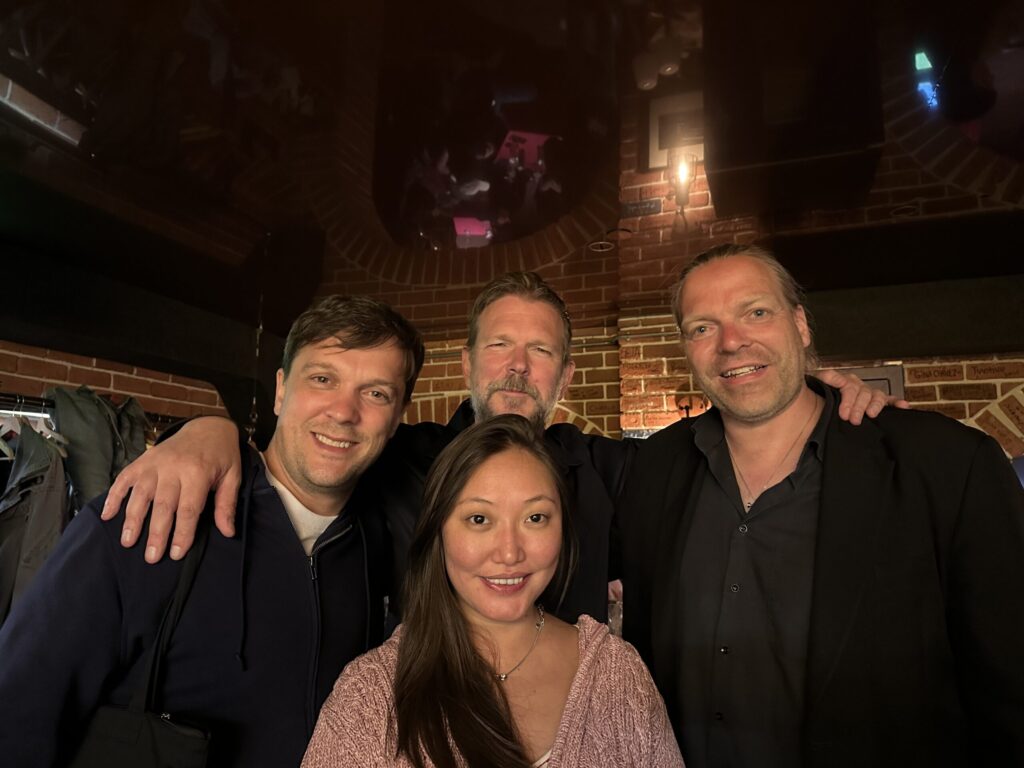
The welcoming atmosphere and the extraordinary commitment of the organising team were central to the success of the week. Many of the most memorable encounters happened between rehearsals, over shared meals, on the way to venues, or late at night during the jam sessions.
Final Concerts and Certificates
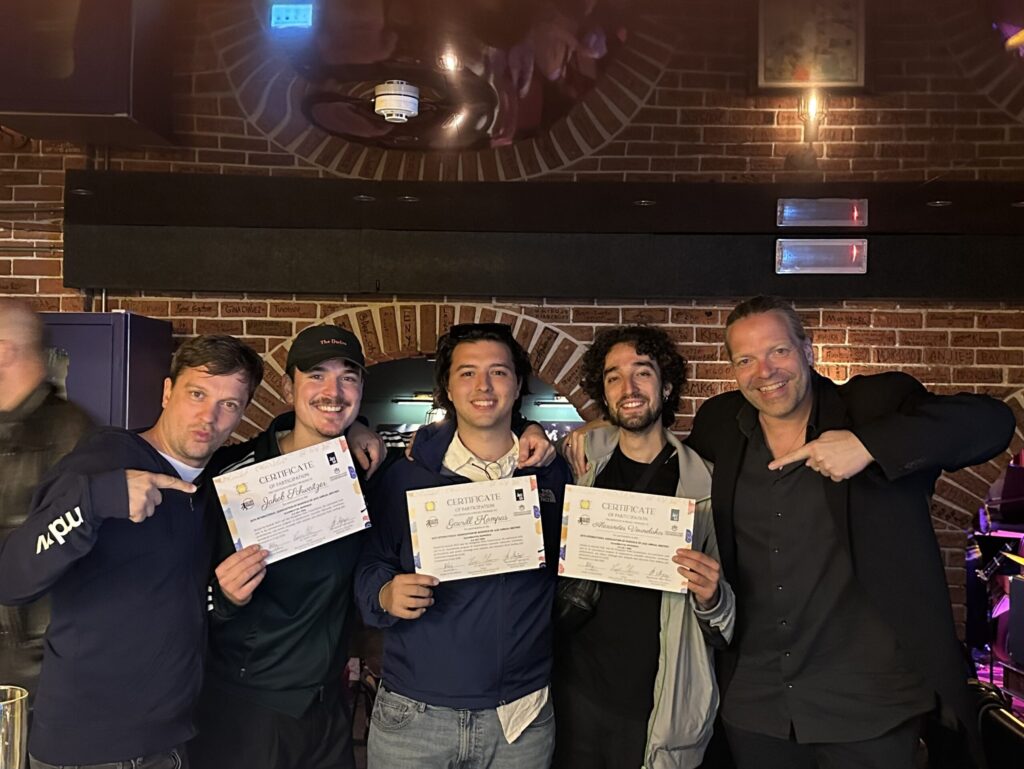
On Saturday, the international combos presented the programmes they had developed during the week. These final performances were the artistic high point of an intensive experience. At the close of the meeting, Alexander Vounelakos, Jakob Schweitzer, and Gavriil Kompas received official certificates of participation.
A Glimpse of the Mongolian Steppe
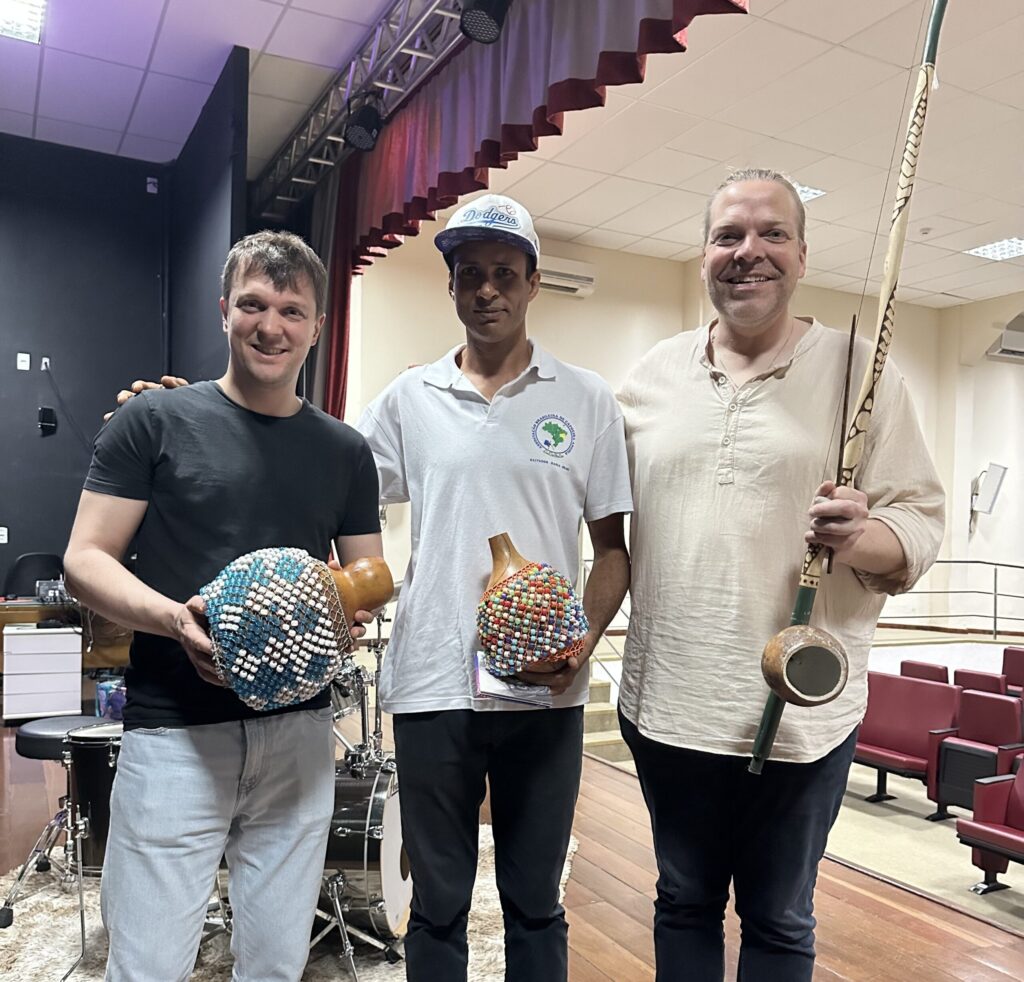
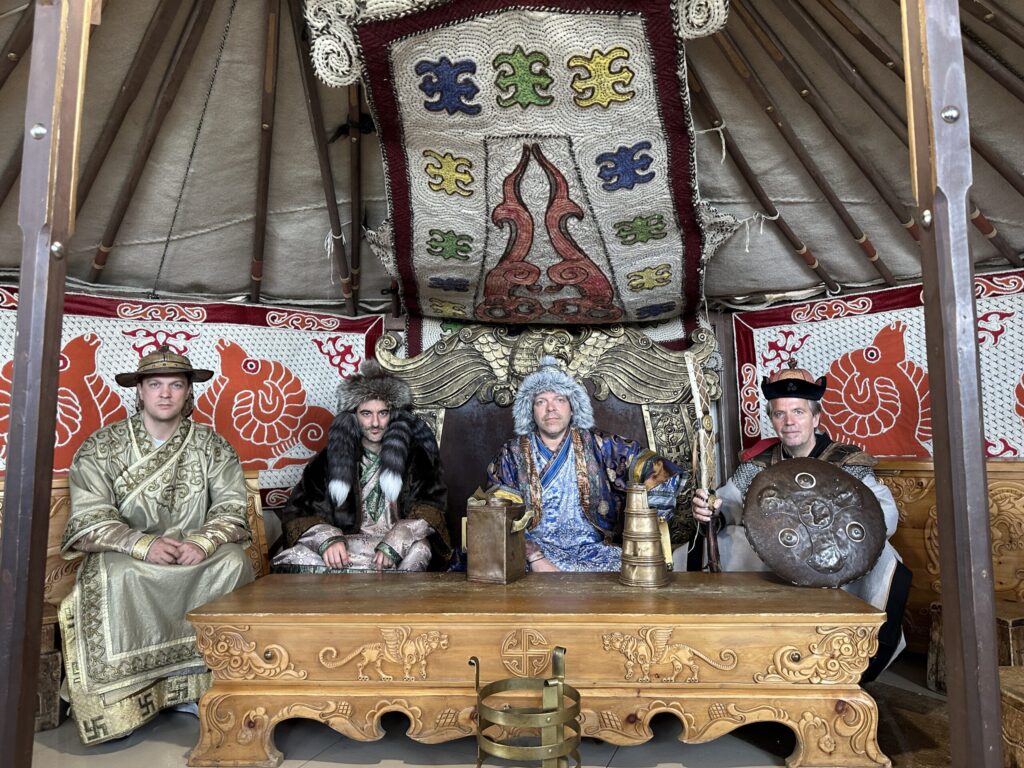
On the delegation’s final day in Mongolia, David Panzl and me joined Néstor Giménez of the Escola Superior de Música de Catalunya (ESMUC) Barcelona and Marcus Ratka, rector of the JAM MUSIC LAB Private University for Jazz and Popular Music Vienna, for an excursion that began at the monumental equestrian statue of Genghis Khan.
From there, the group continued into the vast Mongolian steppe. Over a traditional Mongolian meal, we learned more about the country’s ways of life and cultural traditions. After an intensive week of music-making in Ulaanbaatar, the excursion offered a different perspective on Mongolia and brought the visit to a memorable close.
A Final Stop in Beijing
The delegation began its return trip to Vienna via Beijing on 12 July. With a seven-hour layover, we took the opportunity to visit the city together. A final dinner with the students offered time to reflect on the journey before the flight back to Vienna.
Lasting Impact and Evaluation
Following the trip, the mdw delegation took part in a structured evaluation. All three students and both faculty members reflected on the artistic and personal value of the experience, international networking, combo work, and the organisational framework of the Jazz Meeting.
EVALUATION FINDINGS
The feedback confirms the considerable value of participating in the Jazz Meeting. Respondents particularly emphasized the encounters with musicians and faculty from many countries, the experience of performing in international ensembles, the evening jam sessions, and the wide range of new artistic ideas.
The Jazz Meeting also proved especially valuable for the mdw’s international network. The evaluation findings will be used internally to prepare future delegations and further develop international partnerships.
Music, Exchange, and New Perspectives
The trip to Ulaanbaatar offered a vivid demonstration of what the IASJ network represents: jazz as a shared language that connects people across institutional, cultural, and geographic boundaries. For the students, the experience provided intensive ensemble work, international performance opportunities, and new personal connections. For the participating faculty and the mdw, it opened valuable perspectives for professional exchange and future collaboration.
Photos: Markus Geiselhart & IASJ