Exploring Contemporary Harpsichord Music in Karlsruhe
A Unique Experience
Shifting perspectives: The harpsichord in a musicological context
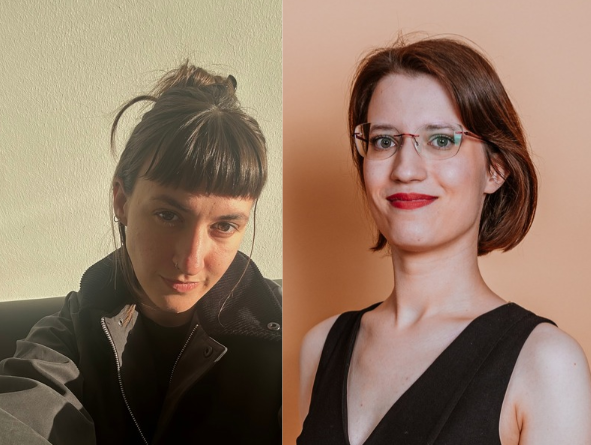
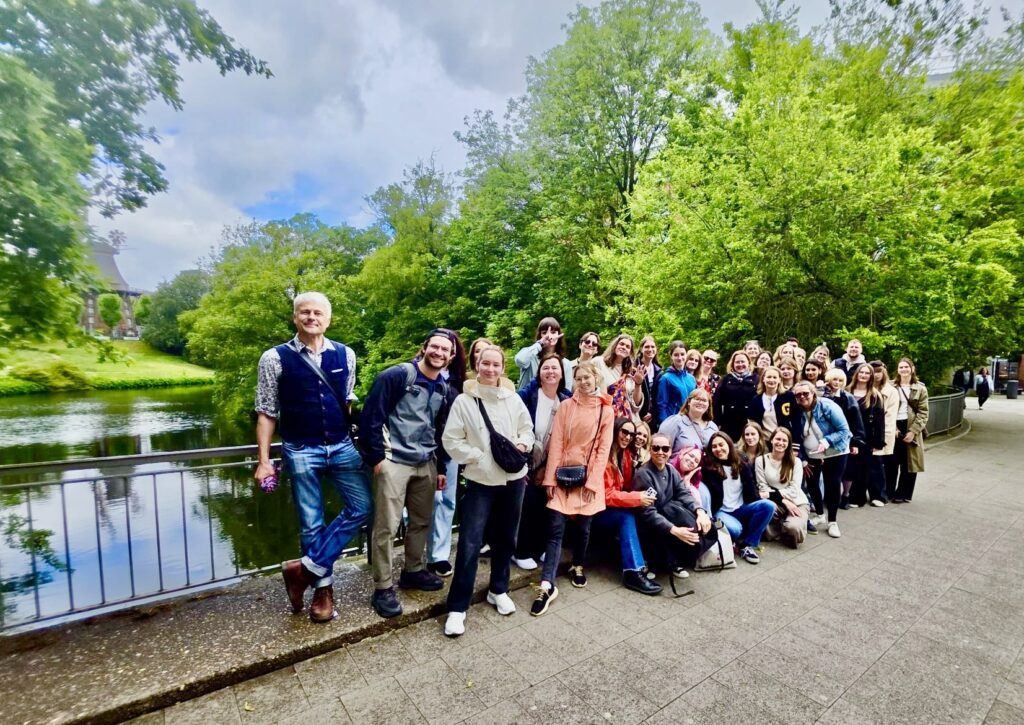
At the end of the summer semester 2026, we—Eva Grujić and Nejla Žunić, two musicology students at the mdw—took part in an Erasmus Blended Intensive Programme (BIP) titled “Aspects of 20th/21st Century Repertoire for Harpsichord and Other Historical Keyboard Instruments” at the Hochschule für Musik Karlsruhe. Under the supervision of mdw faculty Elisabeth Reisinger, we participated as musicologists alongside a group of harpsichord students from the mdw and mdw faculty Sonja Leipold. The BIP brought together outstanding harpsichord students and their teachers from eight European music universities: Hochschule für Musik Karlsruhe, mdw, Liszt Ferenc Zeneművészeti Egyetem Budapest, Real Conservatorio Superior de Música de Madrid, Conservatorium van Amsterdam, Kunstuniversität Graz, Karol Szymanowski Academy of Music in Katowice, and Uniwersytet Muzyczny Fryderyka Chopina Warsaw.
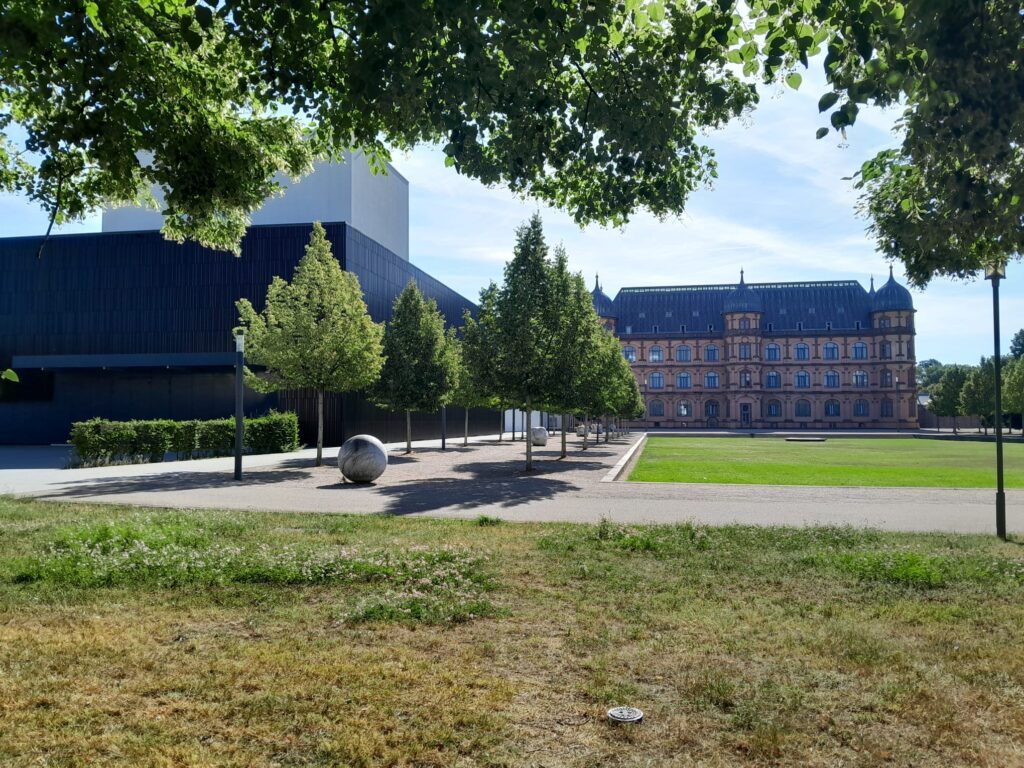
Photo credit: Kristian Nyquist
It was a very unique and rewarding experience to explore the harpsichord and other historical keyboard instruments in the context of twentieth and twenty-first century music, especially by participating as a musicologist and observing the connections and differences between the examination of both the theoretical and practical aspects of musical interpretation.
As part of the programme, we gave the opening presentation entitled “New Music for the Harpsichord since 1900 – An Overview.” We presented a brief historical overview of the harpsichord repertoire in the twentieth and twenty-first centuries, focusing both on its revival as a concert, chamber, and orchestral instrument and on the development of its repertoire from a compositional perspective. As musicology representatives of the Department of Musicology and Performance Studies at the mdw, we were delighted to contribute a musicological perspective to this interdisciplinary programme.
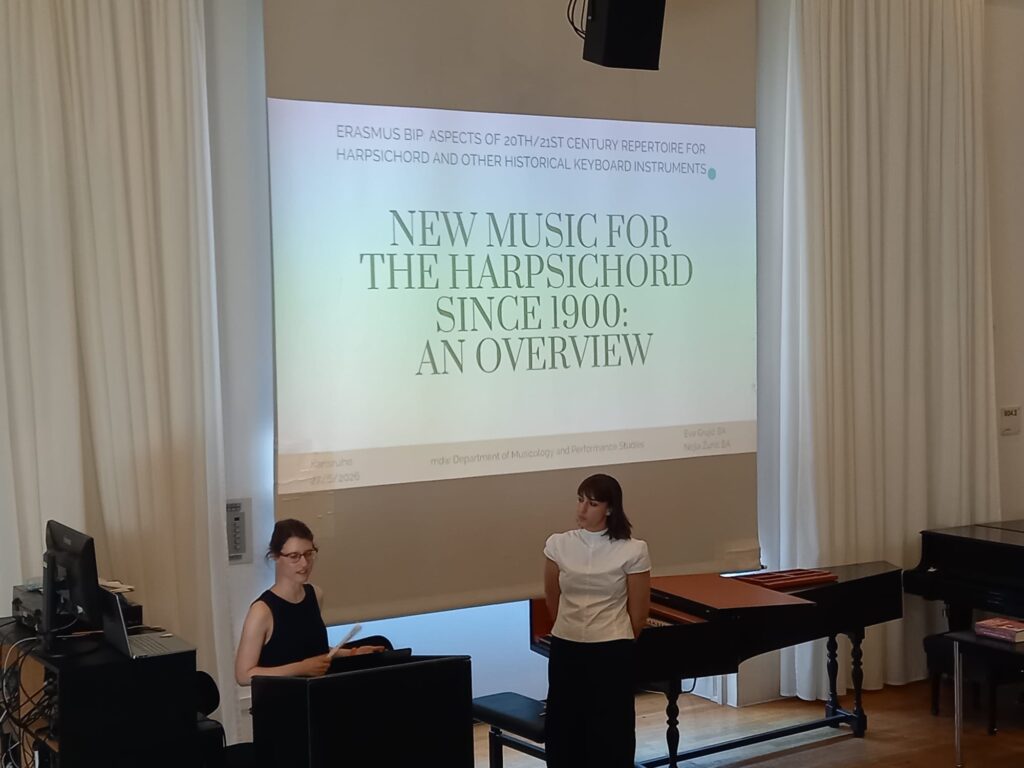
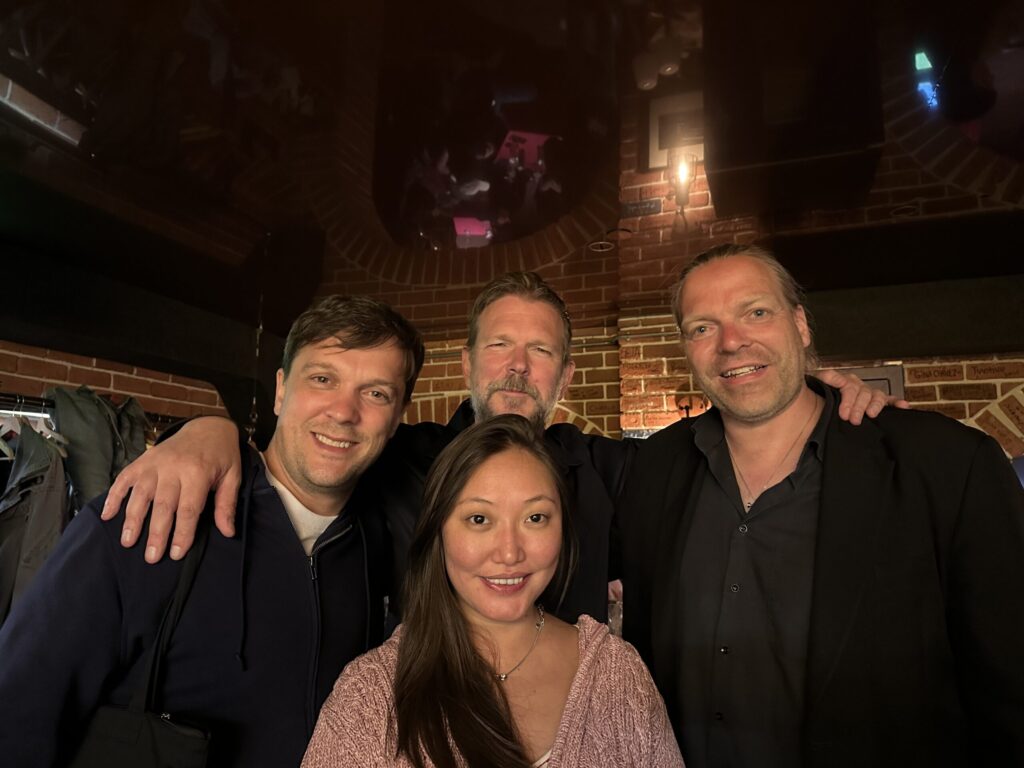
Photo credit: Elisabeth Reisinger
As an introduction, we presented a brief overview of the harpsichord as a revived instrument in the twentieth and twenty-first centuries after it had been largely overlooked for roughly a century. We compared the most common models of the instrument, introduced some of its most prominent performers, and concluded with an overview of notable repertoire examples ranging from compositions for solo harpsichord to works featuring the instrument in chamber and orchestral settings. Coming from the perspective of a music theorist and musicologist, where I, Nejla, spend most of my time analysing music, as well as theorising and writing about it, and being the only student who does not play a historical keyboard instrument, I can say that this was a particularly refreshing experience for me. It allowed me to explore new compositions and gain knowledge in an area I had not engaged with before. Although the field of historical keyboard instruments is not the main focus of my research, I am highly interested in recontextualisation as a compositional and analytically intriguing process. Therefore, the opportunity to research composers, new compositions, and, more broadly, the role of a historical instrument in a new context was highly significant for my current research interests.
Alongside our presentation, we attended lectures and presentations by distinguished professors from institutions in Amsterdam, Budapest, Graz, Karlsruhe, Katowice, Madrid, and Warsaw. Being immersed in this international academic environment fostered both our professional and personal development.
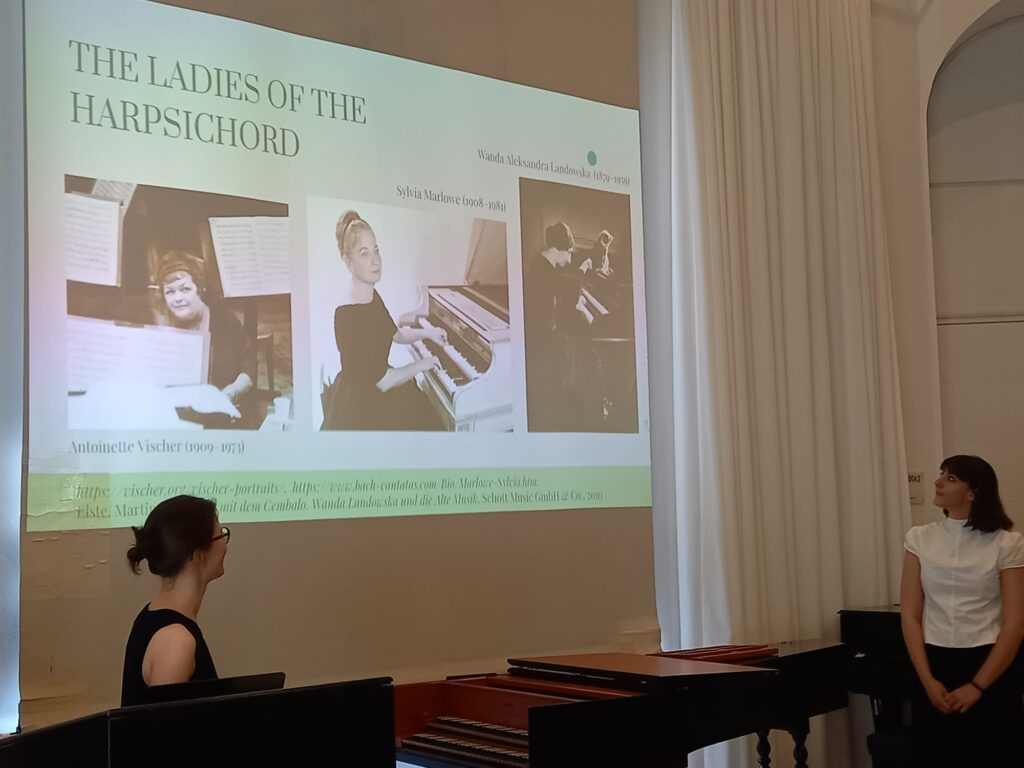
Uniting theory and performance
As I, Eva, also play the harpsichord, I had the pleasure of participating in both the musicological and the artistic part of the BIP. I am very grateful for the opportunity to present myself as both a harpsichord player and a musicologist, and to have connected with musicians from different universities. During our time in Karlsruhe, I was able to broaden my musical horizons, as I primarily focus on early music repertoire.
The numerous lectures provided an opportunity to learn about different contemporary composers and their harpsichord pieces, as well as input on how to perform this kind of music expressively. In one of her lectures, for example, Gośka Isphording (Conservatorium van Amsterdam) provided valuable insights into the differences and similarities in the approach to playing contemporary music compared with early music.
Two highlights of the programme were the “Harpsichord Marathon” and the final concert. Similar to our lecture, the “Harpsichord Marathon” provided a kind of overview of contemporary harpsichord works. Each participant played pieces that they were preparing prior to or during the programme in Karlsruhe. In a relaxed and enthusiastic atmosphere, the students were able to showcase what we have been working on and also have a final rehearsal before the upcoming final concert.
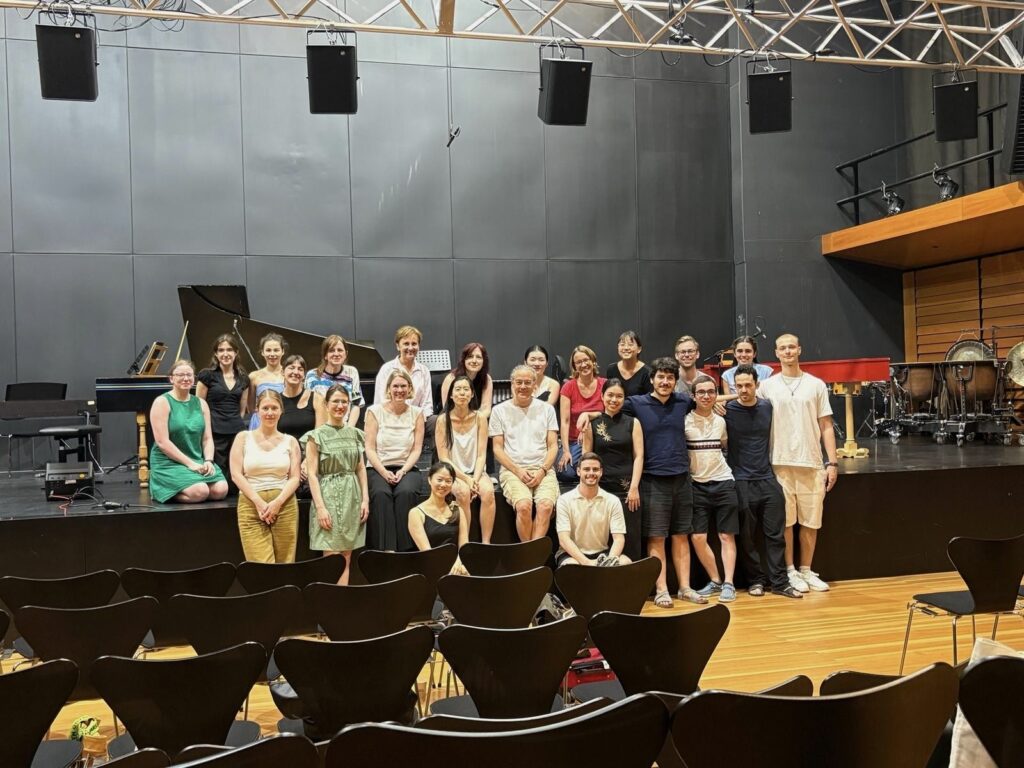
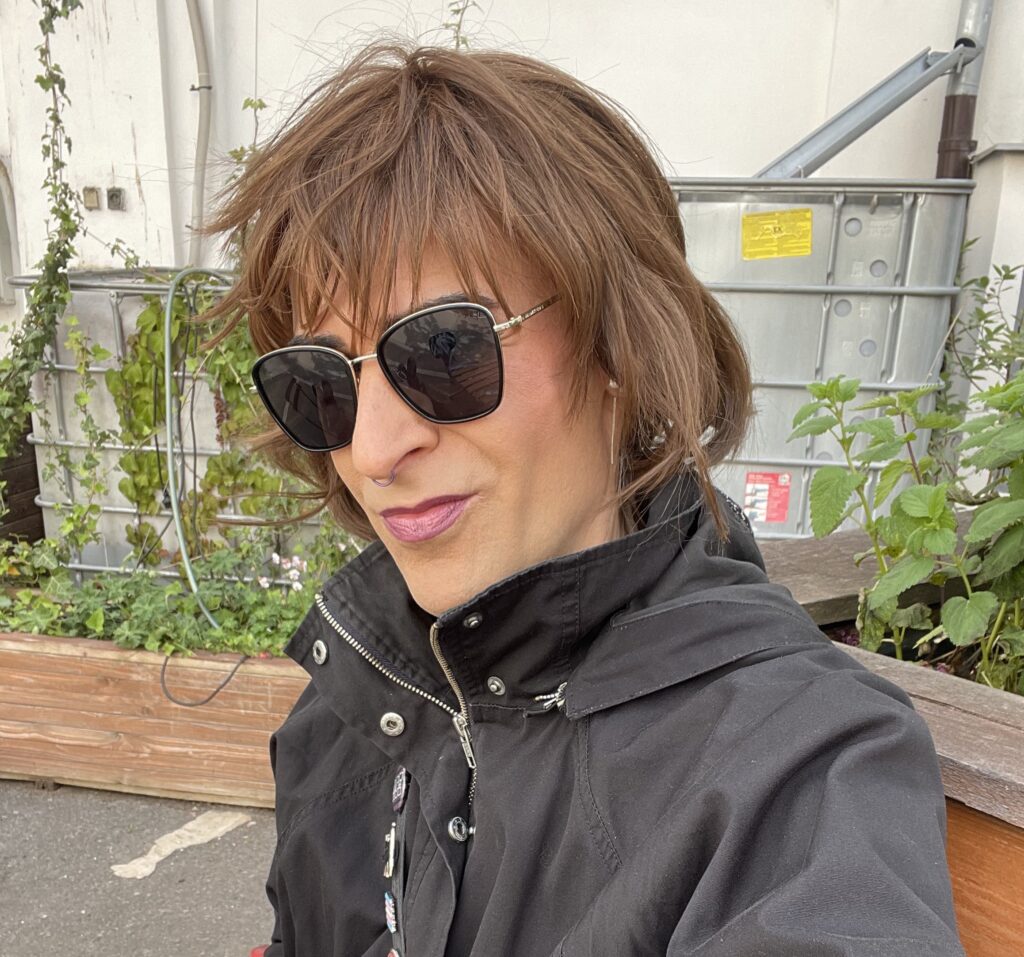
Photo credit: Silvia Márquez Chulilla
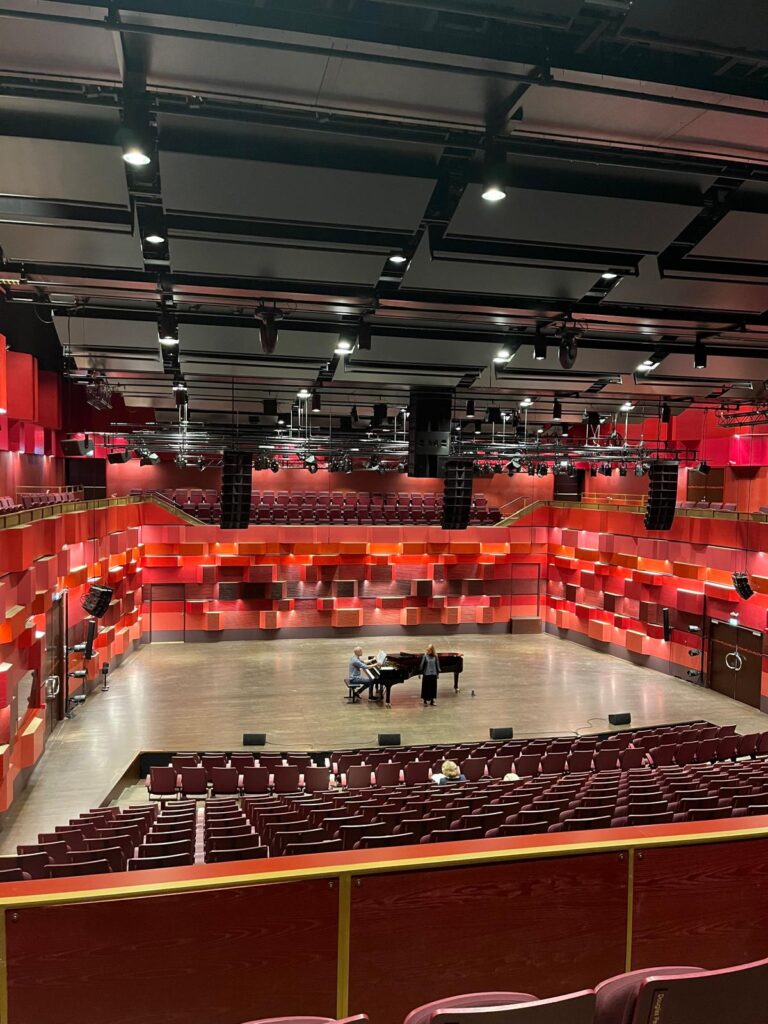
The final concert took place on Wednesday, 1 July, in the concert hall of the Wolfgang Rihm Forum. Many of the course participants performed a variety of pieces for both harpsichord solo and chamber music ensembles, some of which incorporated electronics. Alongside three fellow mdw students and two students from the Real Conservatorio Superior de Música de Madrid, I performed Earle Brown’s Nine Rarebits, originally for one or two harpsichords. Supervised by our teachers Sonja Leipold (Vienna) and Silvia Márquez Chulilla (Madrid), we developed a version of the piece for six players and four harpsichords. It was a wonderful opportunity to gain insight into preparation for a concert, as well as to learn from both eminent professors and colleagues from different European universities.
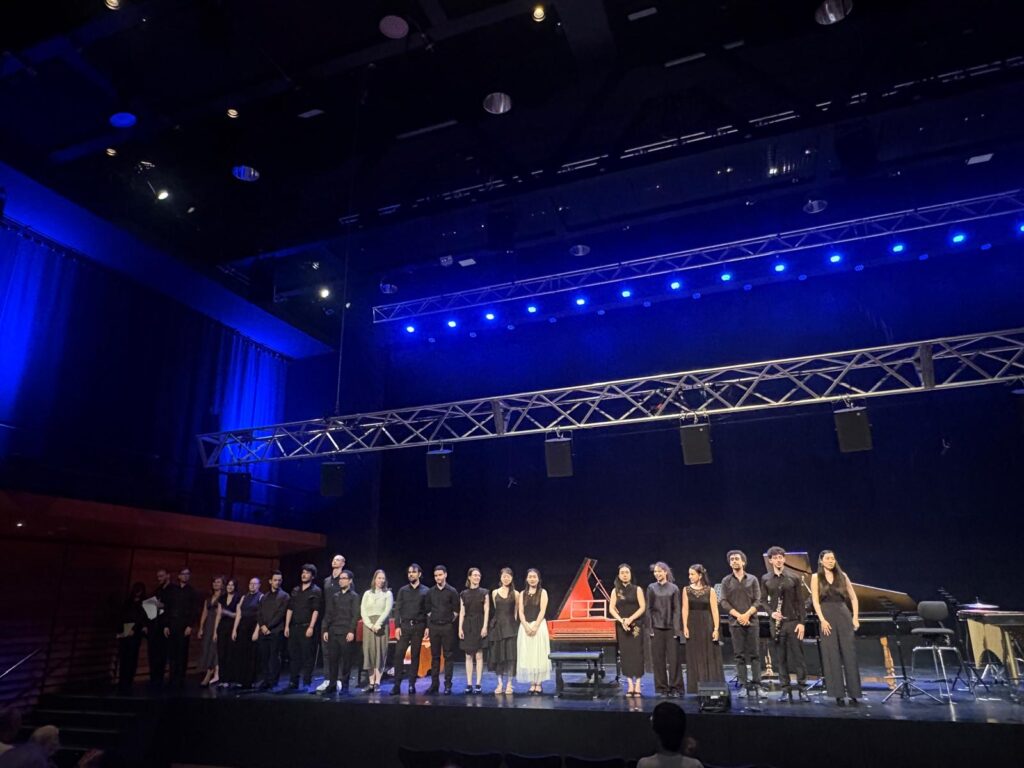
Photo credit: Silvia Márquez Chulilla