
WORKSHOP | Accents Oubliés | Elizabeth DOBBIN
6.-7. März 2026
French 17th– and 18th-century treatises on ornaments and embellishments prove that accented notes were at the time an essential part of a singer’s toolkit for expression. Whereas these treatises provide indications on usage of such accents, printed, engraved and manuscript sources either omit any indications for ornamentation, or else provide differing indications, thereby creating parallel sets of instructions. Given that the teaching of early music practices is based on a careful reading of theoretical sources, the inconsistency between theory and the written traces of accents in scores deserves closer study.
Through a comparative analysis of the positioning and frequency of the accent in keeping with the guidelines in treatises and practical exercises with singers and continuo players, this project allows students to understand better this rarely employed form of ornamentation and to integrate it into their musical vocabulary to enhance expression.
Although the repertory studied includes both published scores and manuscripts, the initial body of works examined will be selected pieces from Ballard’s Recueils d’airs sérieux et à boire, a series published monthly for almost 30 years (1695-1724) and a major source for documenting the changes in taste and practice. In light of the proven stylistic connections between the air sérieux and the genre of French tragédie lyrique, this project aims to demonstrate the pervasive presence of the accent in a wide array of vocal genres, thereby helping us gain fresh insight into the too rarely studied history of vocal music during the period between Lully and Rameau.
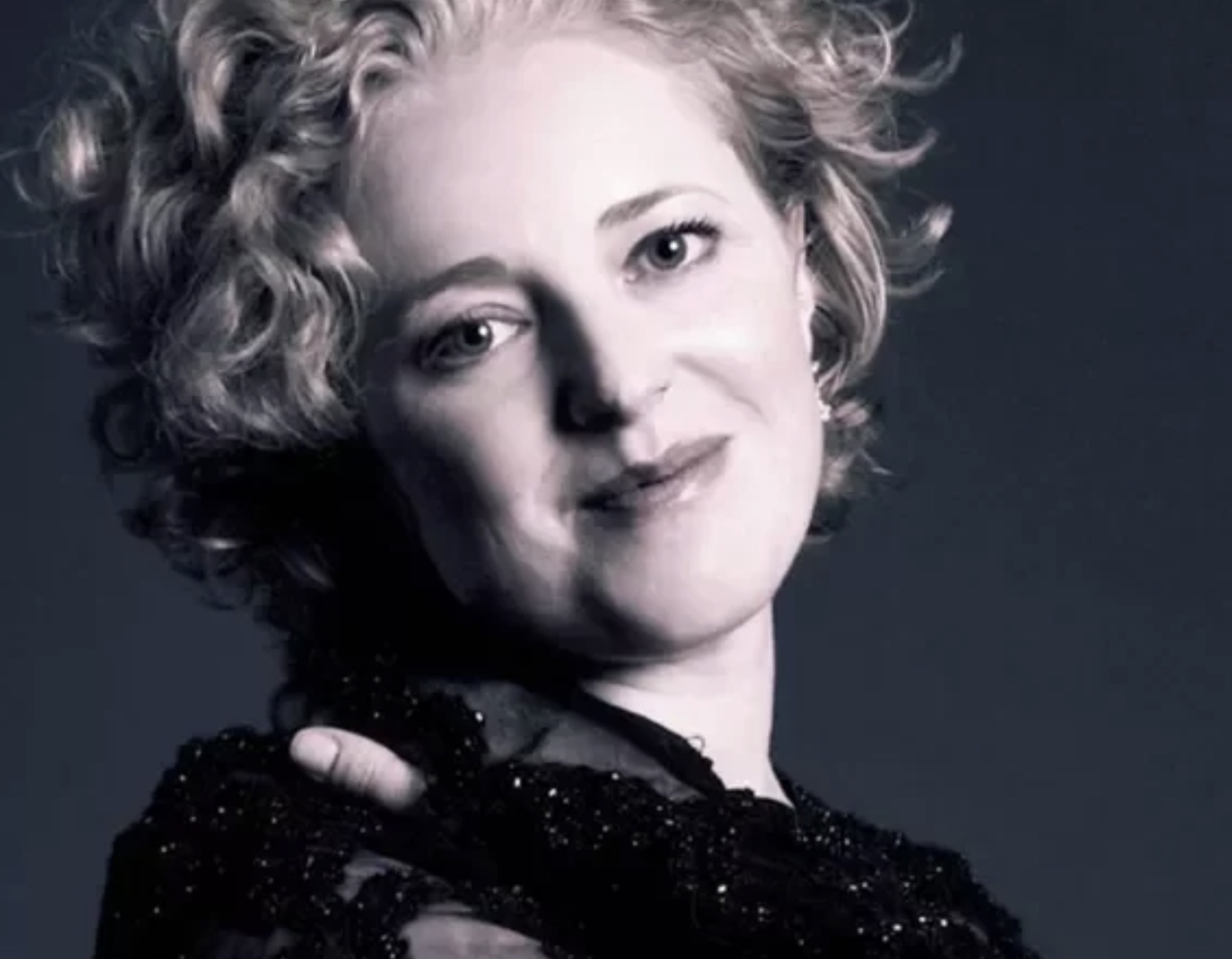
Die Sopranistin, Dozentin und Forscherin Elizabeth Dobbin begann ihre musikalische Ausbildung schon in jungen Jahren am Klavier. Ein Jurastudium und ein Studium der Geisteswissenschaften mit Schwerpunkt auf französischer und englischer Literatur an der University of Sydney schloss sie mit Auszeichnung ab. Ebenfalls mit Auszeichnung erlangte sie ein Klavier-Diplom. Ihre Begeisterung für die Musik des 17. und 18. Jahrhunderts veranlasste sie zu weiterführenden Studien der Ausführungspraxis der barocken und der klassischen Musik am Königlichen Konservatorium in Den Haag (Niederlande). Dort nahm sie Unterricht bei Michael Chance, Jill Feldman und Peter Kooij, besuchte Meisterkurse bei Emma Kirkby, Christophe Rousset sowie Paul Agnew und schloss 2008 ihr Master-Studium ab.
Sie war Gründungsmitglied des Ensembles Le Jardin Secret, mit dem sie beim Wettbewerb „York Early Music International Young Artist Competition“ 2007 den ersten Preis und den Publikumspreis gewann. Die zwei CDs des Ensembles – erschienen beim Label Coro – wurden von der Kritik sofort in höchsten Tönen gelobt, erhielten eine Fünfsterne-Kritik im renommierten „Goldberg Early Music Magazine“ und wurden zur »Editor’s Choice« in der Zeitschrift „Early Music Today“.
Elizabeth Dobbin war häufig als Solistin in klassischen Oratorien sowie als Kammermusikerin zu erleben. Bisherige Auftritte führten sie zum London Händel-Festival, zum York Early Music Festival, zum Festival van Vlaanderen, zum MA Festival in Brügge, zum Festival Oude Muziek Utrecht, zum FestivaI Itinéraire Baroque, zum Festival de Musique Baroque d’Ambronay und zum Festival Resonanzen in Wien. Sie wirkte in zahlreichen Rundfunkübertragungen mit. Zu ihrer Diskographie gehören Aufnahmen für die Labels Coro, Alpha, Pentatone Classics, Aliud Records sowie für den ORF.
Sie promovierte in angewandter Forschung an der Universität Leiden und am Orpheus-Institut Gent mit einer Dissertation über die verschiedenen Modalitäten und Stile des Gesangs in Paris Ende des 17. Jahrhunderts. Sie interessiert sich für alle Aspekte des historischen Gesangs und der Stimme und ist aktiv an Forschungsprojekten beteiligt, die sich mit der Verwendung des Vibrato in der Musik des 19. Jahrhunderts, mit Ausdrucks- und Gesangspraktiken in Venedig und mit der Verbindung zwischen Deklamation und Stimme in der französischen dramatischen Musik zu Beginn des 18. Jahrhunderts beschäftigen.
Meisterklassen und Seminare führten Elizabeth Dobbin bisher in weite Teile Europas, wo sie auch regelmäßig auf Konferenzen über ihre Forschung spricht. Sie lebt in Genf, wo sie als Leiterin der Abteilung für Alte Musik an der Haute école de musique de Genève tätig ist.
Termine (Archiv)
Veranstaltungen
-
-
VORTRAG | Accents oubliés #1 | Elizabeth DOBBIN
Studio Alte Musik Seilerstätte 8, Wien, Austria -
WORKSHOP | Accents oubliés | Elizabeth DOBBIN
Studio Alte Musik Seilerstätte 8, Wien, Austria -
VORTRAG | Accents oubliés #2 | Elizabeth DOBBIN
Studio Alte Musik Seilerstätte 8, Wien, Austria -
WORKSHOP | Accents oubliés | Elizabeth DOBBIN
Studio Alte Musik Seilerstätte 8, Wien, Austria

