
SYMPOSIUM | Partimento – Realizing its Potential
12.-15.11. 2024
Symposium: Lectures & Lecture-recitals, Workshops
Festsaal, Seilerstätte 26, 1010 Vienna
Programme booklet available for download
The symposium ‘Partimento – Realising its Potential’ attracted a large audience both from within the institution and internationally. Eighteen contributions (papers, lecture recitals) by leading figures such as Robert Gjerdingen, Peter van Tour, John Mortensen and Giorgio Sanguinetti, as well as young specialists, were enthusiastically received by the Festsaal, which was consistently filled to capacity, and by many online participants. Twelve masterclasses were held in the mornings for students from Institutes 4, 8, 16 and 25, as well as some guests. In the evenings, the partimenti they had worked on were presented as part of ‘Harvest Time’.
During numerous discussions and the concluding round-table session, it was concluded that the concept of partimento playing and partimento courses could be incorporated more fully into standard curricula. The potential of working with partimento ranges from basic music education through applied music theory and improvisation to composition, and naturally has a clear musicological component.
Keynote speakers: Robert Gjerdingen, John Mortensen, Peter van Tour
Speakers: Giovanna Barbati, Dirk Boerner, Robert de Bree, Jean-Christophe Dijoux, Fabio Antonio Falcone, Matteo Messori, Karin Nelson, Nicoleta Paraschivescu, Niels Pfeffer, Giorgio Sanguinetti, Markus Schwenkreis.
Lightning papers: Catherine Bahn, Deborah Longenecker, Mario Trilha, Nicola Canzano, Sean Curtice, Marco Pollaci
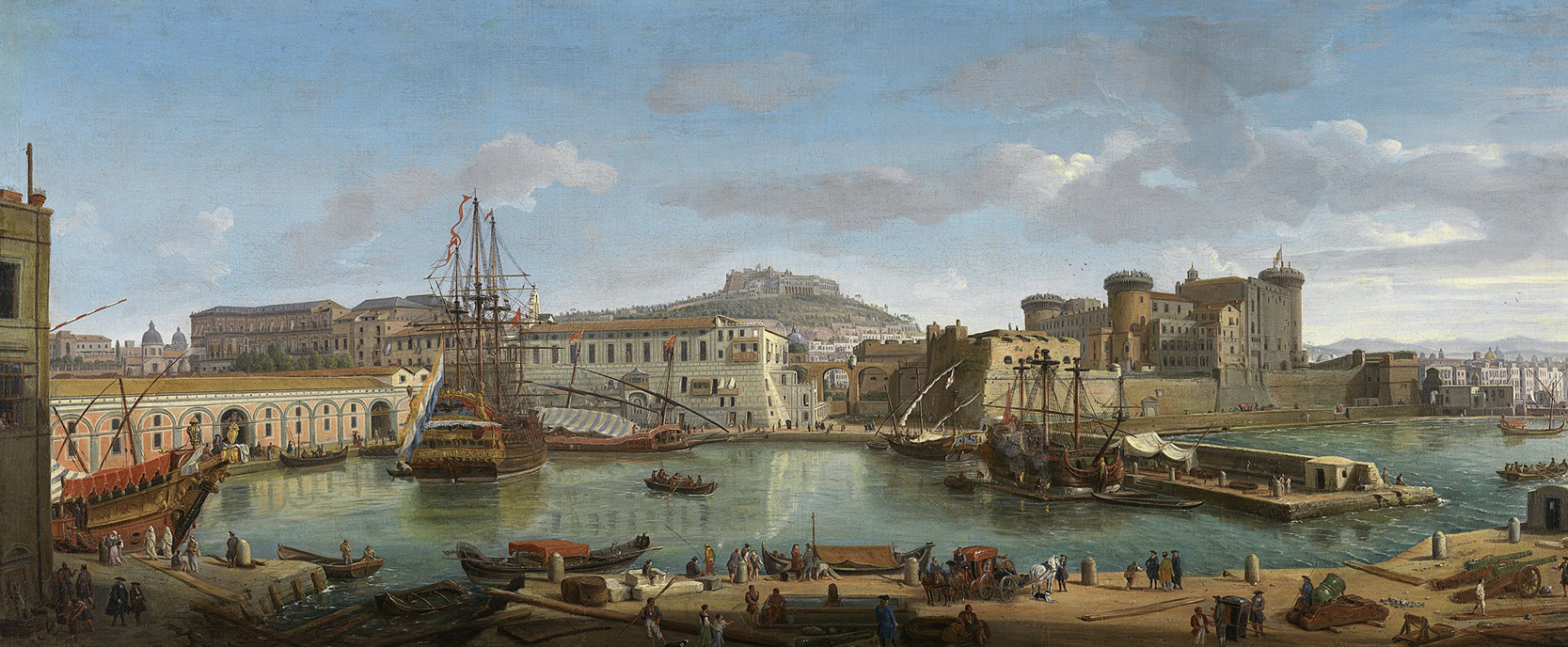
Over the past ten years, the subject of ‘partimento’ has attracted widespread interest in both teaching practice and research. Numerous international events are held at renowned institutions. The practice of partimento reached its peak in Naples in the mid-18th century. Through partimento (in conjunction with solfeggio and counterpoint), musicians acquired a high level of proficiency in singing, instrumental performance, basso continuo, improvisation and also composition during their training. The aim is to explore an approach to music – or a pedagogical methodology – in which typical models of voice leading, harmony, form and motivic development are practised. Even at the elementary level, this work with models is highly relevant and is already being successfully practised by pioneers in the field. Owing to the wealth of source material, research today is engaging with the subject in a variety of ways.
Organisation:
Magdalena Hasibeder, Augusta Campagne, Erich Traxler, Iason Marmaras, Dimitri Bondarenko and Sobin Jo.

