
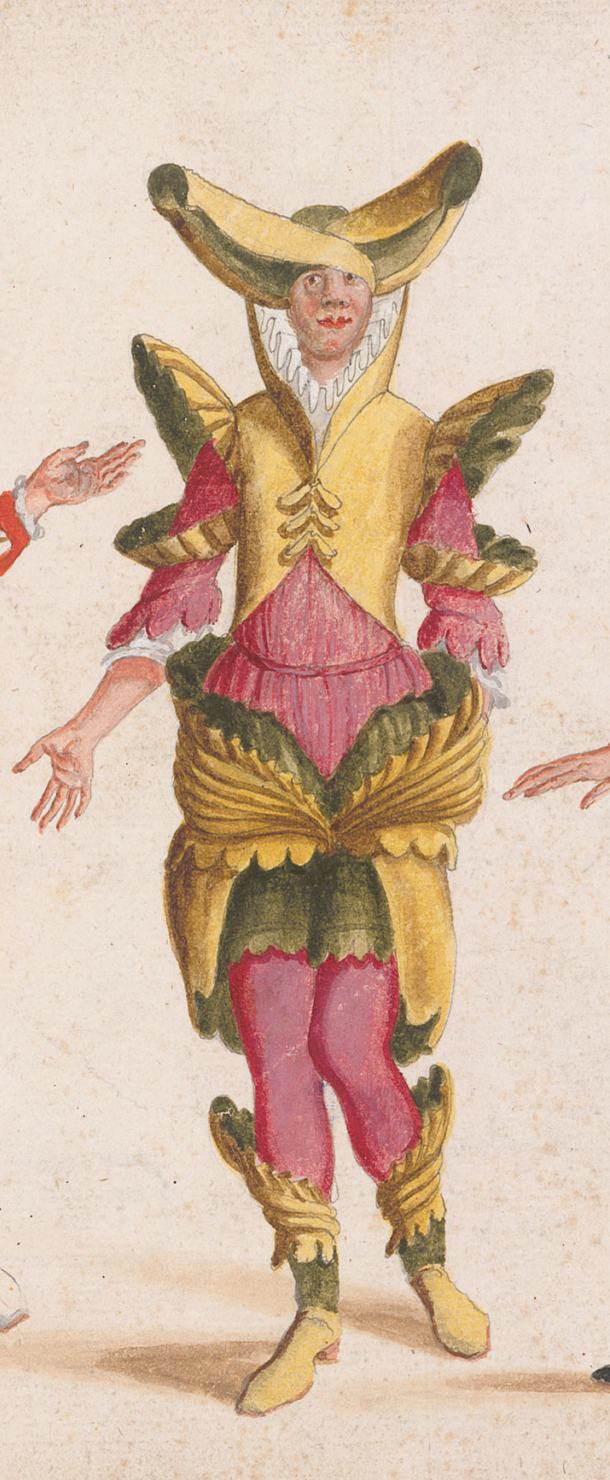
SYMPOSIUM Antonio Draghi
10.-14. November 2026
Workshop
Il Teatro delle Passioni Humane
Stéphane Fuget, Harpsichord/Continuo
Roberta Invernizzi, Singing
Sigrid T’Hooft, Historical Gesture
| Wed 11.11. | 9:30-13:00 | Div. locations in the Seilerstätte, Wien 1010 | Workshop Gesang / Gestik / Cembalo |
| Thu 12.11. | 9:30-13:00 | Div. locations in the Seilerstätte, Wien 1010 | Workshop Gesang / Gestik / Cembalo |
| Fri 13.11. | 9:30-13:00 | Div. locations in the Seilerstätte, Wien 1010 | Workshop Gesang / Gestik / Cembalo |
| Sat 14.11. | 11:00 | Fanny-Hensel-Saal, mdw Campus, Wien 1030 | Final presentation |
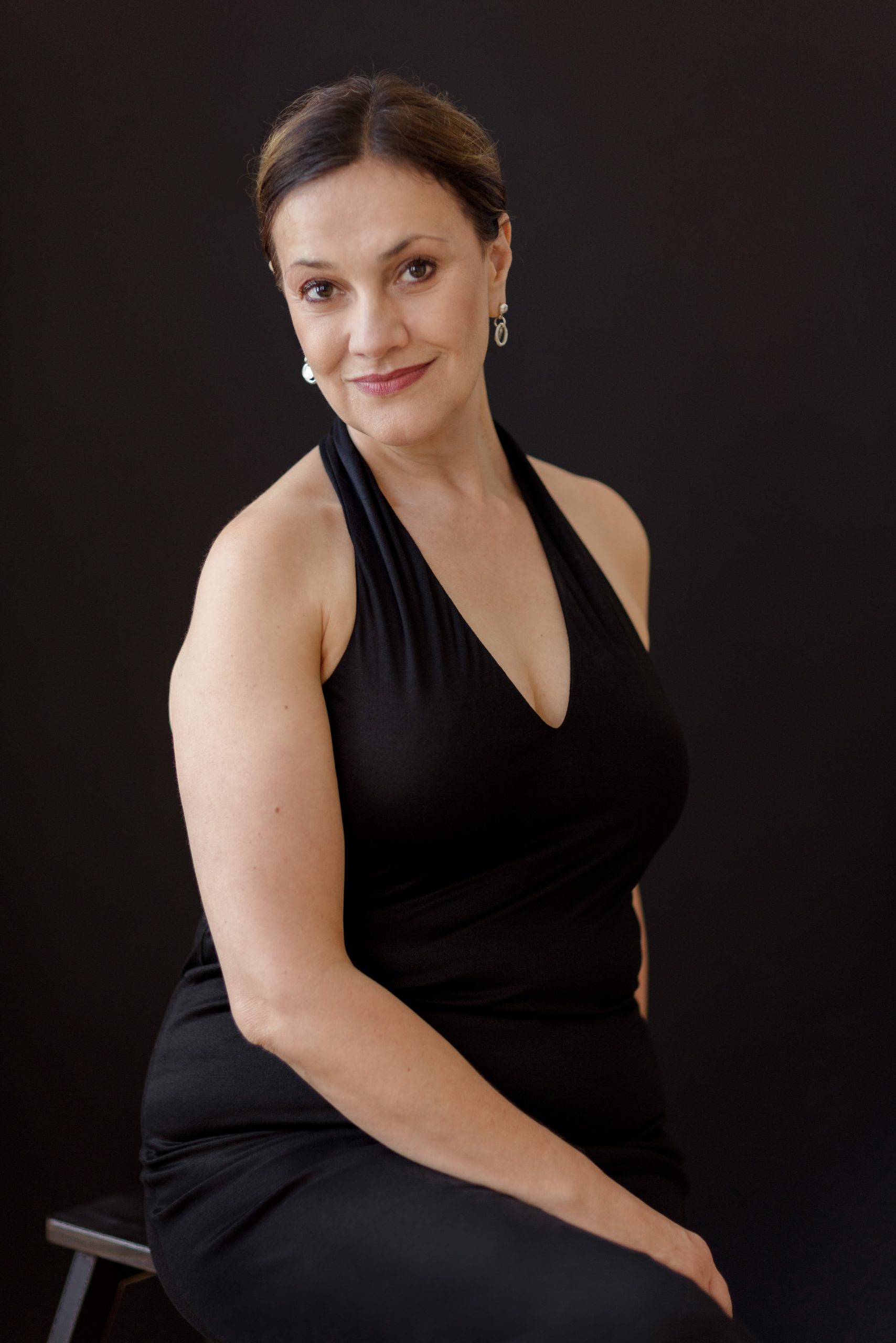
Roberta Invernizzi
Roberta Invernizzi was born in Milan and began her career as a pianist and double bassist before studying singing under the guidance of Margaret Heyward. She is one of the most sought-after soloists in the Baroque and Classical repertoire.
Roberta, a great performer of Handel’s works, appeared as Mary Magdalene in *La Resurrezione* at the Vienna Musikverein. She has also appeared as Medea in *Teseo* in Karlsruhe; Oriana in *Amadigi* at the Handel Festival in Halle and the Opéra Royal de Versailles; Cleopatra in *Giulio Cesare* with the Orchestra of the Age of Enlightenment; Flavia in *Silla* at the Théâtre des Champs-Élysées and the Vienna Konzerthaus; Emirena in *Adriano in Siria* in Madrid and Valencia under Fabio Biondi; Nerone in *Agrippina* at the Teatro Real in Madrid; and Armida in *Rinaldo*, conducted by Ottavio Dantone and directed by Pier Luigi Pizzi at La Scala.
She sang the leading roles in *Dido and Aeneas* at the Teatro Filarmonico in Verona and at the Teatro Regio in Turin; Scarlatti’s *La Santissima Trinità*; Vivaldi’s *Ercole sul Termodonte* at the Théâtre des Champs-Élysées in Paris; Cavalli’s *Statira* at the Teatro San Carlo in Naples; Galuppi’s *Olimpiade* at La Fenice; Monteverdi’s *L’Orfeo* at La Scala with Rinaldo Alessandrini in a production by Robert Wilson, and in Turin conducted by Antonio Florio; *Il Ritorno di Ulisse in Patria* at the Elbphilharmonie in Hamburg with Europa Galante and Fabio Biondi.
Roberta performs regularly at the Salzburg Festival: the title role in Hasse’s *Sant’Elena al Calvario* with Biondi, Handel’s *Aci, Galatea and Polifemo* with Antonini, *Il Trionfo del Tempo e del Disinganno* with Haselböck, Jommelli’s *Isacco*, Mozart’s Mass in C minor with Dudamel and the Orphanage Mass with Abbado. She has also performed Baroque concerts with Il Giardino Armonico at the Mozarteum, the Mass in C minor and *Davide Penitente* at the Vienna Musikverein, and at the Styriarte Festival in Graz with Harnoncourt.
She returned twice to the Teatro alla Scala to perform Pergolesi’s *Stabat Mater* with the Filarmonica under the baton of Ottavio Dantone and the prestigious Christmas concert conducted by Giovanni Antonini. At the Innsbruck Festival of Early Music, she appeared as Giunone in Hasse’s *Semele* with Claudio Osele.
Roberta Invernizzi is highly regarded in Vienna. Nikolaus Harnoncourt therefore engaged her for a performance of Mozart’s arrangement of Handel’s *Alexander’s Feast*, which was staged as part of the celebrations marking the 200th anniversary of the Musikverein concert hall. As part of the 20th-anniversary celebrations of the Resonanzen Festival at the Konzerthaus in Vienna, she also gave a concert entitled ‘Roberta Invernizzi and Friends’ .
Sie hat mit Dirigenten wie Ivor Bolton, Giovanni Antonini, Nikolaus Harnoncourt, Claudio Abbado, Ton Koopman, Gustav Leonhardt, Frans Brüggen, Jordi Savall, Alan Curtis, Fabio Biondi, Antonio Florio, Rinaldo Alessandrini und Ottavio Dantone zusammengearbeitet und mit Orchestern gespielt darunter Concentus Musicus Wien, Orchestra Mozart, Accademia Bizantina, Il Giardino Armonico, Cappella della Pietà de ‘Turchini, Concerto Italiano, Europa Galante, Ensemble Matheus, das Barockorchester Venedig und I Barocchisti.
Roberta hat mehr als 100 Aufnahmen gemacht – Sony, Deutsche Grammophon, EMI / Virgin, Naive, Glossa, Opus 111 -, viele davon Weltpremieren, die mit dem Diapason d’Or, dem Choc du Monde de la Musique, dem Gramophone Award, Goldberg’s Five Stars und dem Preis der deutschen Schallplattenkritik ausgezeichnet wurden.
Sie hat auch den MIDEM Classical Award und den renommierten Stanley Sadie Handel Recording Prize für ihre Solo-CD mit Händel-Werken gewonnen. Ihr Album „Dolcissimo sospiro“ wurde 2007 mit dem MIDEM Classical Award und dem Stanley Sadie Handel Recording Prize ausgezeichnet und ihre CDs mit Händels italienischen Kantaten erhielten 2010 den Stanley Sadie Handel Recording Prize.
Her most recent and forthcoming engagements include the role of Flavia in Handel’s *Silla* at the George Enescu Festival in Bucharest and in Asia under Fabio Biondi; Ipomene in Alessandro Melani’s *Empio punito*, conducted by Carlo Ipata and directed by Jacopo Spirei at the Teatro Verdi in Pisa; San Giovanni in Scarlatti’s *Vergine addolorata* at the Baroque Festival of the Berlin State Opera; Giunone in Hasse’s *Semele* at the Theater an der Wien, in Verona and in Rheinsberg under the baton of Claudio Osele.
She teaches Baroque and Renaissance singing at the L. Cherubini Conservatoire in Florence (Italy) and at the Music and Arts University of the City of Vienna.
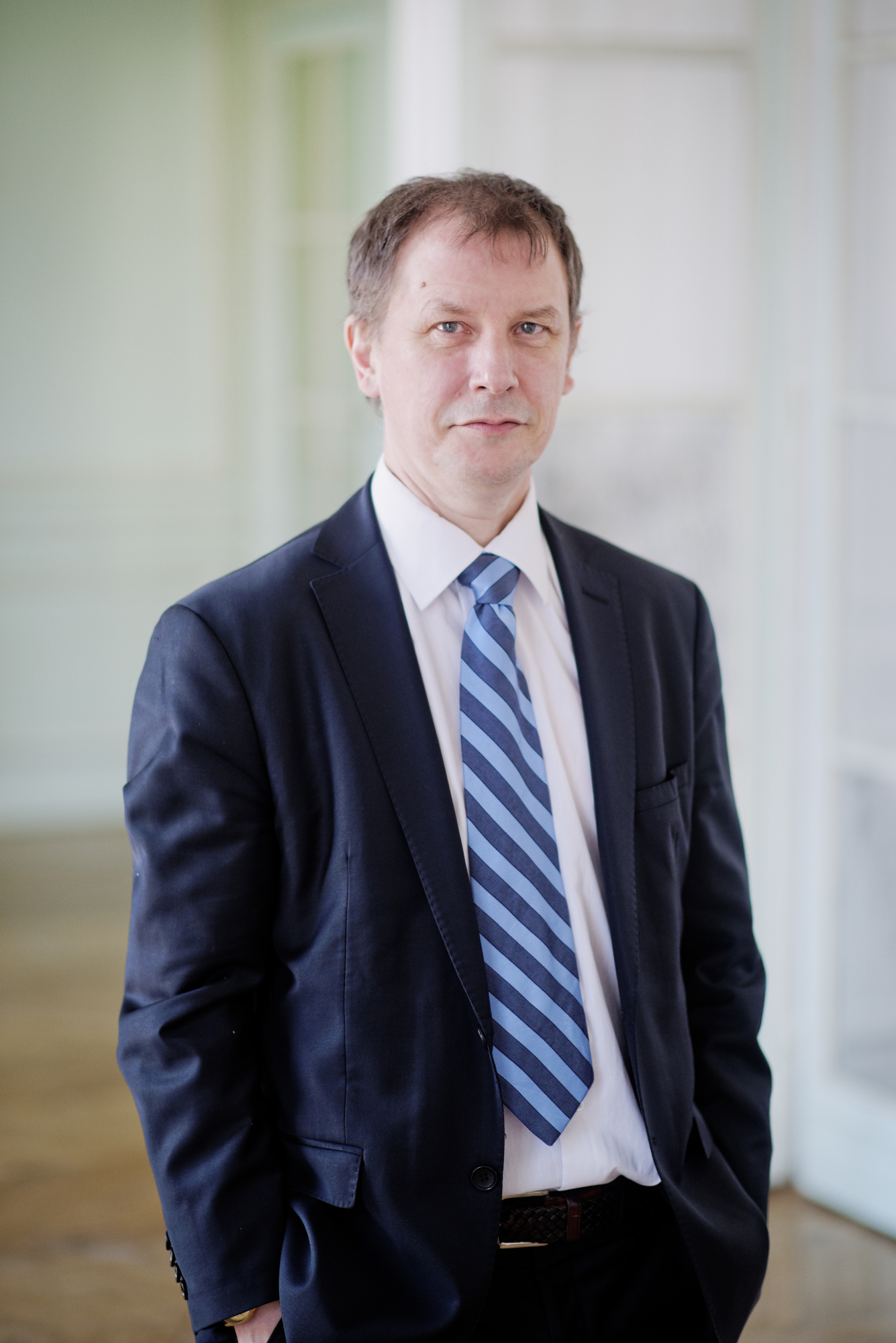
Stéphane Fuget
Stéphane Fuget is a harpsichordist, pianist and conductor.
He studied piano with Catherine Collard and Jean-Claude Pennetier, harpsichord with Christophe Rousset and Pierre Hantaï.
He was awarded a first prize for harpsichord and continuo at the Paris CNSM. He is a graduate of the Royal Conservatory of The Hague, and laureate of the 2001 International Harpsichord Competition in Bruges.
Stéphane Fuget spent his early professional years devoted to his career as a vocal coach in the world’s greatest opera houses. Alongside conductors such as Christophe Rousset, Jean-Christophe Spinosi and Marc Minkovski, he worked on the greatest international stages: Staatsoper and Theater an der Wien (Vienna), DNO (Amsterdam), Liceu (Barcelona), La Monnaie (Brussels), Leipzig Opera, Royal Theatre of Drottningholm (Sweden), Lotte Concert Hall (Seoul), Palais Garnier, Opéra Bastille, Châtelet, Théâtre des Champs-Elysées (Paris), Capitole (Toulouse), Strasbourg Opera, Bordeaux, Rennes, Lille, Nancy, Montpellier, etc. Over the years this led to close ties with some of the world’s most prestigious artists: Anne-Sophie von Otter, Jennifer Larmore, Véronique Gens, Sandrine Piau, Gaële Arquez, Marie-Nicole Lemieux, Kurt Streit, Julian Prégardien, Jeremy Ovenden, Nathan Berg, Max Emanuel Cencic, Philippe Jaroussky…
Sophie Von Otter requested his presence as a specialist of French Baroque music for a production of Charpentier’s Médée at Frankfurt Opera.
At the same time, he developed his career as a guest conductor. In this capacity he directed Emmanuelle Haïm’s Le Concert d’Astrée at Lille Opera, The Magic Flute with Opelescences ensemble, Rameau’s Les Paladins with the Joy Ballet Orchestra in Tokyo, Couperin’s Leçons de Ténèbres with Versailles Opera Royal orchestra…
Inspired by his desire to work with young artists, he developed and transformed the vocal coaching and baroque opera classes at the CRR conservatoire in Paris, the only classes of their kind in France. In this way he was able to hone and develop his vision of baroque declamation and ornamentation in several productions: The Coronation of Poppea and Ulysses by Monteverdi, Semele and Rodelinda by Handel, La Calisto by Cavalli, Titus by Cesti, Psyché by Lully, Orfeo by Rossi, Le Jugement de Midas by Gretry, Euridice by Peri and the European revival of Ariane et Bacchus by Marais….
After many years researching repertoire and treatises, Stéphane Fuget, ever inquisitive and convinced that a new era of historical interpretation was dawning, decided to create his own ensemble, Les Epopées. He and his company offer a decidedly new vision of baroque interpretation.
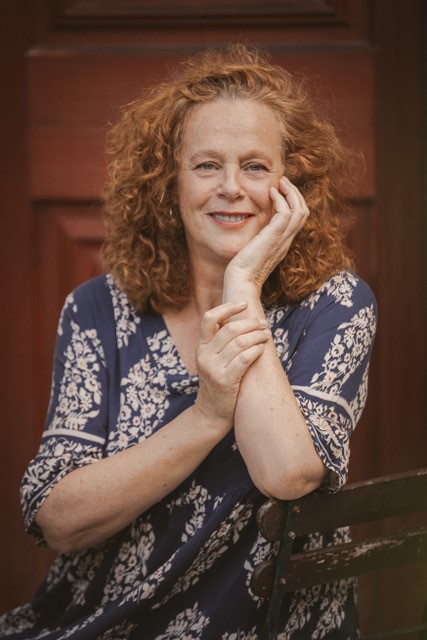
Sigrid T’Hooft
Ever since Sigrid T’Hooft directed and choreographed Handel’s Radamisto at the Badisches Staatstheater Karlsruhe in 2009, she has been regarded as a leading authority on the understanding of historical theatrical language – be it opera, drama or dance – on the fascinating ways in which this style can be successfully and compellingly applied on the contemporary stage, and how this art can enrich the vocal and dance artistry of today’s young generation of performers.
She grew up in the thriving Flemish early music community in Ghent and was a keen ballet dancer and musician.
After studying musicology at the University of Leuven, she worked as an editor for classical music at the Flemish radio station Klara, whilst at the same time making a name for herself as a dancer, choreographer and opera director specialising in period performance practice.
T’Hooft’s directing and choreography credits include productions at the Goethe Theatre in Bad Lauchstädt (Germany), the Drottningholm Palace Theatre (Sweden), the Perm Opera House (Russia), the Trondelag Theatre in Trondheim and the National Theatre in Oslo (Norway), as well as at festivals in Halle, Göttingen and Innsbruck; and for the past 15 years she has been working closely with the Baroque ensemble of the Budapest Festival Orchestra. She has directed over 30 operas – many of which feature historical dance – curated numerous ‘mise-en-geste’ concerts and staged a wide range of educational projects at music academies across Europe.
Ms T’Hooft is the founder and artistic director of the Corpo Barocco Dance Company in Belgium. Her most recent major choreographic works include the expanded ballets for Broschi’s opera Merope, set to music by Leclair and Rasetti, and the choreography for Monteverdi’s La Favola d’Orfeo, including the new composition by Ivan Fischer based on Striggio’s original finale for the Bacchantes.
She is an experienced researcher and speaker at international conferences and has taught historical dance and historical drama since the 90ies throughout Europe, including in the early music departments of the conservatoires in Leipzig, Brussels and The Hague, and at the Schola Cantorum Basiliensis.
She currently teaches gesture at the Conservatoire Royal de Bruxelles and also works as a musicologist on the Ton Koopman Collection as part of the Resounding Libraries Cluster Project at the Orpheus Institute in Ghent.
In 2026, she staged Graupner’s La Costanza, Telemann’s Pimpinone and dramatic cantatas by Jommelli and Pergolesi.